

Antislip Floor Paints

Pay in 3 interest-free payments on purchases from £20-£3000 with  . Learn more.
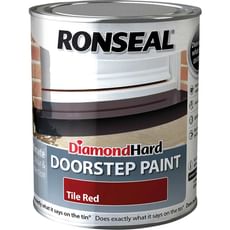
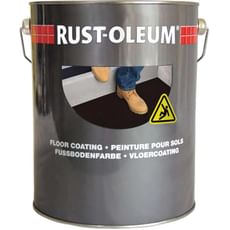
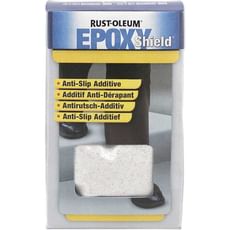
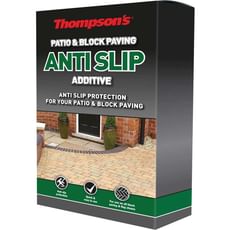
 Loading...
End of content
Error - No more pages to load
About Antislip Floor Paints
Antislip floor paints are specially formulated coatings designed to significantly improve traction and reduce the risk of slips and falls on a wide range of surfaces. These hard-wearing paints combine durable pigments with textured additives that create a grippy surface, making them essential for areas prone to moisture, spillages, or heavy foot traffic. Whether you're treating outdoor steps, garage floors, warehouse areas, or commercial walkways, antislip paints provide both protection and safety in one application. The textured finish not only enhances safety but also helps to hide minor surface imperfections, making them ideal for renovating tired or damaged floors.
Available in ready-mixed formulations or as separate additives that can be mixed with standard floor paints, antislip floor coatings offer flexibility for different projects and budgets. Tooled-Up.com stocks leading brands like Ronseal and Rust-Oleum, which have developed advanced formulations that withstand the demands of both domestic and commercial environments. These products resist wear from foot traffic, vehicle movement, and harsh weather conditions whilst typically featuring quick-drying properties and excellent adhesion to concrete, wood, metal, and masonry surfaces.
Modern antislip floor paints deliver long-lasting protection whilst maintaining their grip properties over time. They're suitable for indoor and outdoor applications, with many formulations offering additional benefits such as oil resistance, chemical resistance, and UV protection. Products like Ronseal Diamond Hard Door Step Paint provide ultra-tough protection without requiring primers, whilst separate additives such as Rust-Oleum Anti Slip Paint Additive allow you to customise the level of slip resistance for your specific needs.
Jargon Buster
- Slip Resistance Rating: A measurement (typically R9-R13 or PTV values) that indicates how much grip a surface provides. Higher ratings offer greater slip resistance, with ratings above R10 suitable for wet or greasy environments.
- Aggregate Additive: Fine textured particles such as silica, aluminium oxide, or rubber granules that are mixed into paint to create a rough, grippy surface. Can be purchased separately to add to existing floor paint.
- PTV (Pendulum Test Value): A UK standard measurement of slip resistance where a rubber slider simulates a footstep. A PTV of 36+ is considered low slip risk according to HSE guidelines.
- Substrate Preparation: The process of cleaning, degreasing, and sometimes etching or priming a surface before paint application to ensure proper adhesion and longevity.
- Coverage Rate: The area (typically measured in square metres per litre) that a paint will cover at the recommended film thickness. Textured antislip paints generally have lower coverage rates than standard paints.
- Recoat Time: The minimum period you must wait between applying multiple coats. Critical for antislip paints as premature recoating can affect the texture and grip properties.
Who Uses Antislip Floor Paints?
- General Builders and Maintenance Contractors - for site safety improvements and building regulation compliance
- Facilities Managers - maintaining safety standards in commercial premises, warehouses, and public buildings
- Painters and Decorators - applying specialist coatings as part of refurbishment projects
- Property Landlords and Letting Agents - ensuring rental properties meet safety requirements
- Factory and Warehouse Managers - creating safer working environments in industrial settings
- Leisure and Hospitality Sector - treating areas around swimming pools, changing rooms, and restaurant kitchens
- Schools and Healthcare Facilities - reducing slip hazards in corridors, ramps, and outdoor areas
- Marine and Boating Enthusiasts - treating decks, pontoons, and walkways in wet environments
- DIY Homeowners - improving safety on steps, patios, garage floors, and driveways
How to Choose the Right Antislip Floor Paints
Interior or Exterior Use: Determine where the paint will be applied. Exterior formulations contain UV inhibitors and weatherproofing additives, whilst interior products may focus more on chemical or oil resistance. Products like Ronseal Diamond Hard are specifically designed for high-traffic outdoor areas like door steps.
Surface Type: Different paints adhere better to specific substrates. Concrete and masonry surfaces generally accept most antislip paints well, but wooden decking or metal surfaces may require specialist primers or formulations. Always check manufacturer recommendations for substrate compatibility.
Traffic Level: Consider the amount and type of use the surface will receive. Light domestic foot traffic requires less aggressive formulations than commercial or industrial environments where forklift trucks or heavy trolleys operate. Commercial-grade products like Rust-Oleum Anti Slip Floor Paint offer enhanced durability.
Environmental Conditions: Assess exposure to water, oils, chemicals, or temperature extremes. Kitchen areas need grease-resistant formulations, whilst outdoor ramps require frost and UV resistance. Some environments may need products meeting specific COSHH or food safety standards.
Level of Slip Resistance Required: Match the product to the risk level. Gently sloping areas need moderate texture, whilst steep ramps or constantly wet areas require maximum grip. Consider whether a ready-textured paint or separate additive like Ronseal Anti-Slip Additive offers better control over the final finish.
Colour and Aesthetics: Whilst safety is paramount, appearance matters too. Most ranges available from Tooled-Up offer neutral colours, but some provide visibility-enhancing options like yellow for hazard areas or contrasting colours for step edges to improve definition.
Popular Accessories
- Paint Rollers and Extension Poles - medium to long pile rollers work best for applying textured coatings evenly
- Floor Cleaning Solutions and Degreasers - essential for proper substrate preparation before application
- Masking Tape and Dust Sheets - protecting adjacent areas from overspray and splashes
- Paint Mixing Paddles - thoroughly combining additives and pigments before application
- Wire Brushes and Floor Scrapers - removing loose material and preparing surfaces
- Primers and Sealers - improving adhesion on difficult substrates or porous surfaces
- Measuring Containers - accurate mixing ratios when adding separate aggregate additives
- Safety Barriers and Hazard Tape - cordoning off wet painted areas during drying
- Additional Aggregate Additives - adjusting slip resistance levels to specific requirements
Safety Information
Always wear appropriate PPE when applying antislip floor paints, including gloves, safety glasses, and respirators in poorly ventilated areas. Many formulations contain solvents or chemicals that require adequate ventilation during application and drying. Consult product-specific safety data sheets for COSHH assessment requirements, particularly in commercial settings.
Ensure proper surface preparation to prevent paint delamination, which could create a greater slip hazard than the original surface. Follow HSE guidance on providing adequate slip resistance for the specific environment - the HSE recommends a minimum PTV of 36 for pedestrian areas. When painting stairs or ramps, work from top to bottom and ensure alternative access routes are available during drying times.
Store products according to manufacturer instructions, away from heat sources and out of reach of children. Dispose of empty containers and cleaning materials responsibly in accordance with local authority guidelines. Never pour excess paint down drains, as many formulations contain materials harmful to aquatic environments.
Frequently Asked Questions
How long does antislip floor paint take to dry?
Drying times vary by product and environmental conditions, but most antislip floor paints are touch-dry within 2-4 hours and ready for light foot traffic within 6-8 hours. Full cure and maximum durability typically develop over 7 days. Temperature and humidity significantly affect drying times - avoid application in temperatures below 10°C or when rain is forecast within 24 hours for exterior work.
Can I add antislip additives to any paint?
Whilst separate additives like Rust-Oleum Anti Slip Paint Additive can be mixed with many paint types, they work best with floor paints specifically formulated for heavy wear. Adding texture to standard wall paint won't provide the durability needed for floor surfaces. Always follow the additive manufacturer's mixing ratios - typically 100-150g per litre - for optimal results.
How do I maintain antislip painted surfaces?
Regular sweeping or vacuuming removes debris that can reduce effectiveness. Periodically clean with mild detergent and water, using a stiff brush to prevent dirt accumulation in the textured surface. Avoid using wax or polish, which will reduce slip resistance. Expect to recoat high-traffic areas every 2-3 years, though quality products on properly prepared surfaces can last considerably longer.
Will antislip paint work on existing painted floors?
Yes, but surface preparation is critical. Existing paint must be sound, thoroughly cleaned, and lightly abraded to provide a key for the new coating. Glossy surfaces should be sanded or treated with a liquid degreaser. Flaking or peeling paint must be completely removed. A test patch in an inconspicuous area helps confirm adhesion before treating the entire surface.
Is antislip paint suitable for wooden decking?
Absolutely. Products like Ronseal Patio and Block formulations work excellently on timber decking, providing enhanced grip on surfaces that become dangerously slippery when wet. Ensure the wood is clean, dry, and free from previous treatments that might prevent adhesion. Decking may require more frequent recoating than concrete or masonry due to wood movement and weathering.