

Basin Wrenches

Pay in 3 interest-free payments on purchases from £20-£3000 with  . Learn more.
 Loading...
End of content
Error - No more pages to load
About Basin Wrenches
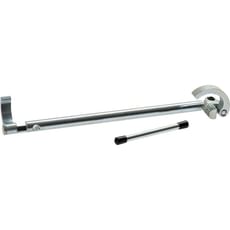
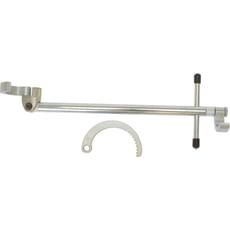
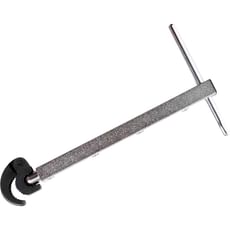
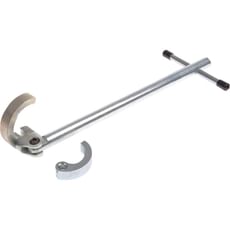
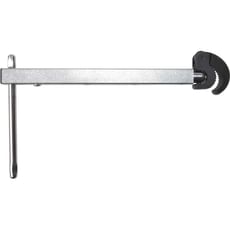
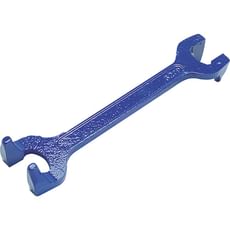
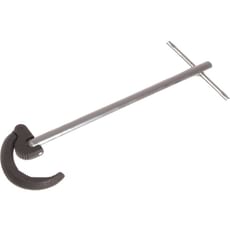
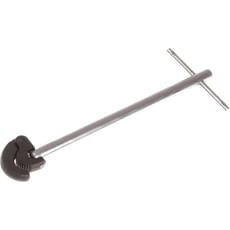
Basin wrenches are indispensable plumbing tools specifically engineered to solve one of the most frustrating challenges in tap installation and maintenance: accessing the cramped, awkward spaces beneath basins and sinks. These specialised tools feature elongated shafts with pivoting jaw mechanisms at one end, designed to reach and turn the back nuts that secure taps to basin surfaces. Where conventional spanners and adjustable wrenches simply cannot reach, a basin wrench provides the access and leverage needed to tighten or loosen fixings in confined under-sink areas. Whether you're fitting a new bathroom suite, replacing leaking tap assemblies, or undertaking emergency plumbing repairs, a quality basin wrench transforms a potentially difficult job into a straightforward task.
Tooled-Up.com stocks basin wrenches from respected manufacturers including Monument, Faithfull, Draper, Bahco, and Ridgid, offering solutions for both professional tradespeople and DIY enthusiasts. Available configurations range from standard fixed-length designs to telescopic models that extend your reach for deeper installations, with some innovative variants incorporating LED work lights for improved visibility in dark cupboard spaces. Most basin wrenches accommodate nut sizes from 10mm to 32mm, covering the vast majority of domestic and light commercial tap fittings, whilst adjustable and self-adjusting jaw mechanisms eliminate guesswork when working with varied fitting sizes.
Modern basin wrenches have evolved considerably from their basic predecessors, now incorporating features such as cushioned grips for extended comfort, spring-loaded self-adjusting jaws for automatic sizing, ratcheting handles for faster operation, and corrosion-resistant chrome plating for longevity in damp working environments. Professional plumbers carrying out multiple installations daily and homeowners tackling occasional bathroom renovations alike benefit from investing in a proper basin wrench, which saves considerable time, reduces frustration, and prevents damage to expensive tap fittings that can occur when using makeshift alternatives.
Jargon Buster
- Telescopic Basin Wrench
- A basin wrench with an extendable shaft that adjusts to different lengths, typically extending from approximately 250mm to 600mm or more. This versatility allows access to deeply recessed fittings in commercial installations or where basins cannot be easily removed, whilst collapsing for compact storage in toolboxes.
- Self-Adjusting Jaws
- Spring-loaded mechanisms that automatically grip nuts of varying sizes without manual adjustment. This feature considerably speeds up work when dealing with mixed tap fitting sizes on the same job, eliminating the need to stop and adjust jaw capacity between different fittings.
- Back Nut
- The securing nut located on the underside of a basin or sink that fastens the tap assembly to the surface. These are typically difficult to access without a basin wrench due to their position pressed against the basin underside and surrounded by supply pipework and waste connections.
- Pivoting Head
- The distinctive feature of basin wrenches where the jaw assembly rotates or pivots on the shaft end, allowing the tool to flip between tightening and loosening positions and to work around obstructions in confined spaces. This pivoting action is essential for accessing nuts from awkward angles.
- T-Bar Handle
- A cross-piece handle at the opposite end of the shaft from the jaws, providing leverage and control when turning the wrench. Some professional models feature rotating T-bars that allow continuous movement without repositioning your grip, significantly speeding up installations and removals.
- Jaw Capacity
- The range of nut sizes that the wrench can accommodate, typically expressed in millimetres. Standard basin wrenches usually handle 10mm to 32mm, covering most domestic tap installations, with specialist models available for larger commercial fittings.
Who Uses Basin Wrenches?
- Professional Plumbers: Daily use for tap installations, replacements, and repairs across domestic and commercial properties
- Heating Engineers: Installing combination taps and mixer units as part of bathroom and kitchen refurbishments
- Bathroom Fitters: Essential equipment for complete bathroom installations and renovations
- Property Maintenance Teams: Carrying out repairs and upgrades in rental properties, council housing, and commercial buildings
- Kitchen Fitters: Installing and replacing kitchen taps and mixer units during kitchen renovations
- Plumbing Apprentices: Learning proper techniques for tap installation and removal as part of their training
- DIY Enthusiasts: Homeowners undertaking bathroom or kitchen upgrades without professional assistance
- General Builders: Requiring versatile tools for varied residential and light commercial work
- Facilities Managers: Maintaining plumbing systems in schools, offices, hospitals, and public buildings
- Caravan and Motorhome Owners: Maintaining compact tap installations in recreational vehicles
How to Choose the Right Basin Wrenches
Fixed-Length or Telescopic Design: Consider whether a standard fixed-length or telescopic model suits your requirements. Telescopic basin wrenches from brands like Bahco and Monument offer maximum versatility, extending to reach deeply recessed fittings whilst retracting for compact storage in toolboxes or van racking. For occasional DIY use, a standard fixed-length wrench may suffice, but professional plumbers benefit from the adaptability of telescopic designs when working across varied installations.
Jaw Capacity and Adjustment Mechanism: Verify the minimum and maximum nut sizes the wrench accommodates. Most domestic taps use 27mm or 32mm back nuts, but mixer taps, commercial installations, and imported fittings may vary. Self-adjusting jaws eliminate the need to measure before use and speed up work considerably, whilst manually adjustable jaws often provide a more secure grip on stubborn or corroded fittings.
Handle Design and Ergonomics: The handle significantly affects usability during prolonged work beneath basins. T-bar handles provide excellent leverage for loosening seized nuts, whilst cushioned or rubberised grips reduce hand fatigue during extended installations. Some professional models feature ratcheting mechanisms that allow continuous rotation without repositioning, considerably speeding up installations and reducing wrist strain.
Build Quality and Materials: Professional-grade basin wrenches from manufacturers like Ridgid, Monument, and Bahco feature hardened steel jaws and robust shafts that withstand daily use without bending or breaking. Chrome-plated finishes resist corrosion in damp working environments beneath sinks. Budget models may suffice for occasional DIY projects, but investing in quality tools ensures longevity for professional applications where tool failure costs time and reputation.
Enhanced Features: Consider whether additional features justify extra cost. LED work lights, as found on the Ridgid telescopic model, dramatically improve visibility in dark under-sink cupboards, reducing eye strain and speeding up work. Quick-release jaw mechanisms speed up nut size changes, whilst articulating heads provide better access around obstructions such as waste pipes and supply connections.
Storage and Portability: If you're managing limited van space or working from a mobile toolkit, compact storage capability becomes important. Telescopic models collapse to roughly half their extended length, fitting more easily into toolboxes. The Tooled-Up range includes models compatible with popular storage systems from Stanley FatMax, DeWalt TSTAK, and Milwaukee PACKOUT for organised tool transportation.
Popular Accessories
- Adjustable Spanners: For general plumbing work and accessing more exposed nuts and fittings
- Tap Reseating Tools: Complementary equipment for comprehensive tap maintenance and repair
- PTFE Tape: Essential for sealing threaded connections during tap installations
- Flexible Tap Connectors: Simplify connections between taps and supply pipework, reducing installation time
- Silicone Sealant: For weatherproofing around basin edges and tap bases
- Basin Installation Kits: Complete sets of fixings and connectors for new installations
- Inspection Torches: Illuminate cramped working spaces beneath basins and sinks
- Knee Pads: Protect joints during extended work in awkward positions beneath sinks
- Pipe Wrenches: For gripping and turning supply pipes during installations
- Penetrating Oil: Essential for loosening seized or corroded back nuts on older installations
- Tool Storage Solutions: Stanley FatMax, DeWalt TSTAK, or Milwaukee PACKOUT systems for organised tool transportation
Safety Information
Water Isolation: Always turn off the water supply at the isolation valves or stopcock before commencing any work on tap fittings. Open taps to relieve pressure and drain remaining water from the system. Keep towels and a bucket handy to manage any residual water when disconnecting supply pipes. Failure to isolate water supplies properly can result in flooding and water damage.
Working Position and Ergonomics: Basin wrench work often requires awkward postures beneath sinks, which can strain your back, neck, and shoulders. Take regular breaks, use knee pads for comfort, and ensure adequate lighting to avoid eye strain. Consider using a cushioned mat or board to lie on when working beneath low basins. The HSE recommends avoiding sustained awkward postures wherever possible.
Tool Condition: Inspect your basin wrench before each use, checking for worn jaws, loose pivoting mechanisms, or damaged handles. Worn jaws may slip under load, potentially causing injury or damaging expensive tap fittings. Replace or repair tools showing signs of excessive wear rather than risk failure during use.
Proper Grip Technique: Ensure the wrench jaws are fully engaged on the back nut before applying force. Apply steady, controlled pressure rather than sudden jerks, which can cause the tool to slip and result in scraped knuckles against adjacent surfaces. When loosening corroded fittings, use penetrating oil and allow time for it to work rather than forcing seized components, which can shear tap tails or crack ceramic basins.
Sharp Edges and Confined Spaces: The confined spaces beneath basins often contain sharp pipe edges, rough surfaces, protruding fixings, and electrical cables. Wear appropriate work gloves to protect your hands, and feel carefully before reaching into blind spaces to avoid cuts and abrasions. Be aware of electrical installations such as electric shower cables or waste disposal units when working beneath sinks.
Over-Tightening: When installing new taps, be careful not to over-tighten back nuts. Excessive force can crack ceramic basins, damage tap threads, or distort soft copper tap tails. Hand-tight plus a quarter turn is usually sufficient for a secure, leak-free installation. If you encounter resistance, check that threads are properly aligned rather than forcing the connection.
Frequently Asked Questions
What's the difference between a standard and telescopic basin wrench?
Standard basin wrenches have a fixed-length shaft, typically around 250-300mm, suitable for most domestic installations with reasonable access. Telescopic models extend from approximately 250mm to 600mm or more, providing greater reach for deeply recessed fittings, commercial installations, or situations where the basin cannot be easily removed. Telescopic designs also collapse for more compact storage in toolboxes and van racking. Professional plumbers generally prefer telescopic models for their versatility across varied job types, whilst DIY users may find a standard fixed-length model adequate for occasional domestic use.
Can I use a basin wrench to both tighten and loosen tap nuts?
Yes, basin wrenches work in both directions. The pivoting head flips to change between tightening and loosening positions—simply rotate the head 180 degrees to switch direction. When installing new taps, position the jaws appropriately and turn the handle clockwise to tighten. Be careful not to over-tighten, as excessive force can crack ceramic basins or damage tap threads. Hand-tight plus a quarter turn is usually sufficient for a secure, leak-free installation that won't damage the basin or fitting.
Why won't my basin wrench grip the nut properly?
Several factors can prevent proper grip: the nut size may be outside your wrench's capacity range, the jaws may be worn and need replacement, or the wrench may not be positioned at the correct angle to engage fully. Ensure you're using an appropriate size wrench for your fitting—most domestic taps use 27mm or 32mm nuts. Clean any corrosion or debris from the nut surfaces, and check that self-adjusting jaws are moving freely without obstruction. If working with unusual tap fittings or imported taps, you may need a different size or style of wrench to match the fitting dimensions.
How do I deal with seized or corroded tap back nuts?
Corroded nuts are common on older installations, particularly in hard water areas. Apply penetrating oil liberally around the nut and threads, then allow at least 15-20 minutes for it to work—overnight is better for severely corroded fittings. Use a quality basin wrench with good jaw grip and apply steady, controlled pressure rather than sudden force which can shear the tap tail. If the nut won't budge, apply more penetrating oil and try again. Gentle tapping around the nut with a small hammer whilst applying penetrating oil can help break corrosion bonds. As a last resort, you may need to cut through the tap tail with a hacksaw, though this requires careful work to avoid damaging the basin.
Do I need different basin wrenches for different types of taps?
A single quality adjustable or self-adjusting basin wrench available from Tooled-Up will handle most domestic and light commercial tap installations, as the majority use standard-size back nuts between 10mm and 32mm. However, professional plumbers working across varied installations may benefit from having multiple wrenches: a compact model for tight spaces, a telescopic version for deep access, and perhaps a specialist tool for unusual commercial fittings or imported taps with non-standard dimensions. For DIY use, one good-quality adjustable model from Bahco, Monument, or Faithfull will cover most household requirements including basin taps, bath taps, and kitchen mixer installations.