
Belt & Wad Punches

Pay in 3 interest-free payments on purchases from £20-£3000 with  . Learn more.
Loading...
End of content
Error - No more pages to load
About Belt & Wad Punches
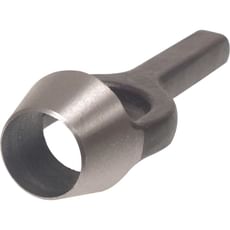
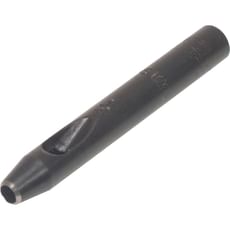
Belt and wad punches are specialist hand tools engineered to cut precise, clean holes through soft materials including leather, fabric, rubber, gasket material, card, and canvas. These hollow cylindrical punches feature a sharpened cutting edge that removes a circular disc—known as a "wad"—leaving a perfectly formed hole without tearing, distorting, or damaging the surrounding material. Unlike standard hole punches or drill bits, belt and wad punches are designed for heavy-duty applications and can handle significantly thicker materials whilst delivering consistent, professional results every time.
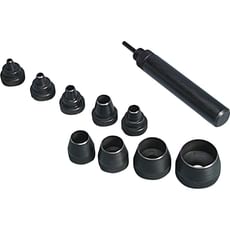
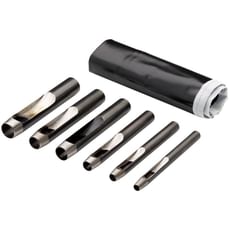
Available as individual punches or comprehensive sets, these tools come in both metric and imperial sizing to accommodate different project requirements and working preferences. Quality belt and wad punches from trusted brands like Maun, Priory, and Draper feature hardened and tempered carbon steel construction, ensuring long-lasting sharpness and exceptional durability even under demanding workshop conditions. They're typically struck with a hammer or mallet to drive the cutting edge through the material, making them ideal for bench work, on-site repairs, professional leatherworking applications, and custom gasket fabrication.
Sets available at Tooled-Up.com typically range from small 3mm punches up to larger 32mm sizes, providing versatility for everything from delicate craft work to heavy industrial applications. The hollow design allows you to work close to edges and seams where drill bits would struggle or wander, making these punches invaluable for repair work, bespoke fabrication, and situations requiring precision hole placement. Whether you're punching holes in belt leather, creating custom gaskets for machinery, or working with vinyl upholstery materials, having the correct diameter punch ensures clean, accurate results without the need for power tools.
Jargon Buster
- Wad Punch
- A hollow cylindrical cutting tool that removes a circular piece (wad) of material when struck with a hammer or mallet, creating a clean hole. The term "wad" refers to the disc of material that's punched out and ejected through the hollow centre.
- Belt Punch
- Similar to a wad punch but specifically designed for punching holes in leather belts, straps, and harness materials. Often features a cutting angle optimised for leather applications, though the terms are frequently used interchangeably.
- Hollow Punch
- Another term for wad punches, referring to the hollow tube design that allows the punched material to pass through rather than compress, ensuring clean cuts and preventing material distortion.
- Hardened and Tempered Steel
- Heat-treated carbon steel that's been hardened for durability and edge retention, then tempered to reduce brittleness. This process ensures the cutting edge stays sharp through repeated use whilst preventing cracking or chipping.
- Imperial vs Metric Sizing
- Imperial punches are sized in fractions of an inch (e.g., 1/4", 3/8", 1/2"), whilst metric punches use millimetre measurements (e.g., 5mm, 8mm, 13mm). Choose based on your usual measuring system and project requirements.
- Cutting Edge
- The sharpened circular rim at the business end of the punch that performs the actual cutting. Quality punches from brands like Maun and Priory maintain a sharp edge through hundreds of uses without requiring resharpening.
Who Uses Belt & Wad Punches?
Belt and wad punches are essential tools across numerous trades and applications:
- Leatherworkers and Saddlers: Creating holes in belts, bags, saddles, harnesses, and leather goods for buckles, lacing, and decorative work
- Automotive Mechanics: Cutting custom gaskets and seals for engine rebuilds, repairs, and classic car restoration projects
- Upholsterers: Punching holes in leather, vinyl, and heavy fabric for furniture restoration, classic car interiors, and bespoke upholstery
- Plumbers and Heating Engineers: Creating precise holes in gasket materials, rubber washers, and soft sealing materials for pipework and boiler repairs
- Electricians: Making cable entry holes in soft materials, rubber grommets, and protective sheeting for clean installations
- Maintenance Engineers: On-site fabrication of gaskets and seals for plant machinery, industrial equipment, and emergency repairs
- Craft Workers and Makers: Leather crafting, bookbinding, bag making, and bespoke fabrication projects requiring precision holes
- Canvas and Tent Repairers: Creating eyelet holes and drainage holes in heavy canvas materials, awnings, and outdoor equipment
- Agricultural Workers: Repairing and modifying leather tack, harnesses, equipment straps, and machinery components
- DIY Enthusiasts: Belt adjustments, craft projects, and general workshop repairs requiring clean holes in soft materials
How to Choose the Right Belt & Wad Punches
Set vs Individual Punches: If you work with varied hole sizes regularly, a complete set like the Maun 10 Piece or Draper 6 Piece kits offers excellent value and comprehensive versatility. For specific, repetitive tasks, individual punches in your most-used sizes may prove more economical. Sets typically come in organised cases or tool rolls for easy storage and transport between workshop and site.
Size Range: Consider the diameter range you'll need for your typical applications. Metric sets typically run from 3mm to 32mm, whilst imperial sets cover 1/8" to 1-1/4". Smaller punches suit precision work, fine leather goods, and delicate materials, whilst larger sizes handle heavy belts, industrial straps, and thick gasket materials. The selection at Tooled-Up includes sets covering the most commonly used size ranges for trade and professional applications.
Material Quality: Look for punches manufactured from hardened and tempered carbon steel, which maintains sharpness and resists deformation even under heavy use. Brands like Maun and Priory are renowned for quality manufacturing and consistent performance. Cheaper punches may blunt quickly, bend when working with tougher materials, or develop mushroomed striking ends that pose safety risks.
Measurement System: Choose between imperial and metric based on your usual working practices and project requirements. UK tradespeople increasingly work in metric for most applications, but traditional leather working and some automotive applications still reference imperial measurements. Some workshops benefit from having both systems available, particularly when working with vintage equipment or imported patterns.
Handle and Construction: Whilst most wad punches are designed to be struck with a hammer or mallet, examine the striking end for proper hardening and a flat, stable surface. Some feature knurled grips or flared ends for better control during positioning. Consider how you'll use them—bench work allows more precision and lighter tools, whilst site work may require more robust construction to withstand rougher handling and varied conditions.
Popular Accessories
- Rubber or Wooden Mallets: Preferred over steel hammers to prevent damage to the punch striking end, reduce noise, and provide controlled striking force
- Cutting Mats: Self-healing cutting mats or thick leather pads protect work surfaces and prevent punch damage from striking through
- Steel Blocks: Flat steel blocks or small anvils provide a solid striking surface for clean cuts through tough materials
- Leather Working Tools: Stitching awls, edge bevellers, skiving knives, and pricking irons complement punch work for complete leather projects
- Engineers' Hammers: Ball pein or cross pein hammers for striking punch heads with controlled, accurate force
- Tool Rolls and Storage: Organised storage keeps punch sets protected, prevents cutting edge damage, and maintains easy accessibility
- Grinding and Sharpening Equipment: Bench grinders or sharpening stones for maintaining cutting edges and prolonging punch service life
- Safety Glasses: Essential PPE when striking tools to protect against flying material fragments and debris
- Workbenches and Vices: Secure work holding equipment for safe, accurate punch positioning
Safety Information
Whilst belt and wad punches are relatively straightforward tools, following proper safety procedures ensures injury-free operation and prolongs tool life. Always wear appropriate eye protection when using these punches, as striking them can cause small fragments of material or metal to fly off at speed. Ensure your workpiece is securely positioned on a stable surface—a steel block, proper cutting mat, or thick leather pad—to prevent slippage during striking.
Keep fingers well clear of the cutting area at all times, and never attempt to hold small pieces of material by hand whilst punching; use clamps, a vice, or other secure holding methods instead. Inspect punches before each use for signs of mushrooming or splitting at the striking end, which can cause metal fragments to break off when struck. Damaged punches should be removed from service immediately and either repaired by grinding or replaced.
When striking punches, use controlled blows with an appropriate hammer or mallet, avoiding excessive force which can damage the punch, cause it to slip, or drive it through your supporting surface. Always strike squarely on the flat end to prevent glancing blows. Store punches in their case or tool roll with cutting edges protected to prevent injury during handling and maintain sharpness between uses.
Follow HSE guidance for manual handling and workshop safety. Ensure adequate lighting in your work area, and maintain a clean, organised workspace free from trip hazards and clutter. When working with leather treatments, adhesives, dyes, or other chemicals alongside punches, refer to relevant COSHH data sheets for proper handling requirements. If working in shared spaces or on site, be mindful of others in your vicinity when striking tools, and ensure adequate clearance around your work area.
Frequently Asked Questions
What's the difference between a belt punch and a wad punch?
The terms are often used interchangeably in practice, but belt punches are specifically designed for leather belts and straps with a cutting angle optimised for leather applications. Wad punches are more general-purpose tools suitable for leather, rubber, gaskets, card, fabric, and similar soft materials. In reality, quality hollow punches from brands like Maun and Priory work equally well across all these materials, so the distinction is largely historical rather than functional.
Can I use belt punches on metal or hard plastics?
No, belt and wad punches are designed exclusively for soft materials and should never be used on metal, hard plastics, or similar rigid materials. Using them on inappropriate materials will damage the cutting edge, potentially cause the punch to shatter, and create a serious safety hazard. For hard materials, use appropriate hole saws, step drills, or dedicated punch and die sets designed specifically for that purpose.
How do I keep my wad punches sharp?
With proper use on appropriate materials, quality punches stay sharp for years of regular use. When sharpening eventually becomes necessary, use a fine grinding wheel or sharpening stone on the outside bevel of the cutting edge only, rotating the punch whilst sharpening to maintain a uniform edge. Never sharpen the inside of the hollow cutting edge, as this changes the punch diameter and weakens the tool structure.
Should I choose metric or imperial sizes?
This depends on your typical applications and measuring preferences. UK trades increasingly work in metric for most general workshop applications, making metric sets more practical for everyday use. However, traditional leather working and some mechanical applications still reference imperial measurements. If you regularly work to specific standards, patterns, or vintage equipment specifications, match your punch sizes accordingly. Some professionals keep both systems available for maximum flexibility.
Why won't my punch cut cleanly through thick leather?
Several factors affect cutting performance: the punch may need sharpening, you might not be using sufficient striking force, or the leather may be too thick or hard for the punch diameter being used. Always work on a proper steel block or substantial cutting surface, ensure the punch is held perfectly perpendicular to the material, and use firm, controlled strikes rather than tentative taps. Dampening very hard or dry leather slightly can improve cutting, but ensure materials dry properly afterwards to prevent deterioration.