

Bench Planes

Pay in 3 interest-free payments on purchases from £20-£3000 with  . Learn more.
 Loading...
End of content
Error - No more pages to load
About Bench Planes
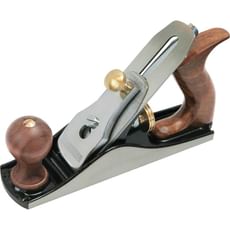
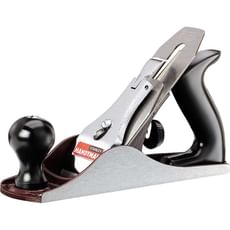
Bench planes are essential hand tools for any woodworker, whether you're a professional joiner or a dedicated DIY enthusiast. These precision instruments are designed to smooth, flatten, and shape timber surfaces with remarkable accuracy, producing fine shavings and creating perfectly flat boards that are ready for finishing. Unlike power tools, bench planes offer unparalleled control and feedback, allowing you to work quietly and precisely on everything from furniture making to door fitting and general carpentry projects.
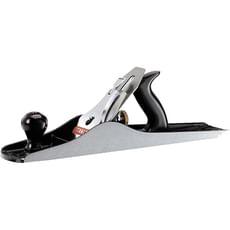
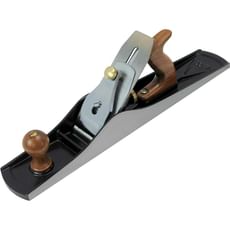
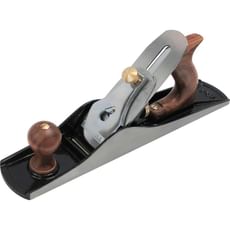
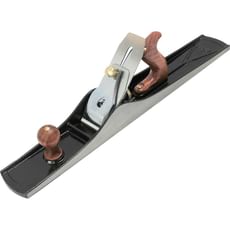
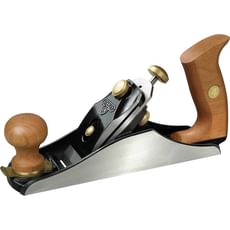
The range available from Tooled-Up.com includes several numbered sizes, each designed for specific tasks. Smaller planes like the No. 3 and No. 4 are ideal for smoothing and finishing work, whilst the larger No. 5 jack plane serves as a versatile all-rounder suitable for both rough work and finishing. For serious flattening and edge jointing tasks, the longer No. 6 fore plane and No. 7 jointer plane provide extended sole lengths that bridge undulations in timber, ensuring perfectly straight edges and flat surfaces. The Tooled-Up selection features quality bench planes from trusted brands including Stanley and Faithfull, ensuring you have access to reliable tools that will last for years when properly maintained.
Whether you're restoring antique furniture, building bespoke joinery, or simply want to achieve superior surface finishes without the dust and noise of power sanders, investing in a quality bench plane is essential. These timeless tools have remained fundamentally unchanged for over a century because their design simply works, offering woodworkers precision control that modern machinery often cannot match.
Jargon Buster
- Sole (or Base)
- The flat bottom surface of the plane that runs along the workpiece. A perfectly flat sole is crucial for accurate planing. Longer soles bridge hollows in timber more effectively, making them ideal for jointing and flattening operations.
- Iron (or Blade)
- The cutting edge of the plane, typically made from hardened steel. The iron is set at an angle and can be adjusted for depth of cut to produce fine or coarse shavings depending on the task at hand.
- Frog
- The angled internal component that supports the plane iron. Adjusting the frog position changes the width of the mouth opening, affecting how the plane handles different timber types and grain patterns.
- Cap Iron (or Chip Breaker)
- A secondary blade screwed on top of the cutting iron that breaks shavings and prevents tear-out, particularly important when planing difficult or figured grain that might otherwise splinter.
- Mouth
- The opening in the sole through which shavings emerge. A tight mouth supports the timber fibres right up to the cutting edge, reducing tear-out on fine finishing work and delicate timbers.
- Cambered Blade
- A blade with a slightly curved cutting edge rather than straight across. This prevents the corners digging in and allows for more aggressive stock removal when needed, particularly useful on jack planes.
Who Uses Bench Planes?
Bench planes are indispensable tools for a wide variety of woodworking professionals and enthusiasts:
- Joiners and Carpenters - for fitting doors, creating flush surfaces, and precision joinery work on site
- Cabinet Makers - for creating perfectly flat panels and smooth finishes on fine furniture
- Shopfitters - for on-site adjustments and fitting bespoke joinery in retail environments
- Antique Furniture Restorers - for sympathetic restoration work where power tools would be inappropriate
- Luthiers and Instrument Makers - for precision shaping and thicknessing of tone woods
- Pattern Makers - for creating accurate wooden patterns and templates
- DIY Enthusiasts - for home improvement projects, furniture making, and general woodworking
- Wood Turners - for preparing blanks and creating flat surfaces before mounting on the lathe
How to Choose the Right Bench Planes
Selecting the appropriate bench plane depends on the type of work you'll be undertaking most frequently:
Plane Size and Length: For general purpose work, a No. 4 smoothing plane (approximately 250mm long) is an excellent starting point and remains the most popular size. If you're flattening longer boards or jointing edges, consider a No. 6 (460mm) or No. 7 (560mm) with their extended sole lengths. For finishing work on smaller components, a No. 3 plane offers excellent manoeuvrability whilst still providing the benefits of a bench plane.
Build Quality and Materials: Look for planes with accurately machined cast iron bodies, as these provide the weight and stability needed for consistent results. Check that the sole is flat and the adjustment mechanisms operate smoothly. Both Stanley and Faithfull bench planes available at Tooled-Up offer reliable options at different price points, with premium models featuring higher quality blade steel and more precise manufacturing tolerances.
Blade Quality: The plane iron is crucial to performance. Look for hardened steel blades that will hold an edge well through extended use. Some premium planes offer thicker blades that reduce chatter and improve performance on difficult timbers. Consider whether replacement blades are readily available for long-term maintenance.
Intended Use: A jack plane (No. 5) serves as an excellent all-rounder if you can only invest in one plane initially. For dedicated smoothing work, choose a No. 4, whilst edge jointing and board flattening demand the longer No. 6 or No. 7 models. Consider what timber lengths you typically work with.
Adjustability: Ensure the plane features easy-to-use depth and lateral adjustment mechanisms. The ability to adjust the frog position is valuable for fine-tuning the mouth opening for different applications, from aggressive stock removal to fine finishing.
Popular Accessories
- Replacement Plane Irons - spare or upgraded blades for maintaining cutting performance
- Sharpening Stones - waterstones, oilstones, or diamond stones for maintaining sharp cutting edges
- Honing Guides - to maintain consistent bevel angles when sharpening plane irons
- Bench Hooks - to secure workpieces whilst planing
- Winding Sticks - for checking board flatness during the planing process
- Camellia Oil or Tool Wax - for protecting plane bodies from rust and keeping soles sliding smoothly
- Woodworking Vices - for holding timber securely during hand planing operations
- Shooting Boards - jigs for planing perfectly square edges on smaller components
Safety Information
Whilst bench planes are generally safe hand tools, proper handling and maintenance practices are important:
Always retract the blade or lay the plane on its side when not in use to protect both the cutting edge and your hands. The plane iron is extremely sharp and should be handled with care during blade changes and sharpening. Keep your hands behind the cutting edge and maintain a stable stance when planing to avoid slipping.
Ensure your workpiece is properly secured in a vice or with clamps before planing - never attempt to hold timber with one hand whilst planing with the other. Work in a well-organised workspace free from trip hazards, as planing requires movement along the length of the workpiece.
When sharpening plane irons, follow safe practices for your chosen sharpening method, and always store sharp tools safely when not in use. Consider wearing safety glasses when adjusting or removing blades to protect against metal fragments. Ensure adequate lighting in your workspace to clearly see the work surface and avoid mistakes that could lead to injury.
Frequently Asked Questions
What's the difference between a bench plane and a block plane?
Bench planes are larger, two-handed tools with the blade (iron) mounted bevel-down at approximately 45 degrees, designed for working on timber held in a vice or on a bench. Block planes are smaller, one-handed tools with the blade mounted bevel-up at a lower angle, ideal for end grain work and small trimming tasks. For general surface planing and edge jointing, bench planes are the appropriate choice.
Which bench plane should I buy first?
For most woodworkers, a No. 4 smoothing plane or a No. 5 jack plane makes the best first purchase. The No. 4 excels at finishing work and fits comfortably in most hands, whilst the No. 5's longer sole and versatility make it suitable for both stock removal and smoothing. If you primarily work with longer boards or need to joint edges, consider starting with a No. 6 fore plane instead.
How do I know if my plane needs sharpening?
A sharp plane should produce thin, continuous shavings with minimal effort. Signs that sharpening is needed include: the plane requiring excessive pressure, producing dust rather than shavings, tearing grain instead of cutting cleanly, or leaving a rough surface finish. Regular honing after a few hours of use maintains peak performance and is quicker than waiting until the blade becomes very dull.
Can bench planes be used on all types of timber?
Quality bench planes can handle most timber species, from softwoods like pine to hardwoods such as oak and walnut. However, very hard exotic timbers or highly figured grain may require careful setup with a tight mouth setting and sharp blade. Extremely resinous woods can build up on the sole, so occasional cleaning with white spirit helps maintain smooth operation. Always plane in the direction of the grain where possible to minimise tear-out.
Do I need to flatten the sole of a new bench plane?
Most quality new bench planes from reputable manufacturers like Stanley and Faithfull arrive with adequately flat soles for typical woodworking. However, checking flatness with a reliable straight edge is worthwhile. If you notice the plane isn't performing well despite correct setup and a sharp blade, sole flattening on sandpaper adhered to a flat surface (like glass) may improve results. For general joinery work, perfect flatness isn't always essential, but furniture makers often flatten soles for optimal performance.