

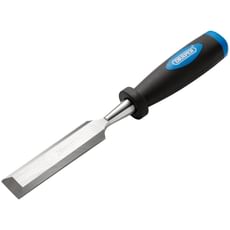
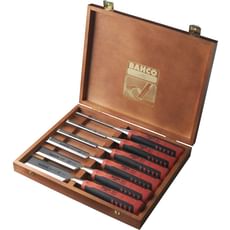
Bevel Edge Chisels

Pay in 3 interest-free payments on purchases from £20-£3000 with  . Learn more.
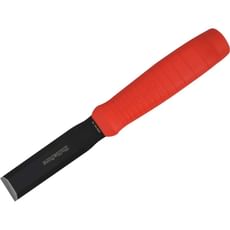
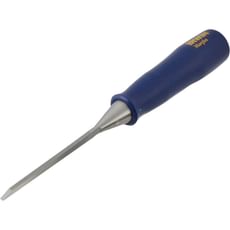
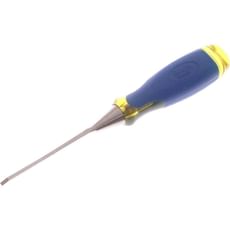
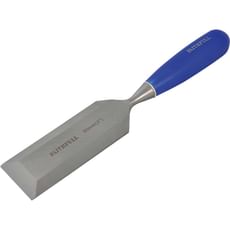
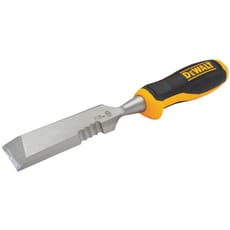
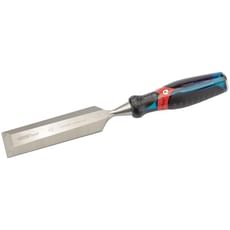
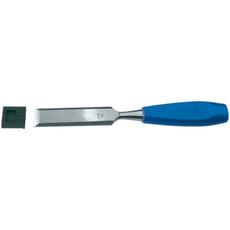
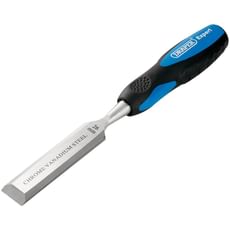
 Loading...
End of content
Error - No more pages to load
About Bevel Edge Chisels
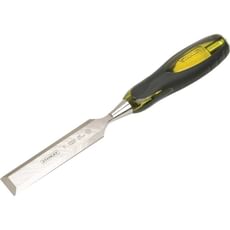
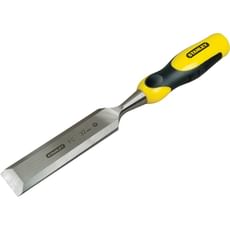
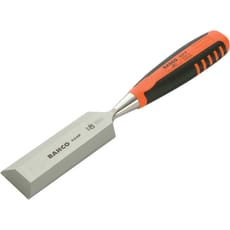
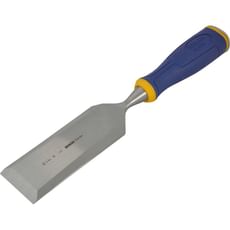
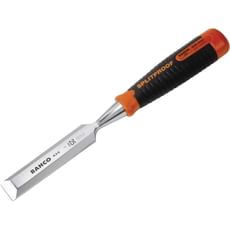
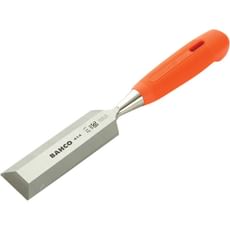
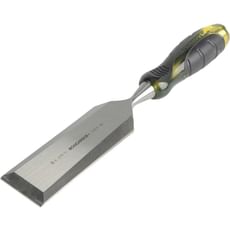
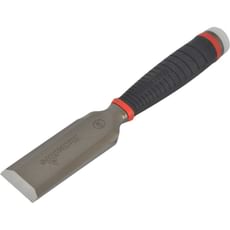
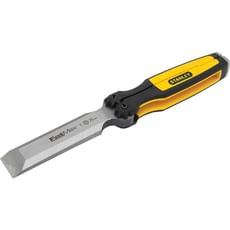
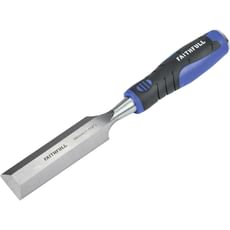
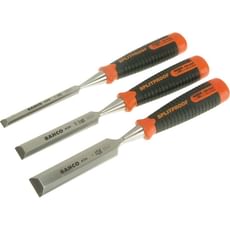
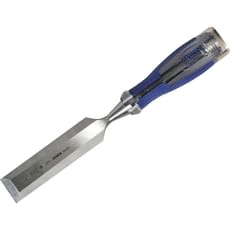
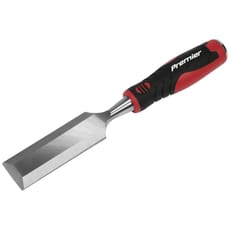
Bevel edge chisels are essential hand tools for any serious woodworker, distinguished by their bevelled sides that taper elegantly from the back of the blade towards the cutting edge. This intelligent design allows the chisel to access tight corners and acute angles that standard firmer chisels simply cannot reach, making them indispensable for precision joinery work including dovetails, mortises, and fine furniture construction. The reduced blade thickness at the edges also minimises friction when working in confined spaces, allowing craftsmen to achieve cleaner cuts with less effort.
The selection at Tooled-Up.com includes bevel edge chisels from respected manufacturers such as Bahco, Marples, Stanley, Faithfull, Draper, Hultafors, and Roughneck. Available as individual chisels or comprehensive sets, these tools cater to everyone from apprentice joiners learning their trade to master craftsmen requiring premium-grade equipment. The legendary Marples Splitproof range features prominently, offering the quality and durability that British woodworkers have trusted for generations, whilst Bahco's professional series delivers exceptional edge retention and balance for demanding site work.
Most bevel edge chisels arrive with a ground bevel but require proper sharpening before first use—a critical step that many beginners overlook. Blade widths typically range from 6mm for delicate work through to 38mm for heavier timber removal, with handles constructed from traditional hardwood, impact-resistant polypropylene, or modern composite materials featuring soft-grip zones for extended comfort. Professional-grade models incorporate strike caps designed to withstand repeated mallet blows without mushrooming, whilst maintaining the precision balance required for controlled hand-pressure paring work.
Jargon Buster
- Bevel Edge: The angled sides of the chisel blade that taper towards the cutting edge, allowing access to tight corners and acute angles impossible to reach with square-edged firmer chisels.
- Tang Construction: The pointed extension of the blade that fits into the handle, traditional in wooden-handled chisels and providing excellent balance and tactile feedback during precision work.
- Strike Cap: A reinforced metal or impact-resistant polymer cap fitted to the handle end, designed to withstand repeated mallet strikes without splitting, mushrooming, or causing handle damage over time.
- Honing Angle: The precise angle at which the cutting edge is ground and sharpened, typically between 25° and 30° for general woodworking applications, with lower angles providing sharper cuts in softwoods and higher angles offering greater durability in hardwoods.
- Blade Hardness (HRC): Measured on the Rockwell Hardness Scale, this indicates the steel's temper. Quality chisels range from 58-62 HRC, balancing edge retention against ease of resharpening—too soft and edges dull quickly, too hard and blades become brittle.
- Splitproof Handle: Advanced handle construction designed to resist splitting when struck with a mallet, often featuring through-tang design or modern composite materials that absorb impact energy whilst maintaining structural integrity.
Who Uses Bevel Edge Chisels?
- Joiners and Carpenters: Cutting and fitting joints, hanging doors, trimming architrave, and general site work requiring precise wood removal in confined spaces.
- Cabinet Makers: Creating dovetail joints, fitting hinges and locks, cutting housing joints, and detailed joinery work where accuracy and finish quality are paramount.
- Furniture Makers: Hand-cutting traditional joints, fine-tuning fits, detailed shaping work on bespoke pieces, and achieving the precision that power tools cannot match.
- Shopfitters: Installing fixtures and fittings, scribing and fitting architrave, general trim carpentry on commercial installations, and adapting components on-site.
- Restoration Specialists: Repairing and restoring antique furniture and period joinery using traditional techniques, where sympathetic materials and methods are essential.
- Wood Turners: Detail work and fine adjustments on turned pieces, particularly for cutting recesses, refining shoulders, and achieving crisp details on spindle work.
- DIY Enthusiasts: Home improvement projects, furniture assembly modifications, garden joinery, and learning traditional woodworking skills in home workshops.
- Education and Training: Schools, colleges, and apprenticeship programmes teaching fundamental woodworking skills and traditional joinery techniques to the next generation of tradespeople.
How to Choose the Right Bevel Edge Chisels
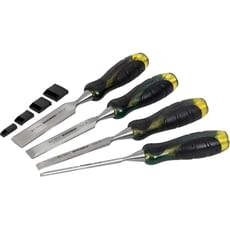
Individual Chisels or Complete Sets: Beginners typically benefit from a comprehensive chisel set covering common sizes such as 6mm, 12mm, 18mm, 25mm, and 32mm, providing versatility for learning different techniques. Professional tradesmen often prefer purchasing individual chisels in their most-used widths, allowing investment in premium quality for frequently used sizes whilst economising on less common widths.
Handle Material and Construction: Traditional wooden handles offer superb balance and tactile feedback appreciated by experienced craftsmen, whilst modern composite handles provide superior impact resistance and often incorporate soft-grip zones for extended comfort. If you'll be striking chisels regularly with a mallet, prioritise models with reinforced strike caps like the Marples Splitproof or Bahco Professional ranges that resist mushrooming and splitting.
Blade Quality and Steel Composition: Higher carbon steel blades maintain sharp edges longer between honings but require more diligent maintenance to prevent rust and corrosion. Look for established brands including Bahco, Stanley, and Marples that use quality steel with hardness ratings between 58-62 HRC, offering the optimal balance between edge retention and practical resharpening without specialist equipment.
Budget and Quality Considerations: Entry-level chisels from Draper and Faithfull deliver solid performance for occasional use and represent excellent value for learning fundamental techniques without significant investment. Mid-range options from Stanley and Bahco provide professional-grade performance at reasonable prices suitable for daily trade use. Premium chisels from specialists like Hultafors represent lifetime investments for serious craftsmen demanding exceptional edge retention and precision.
Intended Application and Environment: Heavy-duty site work demands robust construction like the Hultafors Heavy Duty range with impact-resistant handles and durable blade geometry. Fine furniture making benefits from chisels offering superior edge retention, precise balance, and comfortable extended use. Consider whether regular mallet striking or predominantly hand-pressure paring work will characterise your usage patterns.
Maintenance Requirements and Sharpening: Virtually all chisels require proper sharpening before first use and regular honing thereafter to maintain optimal performance. Factor in the additional cost of quality sharpening equipment—a combination waterstone or diamond sharpening plate is essential. Consider whether you have the time and inclination to maintain tools properly, as neglected chisels perform poorly regardless of initial quality.
Popular Accessories
- Sharpening Stones: Combination waterstones, diamond plates, and oilstones in various grits (typically 1000, 4000, and 8000 grit) for establishing and maintaining razor-sharp cutting edges.
- Honing Guides: Precision guides ensuring consistent bevel angles when sharpening, particularly valuable for beginners developing their technique and achieving professional results.
- Wooden Mallets: Beech or hickory striking mallets available in various weights for different applications—lighter mallets for delicate paring, heavier versions for mortising and heavy stock removal.
- Chisel Rolls and Storage: Canvas or leather tool rolls protecting blade edges during transport and storage, preventing damage and maintaining sharpness between uses.
- Tool Lubricants: Camellia oil or specialist blade protectants preventing rust on high-carbon steel blades whilst maintaining smooth operation in humid workshop environments.
- Bench Hooks: Essential workholding devices for safe chisel work, particularly for cross-grain cuts and controlled paring operations without expensive vice equipment.
- Leather Strops: Charged with polishing compound for final edge refinement, achieving razor-sharp results that slice through timber fibres rather than crushing them.
- Cut-Resistant Gloves: Modern protective gloves offering dexterity whilst protecting hands from accidental slips during intensive chisel work or sharpening operations.
Safety Information
Working safely with bevel edge chisels requires constant vigilance and proper technique to prevent injury. Always chisel away from your body and ensure both hands remain behind the cutting edge at all times. Secure workpieces firmly using a proper vice, clamps, or bench hook—never hold work in your hand whilst chiselling, as slips can cause serious lacerations requiring medical attention.
Maintain sharp edges consistently, as counterintuitively, blunt chisels present greater danger than sharp ones. Dull edges require excessive force and are far more likely to slip unpredictably, causing injury. When chisels are not actively in use, protect cutting edges with blade guards or store them properly in dedicated chisel rolls. Never misuse chisels as screwdrivers, pry bars, or for any application other than cutting wood—such abuse damages tools and creates dangerous conditions.
Wear appropriate personal protective equipment including safety glasses or goggles protecting against flying wood chips, particularly when working with hardwoods or striking chisels with mallets. Consider cut-resistant gloves when handling chisels during sharpening operations or when working with particularly hard or splintery timber species. Ensure adequate lighting in your workspace and maintain a clean, organised work area free from trip hazards and clutter that could cause accidents.
When using mallets to strike chisels, maintain a firm controlled grip and strike squarely on the handle end to prevent glancing blows that can damage handles or cause the chisel to deflect unpredictably. Follow HSE guidance for hand tool use in professional environments, and ensure proper training is provided to apprentices and less experienced operatives before permitting unsupervised chisel use on site or in workshop settings.
Frequently Asked Questions
Do new chisels come pre-sharpened and ready to use?
Most chisels, including premium brands available from Tooled-Up, are supplied with a ground bevel but lack the refined edge required for immediate productive use. Manufacturers typically apply protective coatings and expect users to hone cutting edges before first use. Budget several hours to properly sharpen a new chisel set using progressively finer grits on quality sharpening stones, finishing with a leather strop for optimal results that will slice end grain cleanly with hand pressure alone.
What distinguishes bevel edge chisels from firmer chisels?
Bevel edge chisels feature bevelled sides tapering towards the cutting edge, making them ideal for accessing tight corners and detailed joinery work including dovetails and hinge recesses. Firmer chisels possess flat rectangular sides along their entire length, providing greater strength and rigidity for heavy-duty mortising and aggressive chopping work but sacrificing the versatility and refined access that bevel edge geometry provides for precision joinery applications.
How frequently should I sharpen bevel edge chisels during use?
Professional joiners typically give their most-used chisels a quick hone on a fine stone every 15-30 minutes of active use to maintain peak sharpness and optimal cutting performance. DIY users should sharpen whenever chisels require noticeably more force than usual or begin tearing rather than slicing cleanly through wood fibres. A properly maintained sharp chisel should pare end grain cleanly with hand pressure alone—if you're forcing cuts, sharpening is overdue.
Can I strike bevel edge chisels with a metal hammer?
No, always use proper wooden or rubber mallets when striking chisels. Metal hammers deliver excessive shock loads that can split wooden handles, mushroom strike caps on composite handles, and potentially fracture blade tangs. The Marples Splitproof and similar professional ranges are designed for mallet use specifically—metal hammers will void warranties and create dangerous conditions. For powered chiselling, use purpose-designed mortising attachments rather than improvising with hand chisels.
Which sizes should I prioritise in a basic chisel collection?
A practical starter set should include 6mm, 12mm, 18mm, 25mm, and 32mm widths, covering the vast majority of general woodworking and joinery tasks encountered in typical applications. Professional joiners often supplement this range with 10mm and 38mm widths for specialist work. The 12mm and 25mm sizes typically experience the heaviest use across most trades, so consider investing in premium quality for these frequently used widths even if purchasing budget-friendly options for less common sizes.