

Bladed Scrapers

Pay in 3 interest-free payments on purchases from £20-£3000 with  . Learn more.
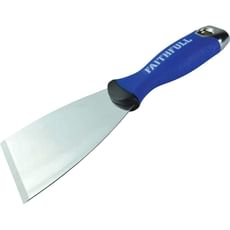
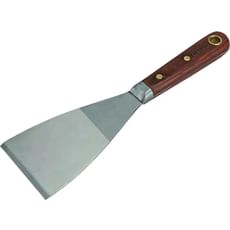
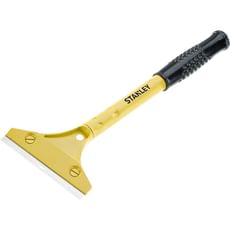
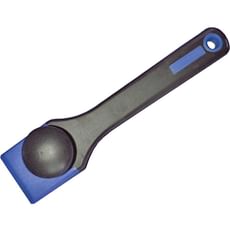
 Loading...
End of content
Error - No more pages to load
About Bladed Scrapers
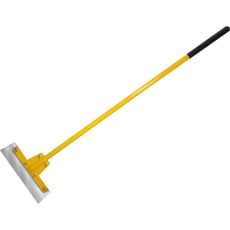
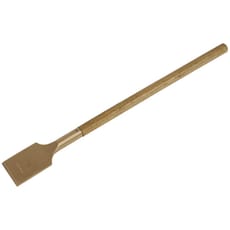
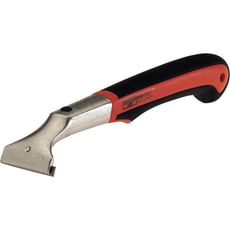
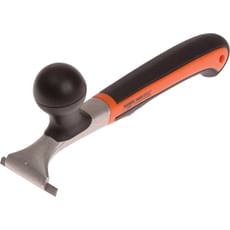
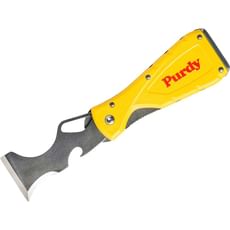
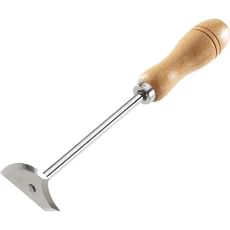
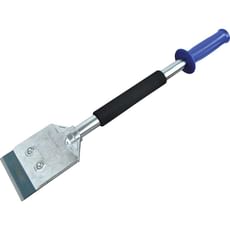
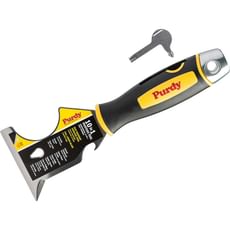
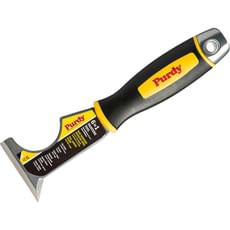
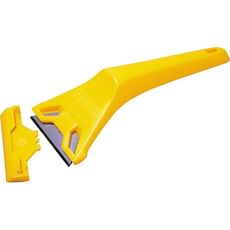
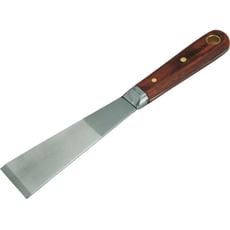
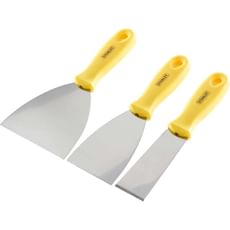
Bladed scrapers are essential hand tools designed for removing unwanted materials from surfaces, including paint, adhesive, varnish, wallpaper, and general debris. Available in various configurations from simple handheld models to specialised window scrapers, these versatile tools are fundamental to surface preparation across countless trades and applications. The defining characteristic of bladed scrapers is their replaceable cutting edge, which allows users to maintain optimal performance without replacing the entire tool.
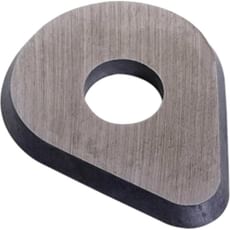
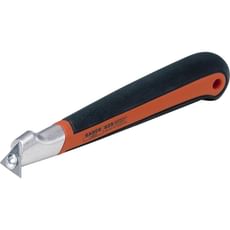
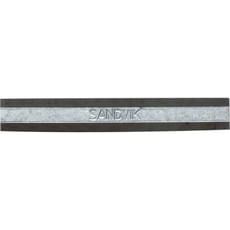
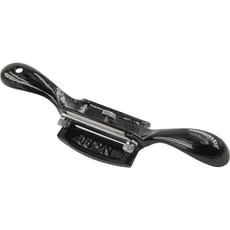
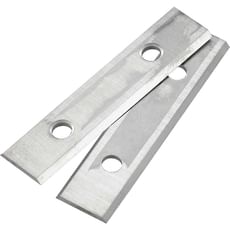
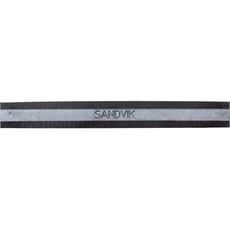
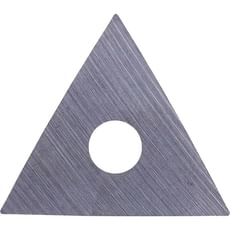
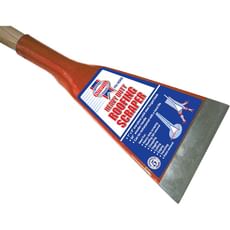
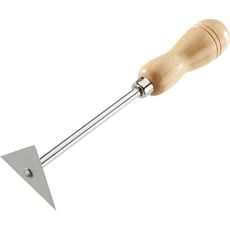
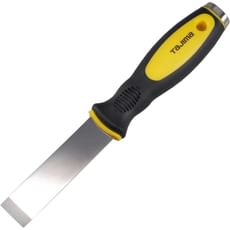
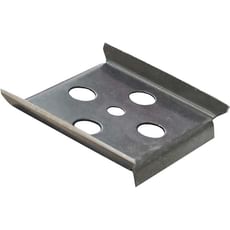
The range at Tooled-Up includes several distinct types of bladed scrapers, each engineered for specific tasks. Standard scrapers feature flat, rigid blades ideal for removing thick layers of material from flat surfaces, whilst shavehooks are designed with curved or triangular profiles perfect for mouldings and intricate woodwork. Window scrapers incorporate safety features and angled heads for glass surfaces, and dedicated scraper blades are available as replacement consumables for all tool types. Quality bladed scrapers from brands such as Stanley, Bahco, and Irwin combine ergonomic handles with precision-ground blades to deliver professional results.
Modern bladed scrapers have evolved significantly beyond basic paint removal tools. Many now feature quick-release mechanisms for blade changes, retractable safety guards, and multi-position blade settings that adapt to different scraping angles. Some models incorporate carbide or tungsten carbide edges for extended durability when working with particularly stubborn materials or abrasive surfaces, making them invaluable across decorating, restoration, and general maintenance work.
Jargon Buster
- Shavehook: A specialised scraper with a curved, triangular, or combination blade profile designed for removing paint and finish from mouldings, skirting boards, and other shaped surfaces where flat scrapers cannot reach effectively.
- Carbide Blade: A scraper blade featuring tungsten carbide cutting edges that remain sharp significantly longer than standard steel blades, particularly valuable when removing adhesives, render, or working on abrasive surfaces.
- Quick-Release Mechanism: A tool-free blade changing system allowing rapid replacement of worn or damaged scraper blades without requiring screwdrivers or other implements, improving efficiency and safety on site.
- Pull Scraper: A scraping tool designed to be drawn towards the user rather than pushed away, offering greater control and reduced fatigue when working on delicate surfaces or removing thin layers of material.
- Retractable Blade: A safety feature found on many modern scrapers where the blade can be withdrawn into the handle when not in use, reducing the risk of accidental cuts during transport or storage.
- Blade Angle: The degree at which the scraper blade meets the working surface, typically adjustable on professional tools to optimise cutting efficiency for different materials and applications.
Who Uses Bladed Scrapers?
Bladed scrapers are utilised across numerous trades and applications:
- Painters and Decorators: Removing old paint, wallpaper, and preparing surfaces for refinishing
- Window Fitters and Glaziers: Cleaning glass, removing labels, and preparing frames
- Carpenters and Joiners: Removing excess adhesive, cleaning timber, and stripping finishes
- Builders and General Tradespeople: Site clean-up, removing plaster splashes, and surface preparation
- Shop Fitters and Signage Installers: Removing old graphics, adhesive residue, and preparing retail surfaces
- Vehicle Body Repairers: Removing decals, badges, and preparing automotive surfaces
- Heritage Restoration Specialists: Carefully removing paint layers without damaging underlying surfaces
- DIY Enthusiasts and Homeowners: General maintenance, decorating projects, and renovation work
- Facilities Maintenance Teams: Removing graffiti, adhesive labels, and general surface cleaning
How to Choose the Right Bladed Scrapers
Selecting appropriate bladed scrapers depends on several key factors:
Application Type: Consider the primary material you'll be removing. Heavy paint and adhesive removal requires robust scrapers with thick, rigid blades, whilst delicate surfaces benefit from thinner, more flexible blades. Glass and smooth surfaces demand dedicated window scrapers with appropriate blade angles to prevent scratching.
Blade Material and Type: Standard carbon steel blades suit general purpose work and are economical for frequent replacement. Stainless steel blades resist corrosion when working in damp conditions, whilst carbide-edged options justify their premium cost through extended durability on demanding applications. Tooled-Up.com stocks replacement blades across all categories to maintain optimal tool performance.
Handle Design and Ergonomics: Professional users should prioritise tools with contoured, slip-resistant handles that reduce fatigue during extended use. Two-handed scrapers provide greater leverage for heavy-duty applications, whilst compact designs offer superior control for detailed work. Consider whether retractable or fixed blade designs better suit your working environment and safety requirements.
Blade Width and Profile: Wider blades (75-100mm) accelerate work on large, flat surfaces, whilst narrower options (25-50mm) provide precision for detailed areas. Shavehooks with combination profiles offer versatility across different moulding shapes. Assess your typical workload to determine whether multiple specialised tools or a versatile general-purpose scraper represents better value.
Blade Changing System: Quick-release mechanisms significantly improve productivity and safety compared to traditional screw-fixed blades, particularly valuable for professional tradespeople who change blades frequently. Ensure replacement blades are readily available and competitively priced for your chosen system.
Popular Accessories
- Replacement Scraper Blades: Available in various widths, materials, and profiles to suit different scraper types and applications
- Blade Dispensers: Safe storage containers for carrying and accessing replacement blades on site
- Paint Strippers and Softeners: Chemical treatments that ease material removal and reduce scraping effort
- Abrasive Pads and Wire Brushes: Complementary tools for final surface preparation after scraping
- Putty Knives and Filling Blades: For applying filler to surfaces after scraping and preparation
- Safety Gloves: Cut-resistant gloves providing protection when handling bladed tools
- Dust Sheets and Protective Covering: Essential for containing debris generated during scraping operations
- Sharpening Stones: For maintaining the cutting edge of reusable scraper blades
Safety Information
Bladed scrapers present inherent cutting hazards that require appropriate precautions. Always direct scraping strokes away from your body and maintain awareness of blade position at all times. Wear cut-resistant gloves conforming to EN 388 standards when handling these tools, and ensure eye protection is worn to guard against flying debris, particularly when removing dried paint or brittle materials.
Replace blunt blades promptly rather than applying excessive force, as dull edges require greater pressure that increases the risk of slipping and injury. Store scrapers with blade guards fitted or retracted where applicable, and transport them in tool bags or pouches to prevent accidental contact. When working overhead or on ladders, ensure bladed scrapers are secured to prevent dropping, and maintain three points of contact with stable platforms.
Dispose of used blades responsibly in approved sharps containers rather than general waste, protecting both waste handlers and the environment. When using chemical paint strippers in conjunction with scrapers, ensure adequate ventilation and follow COSHH regulations. Review HSE guidance on hand tool safety and implement risk assessments for professional work environments where scrapers are used regularly.
Frequently Asked Questions
How often should scraper blades be replaced?
Replace blades when you notice increased effort required for scraping or when the cutting edge shows visible damage or rounding. Professional decorators typically change blades multiple times per job depending on material hardness, whilst DIY users may achieve several projects from a single blade. Using blunt blades reduces efficiency and increases injury risk through slipping.
Can window scraper blades be used on other surfaces?
Whilst window scraper blades work on various smooth, hard surfaces, they're specifically designed for glass with appropriate thickness and angle to prevent scratching. Using them on rougher surfaces or thick material layers will prematurely dull the edge. Standard scraper blades prove more economical for general purpose work beyond glass cleaning.
What's the difference between pull and push scrapers?
Pull scrapers are drawn towards the user and excel at controlled, fine work on delicate surfaces, offering better visibility of the cutting area. Push scrapers direct force away from the body and suit heavy-duty material removal on robust surfaces. Many professionals at Tooled-Up select both types for comprehensive capability across different applications.
Are carbide blades worth the extra cost?
Carbide blades cost significantly more than standard steel but maintain sharpness 10-50 times longer depending on application. They're economically justified for professional users tackling abrasive materials, adhesive removal, or high-volume work. DIY users working with standard paint and wallpaper typically find conventional blades more cost-effective.
How can I prevent scraper blades from rusting?
Wipe blades clean after use and apply a light coating of tool oil or moisture-displacing lubricant before storage. Store scrapers in dry conditions rather than damp toolboxes or site containers. Stainless steel blades offer inherent corrosion resistance for tradespeople regularly working in wet environments, though they may not hold edges quite as long as carbon steel alternatives.