

Bow Saw Blades

Pay in 3 interest-free payments on purchases from £20-£3000 with  . Learn more.
Loading...
End of content
Error - No more pages to load
About Bow Saw Blades
Bow saw blades are essential replacement components designed for efficient cutting of green and seasoned wood, branches, logs, and timber. These specialised blades feature precisely manufactured teeth in various configurations to suit different cutting applications, from pruning fresh garden branches to processing seasoned firewood. Whether you're a professional arborist managing woodland or a homeowner maintaining your garden, having sharp, properly specified replacement blades ensures clean cuts and reduces the physical effort required during sawing operations.
Tooled-Up.com stocks high-quality bow saw blades from trusted manufacturers including Bahco, Spear and Jackson, Faithfull, Roughneck, and Draper. The selection includes specialist blades optimised for wet cutting (green wood with high sap content), dry cutting (seasoned timber), and versatile general-purpose options suitable for both applications. With different tooth patterns such as peg tooth for aggressive cutting, raker tooth for smooth versatile performance, and hard point configurations offering extended edge retention, you can select the ideal blade for your specific requirements. Most blades are available in standard lengths including 21" (530mm), 24" (610mm), and 30" (760mm) to fit the majority of bow saw frames used across the UK.
Regular blade replacement is crucial for maintaining cutting efficiency and safety. A sharp, correctly specified blade not only improves productivity on site but also reduces user fatigue and the risk of accidents caused by forcing dull blades through timber. For professional tradespeople and serious DIY enthusiasts alike, keeping spare blades readily available ensures uninterrupted work and consistent cutting performance throughout demanding projects.
Jargon Buster
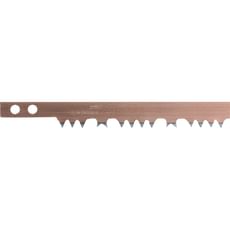
- Peg Tooth: A tooth pattern featuring large, aggressive teeth ideal for fast cutting through green wood and fresh branches. The widely spaced teeth with deep gullets prevent clogging when cutting sappy timber, making them perfect for arborists and forestry work.
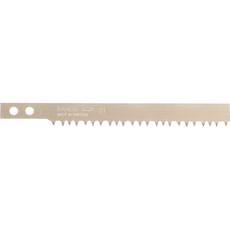
- Raker Tooth: An alternating tooth pattern where dedicated 'raker' teeth clear sawdust from the kerf (cutting channel). This configuration provides smoother, more controlled cutting and delivers excellent versatility across both green and dry wood applications.
- Hard Point: Teeth that have been hardened through specialised heat treatment, maintaining sharpness significantly longer than standard teeth. Hard point blades cannot be resharpened but offer extended working life, making them cost-effective for professional users despite higher initial pricing.
- TPI (Teeth Per Inch): A measurement indicating tooth density along the blade length. Lower TPI (larger, fewer teeth) suits fast, rough cuts in green wood and thick branches, whilst higher TPI provides finer, smoother cuts in dry seasoned timber and smaller diameter materials.
- Green Wood: Freshly cut or living wood with high moisture content. Requires blades with aggressive tooth patterns and wide gullets to efficiently handle sap and prevent binding during cutting operations.
- Dry/Seasoned Wood: Timber that has been dried or aged, containing minimal moisture. Benefits from finer-toothed blades that produce cleaner, smoother cuts without requiring aggressive sawdust clearance mechanisms.
Who Uses Bow Saw Blades?
Bow saw blades are regularly used by a diverse range of professionals and DIY users, including:
- Arborists and tree surgeons for pruning operations and processing branches
- Landscapers and groundskeepers maintaining parks, gardens, estates, and commercial properties
- Gardeners and horticulturalists for general pruning and seasonal garden maintenance
- Forestry workers processing timber and managing woodland sites
- Estate managers and gamekeepers maintaining rural properties and countryside areas
- Camping and bushcraft enthusiasts processing firewood and constructing shelter materials
- DIY homeowners for garden maintenance, log cutting, and seasonal pruning tasks
- Allotment holders managing fruit trees and maintaining productive plots
- Carpenters and joiners for rough timber preparation on building sites
- Builders and groundworkers clearing vegetation during site preparation
How to Choose the Right Bow Saw Blades
Blade Length: Measure your existing bow saw frame or consult the manufacturer's specifications. Common sizes available at Tooled-Up include 21" (530mm), 24" (610mm), and 30" (760mm). The replacement blade must match your frame size exactly for proper tensioning and safe operation. Incorrectly sized blades cannot be properly secured and may fail during use.
Wood Type: Identify whether you'll be cutting primarily green wood, dry seasoned wood, or both. Bahco and Faithfull offer specialist wet cut and dry cut blades optimised for specific applications. Green wood blades feature aggressive teeth with large gullets for efficient sap clearance, whilst dry wood blades have finer teeth for cleaner cuts in seasoned timber without clogging.
Tooth Pattern: Peg tooth blades like the Spear and Jackson Predator range provide fast, aggressive cutting ideal for fresh branches and green timber. Raker tooth patterns offer excellent versatility across both green and dry wood, making them outstanding all-rounders for varied work. Hard point blades from Bahco deliver extended edge retention for professional users who demand consistent performance across multiple cutting sessions.
Teeth Per Inch (TPI): Lower TPI suits rapid cutting through thick branches and green wood where finish quality is less critical. Higher TPI produces smoother cuts in dry, seasoned wood and smaller diameter materials. Consider your typical workload when selecting tooth density.
Brand Quality: Professional brands like Bahco, Spear and Jackson, and Faithfull offer superior steel quality, precise tooth setting, and longer working life compared to budget alternatives. For regular professional use, investing in quality blades from established manufacturers ensures reliability, safety, and better value over time.
Popular Accessories
- Bow Saw Frames: Complete frames in various sizes to accommodate your replacement blades
- Pruning Saws: Complementary folding and fixed-blade pruning saws for detailed trimming work
- Work Gloves: Protective gloves from brands like Portwest and Scruffs for safe handling during cutting and blade changes
- Saw Horses and Stands: Stable platforms for safe, controlled cutting of logs and timber at comfortable working height
- Blade Guards: Protective covers to safely store and transport spare blades without risk of injury
- Axes and Mauls: For splitting logs after initial cutting with your bow saw
- Tool Storage Solutions: Stanley FatMax, DeWalt TSTAK, and Milwaukee PACKOUT systems to organise sawing equipment
- Safety Glasses: Eye protection against flying wood chips and sawdust during cutting operations
- Sharpening Equipment: Files and sharpening tools for maintaining standard (non-hardpoint) blades between replacements
Safety Information
Installation: Ensure blades are fitted correctly with teeth facing away from the handle and the blade properly tensioned according to the frame manufacturer's instructions. A loose blade can buckle during use, causing binding and potential injury. Check tension before each use and adjust the frame's tensioning mechanism as needed. Never use damaged or incorrectly fitted blades.
Personal Protective Equipment: Always wear appropriate safety glasses or goggles conforming to BS EN 166 to protect against flying wood chips and sawdust. Heavy-duty work gloves protect hands during blade changes but should be removed during actual sawing to maintain proper grip and control. Steel toe-cap boots conforming to HSE guidelines are advisable when processing larger logs or working on site.
Cutting Technique: Secure workpieces properly before cutting using saw horses or appropriate supports. Never cut material held only by hand or foot. Keep your free hand well away from the cutting line and maintain a stable, balanced stance. Allow the saw to do the work with smooth, controlled strokes using the full blade length rather than forcing the blade, which causes premature wear and increases accident risk.
Blade Condition: Regularly inspect blades for damaged, broken, or missing teeth. Replace worn blades promptly as dull blades require excessive force, increasing user fatigue and accident risk. Never attempt to straighten bent blades or continue using visibly damaged ones. Store spare blades safely with guards fitted to prevent accidental contact with sharp teeth.
Environmental Awareness: Be mindful of your surroundings when using bow saws outdoors. Ensure adequate clearance for the full stroke of the saw and watch for overhead hazards such as power lines or unstable branches. When working at height or on ladders, consider alternative cutting tools better suited to restricted working positions. Clear the work area of trip hazards before commencing cutting operations.
Frequently Asked Questions
How often should I replace my bow saw blade?
Replace your blade when you notice reduced cutting efficiency, excessive effort required, or visible damage to teeth. Professional users cutting daily may need monthly replacement, whilst occasional DIY users might achieve a year or more from a quality blade. Hard point blades from manufacturers like Bahco typically last longer than standard blades but cannot be resharpened. Environmental factors such as cutting dirty or gritty wood accelerate wear significantly.
Can I use the same blade for green and dry wood?
Whilst raker tooth blades work adequately for both applications, specialist blades deliver superior results. Green wood blades with aggressive peg teeth and wide gullets handle sap efficiently but produce rougher cuts in dry wood. Dry wood blades with finer teeth give smooth finishes in seasoned timber but clog quickly in green wood. If you regularly cut both types, consider keeping specialist blades for each application to optimise performance and blade life.
What blade length do I need for my bow saw?
Measure your bow saw frame or check the manufacturer's specifications printed on the frame. The replacement blade must match your frame size exactly. Common UK sizes are 21" (530mm), 24" (610mm), and 30" (760mm). Most replacement blades include sizing information in both imperial and metric measurements on the packaging. If uncertain, bring your old blade or frame to confirm sizing before purchasing.
Are hard point blades worth the extra cost?
For professional use or regular cutting, hard point blades offer excellent value through extended working life and consistent performance. The hardened teeth maintain sharpness significantly longer than standard blades, requiring less frequent replacement despite higher initial cost. Professional arborists and landscapers typically find hard point blades more economical overall. DIY users with occasional requirements may find standard blades more cost-effective for light seasonal use.
Can bow saw blades be resharpened?
Standard bow saw blades with untreated teeth can be resharpened using appropriate triangular files, though this requires skill, time, and the correct file size for the tooth pitch. Hard point blades cannot be resharpened due to their hardened tooth treatment. Given the relatively low cost of quality replacement blades and the time investment required for sharpening, most users find replacing blades more practical and cost-effective than sharpening, ensuring consistently sharp teeth and safe, efficient operation.