

Bow Saws & Blades

Pay in 3 interest-free payments on purchases from £20-£3000 with  . Learn more.
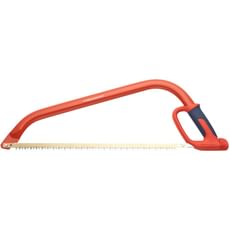
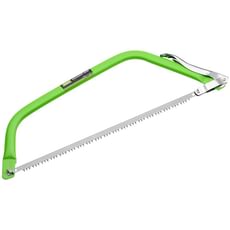
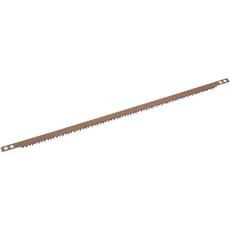
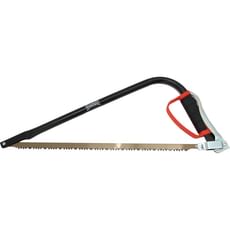
 Loading...
End of content
Error - No more pages to load
About Bow Saws & Blades
Bow saws remain one of the most effective and economical solutions for cutting wood outdoors, whether you're sectioning logs for firewood, pruning mature trees, or clearing timber on site. These traditional frame-style saws feature a distinctive curved or 'bow' shaped design that holds a replaceable toothed blade under tension, delivering impressive cutting performance through both green and seasoned wood. The real advantage lies in their replaceable blade system – when teeth become worn or damaged, you simply swap in a fresh blade rather than replacing the entire tool, making them particularly cost-effective for both professional tradespeople and DIY enthusiasts.
The blade tensioning system sets bow saws apart from fixed-blade alternatives like pruning saws or handsaws. This tension creates rigidity that prevents blade flex during cutting, resulting in straighter, more accurate cuts with less effort. Professional-grade frames from manufacturers like Bahco and Stanley feature robust tubular steel or aluminium construction with ergonomic handles designed to withstand the demands of daily site work. The frame geometry allows for substantial blade lengths – typically 530mm to 915mm – giving you the reach needed for larger diameter timber whilst maintaining excellent control.
Tooled-Up.com stocks both traditional curved bow frames and pointed nose (triangular) designs, each suited to different applications. Curved frames maximise blade length for efficient cutting of larger logs, whilst pointed nose variants excel in confined spaces such as dense branch clusters or when working close to structures. Blade selection is equally important – aggressive peg teeth handle green wood with high moisture content, finer tooth patterns suit dry seasoned timber, and specialist configurations tackle specific species or cutting conditions. Whether you're a professional tree surgeon, landscaper, forestry worker, or homeowner managing your own grounds, pairing the right frame with appropriate replacement blades ensures efficient, safe cutting across all outdoor timber tasks.
Jargon Buster
- Frame Saw: A saw design where the blade is held under tension within a rigid frame structure, similar to hacksaws. This allows quick blade changes and maintains optimal cutting tension throughout the stroke.
- TPI (Teeth Per Inch): The measurement of tooth density on saw blades. Lower TPI (6-10) provides faster, more aggressive cuts ideal for green wood, whilst higher TPI (15-20+) delivers smoother, more controlled cuts in dry, seasoned timber.
- Peg Teeth: Traditional triangular tooth pattern featuring sharp points and deep gullets, specifically designed to efficiently clear sawdust and sap when cutting green wood with high moisture content.
- Raker Teeth: An alternating tooth configuration where cutting teeth are interspersed with shorter 'raker' teeth that remove waste material from the kerf, reducing binding in deeper cuts and improving overall cutting efficiency.
- Blade Tension: The amount of tightness applied to the blade within the frame assembly. Correct tension prevents blade wandering and ensures straight, accurate cuts whilst reducing the risk of blade breakage during use.
- Pointed Nose/Triangular Frame: A bow saw variant featuring a narrower, tapered frame geometry that provides superior access in restricted spaces compared to traditional curved bow frames, particularly useful for pruning work.
Who Uses Bow Saws & Blades?
- Tree Surgeons & Arborists: For pruning operations, sectioning felled timber, and general tree maintenance work
- Landscapers & Groundskeepers: Managing woodland areas, clearing overgrown vegetation, and preparing logs
- Forestry Workers: Processing timber on site, limbing operations, and commercial firewood preparation
- Gardeners & Garden Maintenance Contractors: Pruning large branches, cutting back mature shrubs, and seasonal garden clearance
- Roofers & Carpenters: Cutting structural timber, roof timbers, and construction-grade wood on building sites
- Estate Managers & Park Rangers: Maintaining large grounds, woodland management, and habitat conservation projects
- Agricultural Workers: Hedge maintenance, fencing work, and general farmland management tasks
- Camping & Bushcraft Enthusiasts: Preparing firewood, building shelters, and general outdoor woodcraft activities
- DIY Enthusiasts & Homeowners: Managing their own gardens, preparing logs for wood burners, and seasonal tree maintenance
How to Choose the Right Bow Saws & Blades
Frame Size & Blade Length: Blade lengths typically range from 530mm (21") up to 915mm (36"). For general garden maintenance and pruning, a 610-760mm (24-30") frame offers the best balance between cutting capacity and manoeuvrability. Larger frames suit forestry work and processing substantial logs, whilst compact sizes excel in confined spaces and lighter pruning tasks.
Frame Construction & Design: Consider whether you need a traditional curved bow frame for maximum blade length and efficient cutting, or a pointed nose design for improved access around obstacles and tight branch clusters. Professional-grade frames available from Tooled-Up feature tubular steel construction with powder-coated finishes for durability in demanding site conditions, whilst lighter aluminium frames suit occasional domestic use.
Blade Tooth Configuration: Match your blade specification to the material you're cutting most frequently. Peg tooth blades with 6-10 TPI work best on green wood with high moisture content, efficiently clearing sap and fibrous debris. For seasoned, dry timber, opt for finer teeth (12-15 TPI) that produce smoother cuts with reduced tearing. Hard point blades offer extended working life before requiring replacement.
Handle Ergonomics & Grip: Look for ergonomically designed handles with comfortable grips, particularly important for extended cutting sessions on site. Moulded plastic or rubberised handles reduce hand fatigue and provide better control in the wet conditions common to outdoor work. Quality handles from brands like Bahco feature anatomical designs that suit both left and right-handed users.
Blade Tensioning Mechanism: Quality bow saws feature reliable tensioning systems – typically either threaded rod designs or lever-action mechanisms. Proper tension is critical for straight cuts and blade longevity, so choose frames with accessible, tool-free adjustment that can be easily operated wearing work gloves.
Replacement Blade Availability: Ensure replacement blades are readily available for your chosen frame system. Bahco and Stanley offer extensive ranges of compatible blades in various tooth configurations, making ongoing maintenance straightforward and economical throughout the tool's working life.
Popular Accessories
- Replacement Bow Saw Blades: Stock multiple blade types for different materials – coarse peg teeth for green wood, fine teeth for dry timber, and general-purpose configurations
- Blade Guards & Protectors: Protect teeth during transport and storage, extending blade life and preventing accidental injury
- Saw Horses & Cutting Trestles: Provide stable support for safe, controlled cutting operations at comfortable working heights
- Work Gloves: Cut-resistant gloves from brands like Portwest for hand protection during sawing operations
- Tool Belts & Pouches: Keep your bow saw accessible when working at height or moving between cutting locations on site
- Sharpening Files: Maintain traditional blade teeth for optimal cutting performance between blade replacements
- Pruning Saws: Complementary folding saws for detail work in confined spaces where bow saws cannot access
- Safety Glasses & Face Shields: Essential PPE for protection against flying sawdust and wood chips
- Log Splitting Wedges & Axes: Complete your timber processing toolkit for splitting sectioned logs
- Garden Waste Bags & Tarps: For collecting and transporting cut material efficiently
Safety Information
Bow saws are powerful cutting tools that demand respect and proper safety practices on every job. Always ensure blades are correctly tensioned before commencing work – loose blades can buckle and jump unpredictably, whilst over-tensioned blades may snap under load. Inspect blades before each use for damaged or missing teeth, cracks, excessive wear, or rust, and replace compromised blades immediately rather than risk blade failure during cutting.
Wear appropriate personal protective equipment in accordance with HSE guidelines, including safety glasses or goggles to protect against flying debris, cut-resistant work gloves to protect hands from sharp teeth, and steel toe-capped boots when processing larger logs. Consider hearing protection during extended cutting sessions. When working overhead or pruning at height, hard hats are mandatory, and ensure you're working from a stable platform or properly secured ladder.
Maintain a stable stance with secure footing when sawing, and ensure the workpiece is properly supported to prevent binding or pinching of the blade mid-cut. Never position any part of your body in line with the cutting direction. Keep blades sharp – dull teeth require excessive force, significantly increasing the risk of slips and loss of control. When not in use, fit blade guards and store bow saws in a dry location away from children and unauthorised users. Always follow the manufacturer's specific safety guidance for your particular model, and never remove or modify safety features.
Frequently Asked Questions
What's the difference between bow saw teeth for green wood versus dry wood?
Green wood blades typically feature larger, more aggressive peg teeth with deeper gullets (6-10 TPI) to efficiently clear the sap, moisture and fibrous material present in fresh-cut timber. Dry wood blades have finer teeth (12-15 TPI) that create smoother cuts in seasoned timber where moisture content is lower and fibres are less flexible. Using the wrong blade significantly reduces cutting efficiency and can prematurely damage teeth.
How often should I replace my bow saw blade?
Replace blades when you notice significantly reduced cutting performance, missing or damaged teeth, visible cracks, or excessive rust that cannot be removed. Hard point blades typically last longer than traditional teeth but cannot be resharpened when dull. With proper maintenance and storage, a quality blade should handle dozens of cutting sessions. Professional users working daily may replace blades monthly, whilst occasional DIY users might achieve a year or more from a single blade depending on usage intensity.
Can I use a bow saw for cutting metal or plastic materials?
No, bow saws are specifically designed for cutting wood and should never be used on metal, plastic, or masonry materials. The tooth geometry, blade material and cutting action are optimised exclusively for wood fibres. Using bow saws on inappropriate materials will rapidly damage teeth and potentially cause dangerous blade failure. For metal cutting, use a hacksaw with appropriate metal-cutting blades instead.
Why does my bow saw blade keep bending or wandering during cuts?
Blade wandering is almost always caused by insufficient blade tension. Check and adjust the tensioning mechanism – the blade should produce a clear 'ping' sound when plucked, similar to a guitar string. Other causes include using a worn blade with damaged teeth, forcing the saw rather than allowing the teeth to do the work, or cutting material that's moving or inadequately supported. Ensure your frame isn't bent or damaged, as this prevents proper tensioning regardless of adjustment.
What blade length do I need for typical garden maintenance work?
For most domestic garden maintenance, tree pruning and preparing logs for wood burners, a 610-760mm (24-30 inch) bow saw provides the ideal combination of cutting capacity and manoeuvrability. This size comfortably handles branches up to approximately 200mm diameter whilst remaining easy to control and transport around your property. Professional landscapers working with larger timber may prefer 760-910mm frames, whilst those working in confined spaces might opt for compact 530mm models.