

Bow Saws

Pay in 3 interest-free payments on purchases from £20-£3000 with  . Learn more.
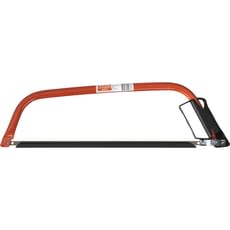
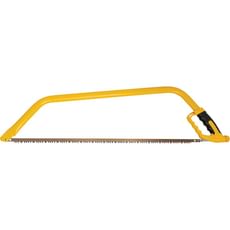
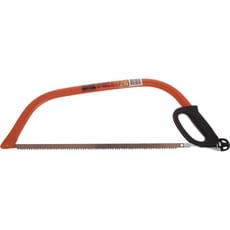
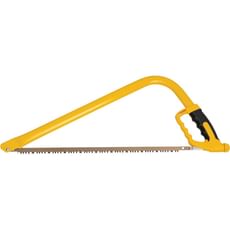
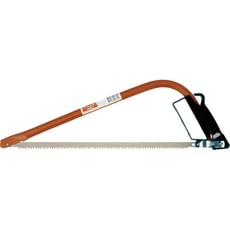
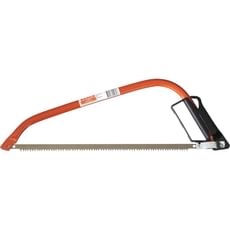
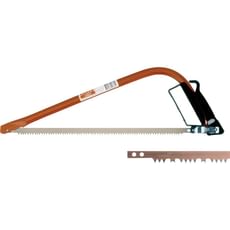
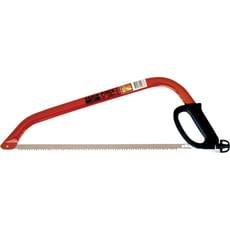
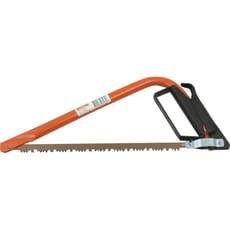
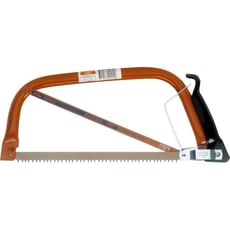
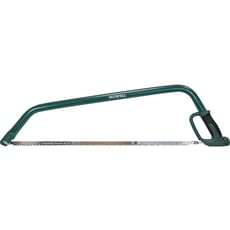
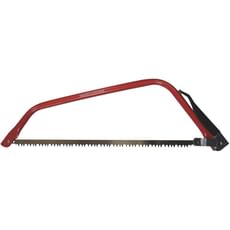
 Loading...
End of content
Error - No more pages to load
About Bow Saws
A bow saw is a versatile handheld cutting tool characterised by its distinctive curved metal frame and tensioned replaceable blade, designed primarily for cutting green wood, seasoned timber, branches, and logs. The frame's bow-shaped design holds the blade under tension, allowing for efficient cutting action with relatively thin blades that can slice through wood with minimal effort. Unlike fixed-blade saws, bow saws offer the advantage of replaceable blades, enabling users to switch between different tooth configurations optimised for wet or dry wood conditions. This makes them indispensable tools for gardening, forestry work, firewood preparation, and general outdoor maintenance tasks.
The range available at Tooled-Up.com includes professional-grade bow saws from trusted manufacturers such as Bahco, Faithfull Countryman, Spear and Jackson Predator, Roughneck, Stanley, and Draper. Blade lengths typically range from 530mm (21 inches) for light pruning work up to 900mm (36 inches) for heavy-duty log cutting, with popular mid-range sizes of 610mm and 760mm offering excellent versatility for general garden and site work. Modern designs have evolved significantly to include ergonomic soft-grip handles, quick-release blade mechanisms for tool-free blade changes, and tubular steel frames that combine exceptional strength with reduced weight for prolonged use.
Bow saws are available in several specialised configurations to suit different applications. Traditional curved-frame models provide maximum blade tension and cutting power for heavy-duty work, whilst pointed nose designs from manufacturers like Bahco offer improved manoeuvrability in confined spaces and tight corners where standard frames would be obstructed. Compact toolbox bow saws provide portable cutting capability for mobile tradespeople, and specialist variants such as foresters' and roofers' bow saws are optimised for specific professional applications. Whether you're a professional landscaper, forestry worker, or DIY enthusiast, selecting the appropriate bow saw configuration ensures optimal cutting performance and efficiency.
Jargon Buster
- Green Wood Blade: A blade with aggressive tooth geometry specifically designed for cutting fresh, wet timber with high moisture content. Features larger teeth with pronounced rake angles to efficiently clear sap and fibres during cutting.
- Dry Wood Blade: Blades configured for cutting seasoned, dried timber with finer tooth spacing and different set angles compared to green wood blades, providing cleaner cuts in harder material with reduced moisture content.
- Pointed Nose Design: A frame variation where the front tapers to a point rather than maintaining the full curved profile, allowing improved access in restricted spaces between branches or when working in dense vegetation.
- Blade Tension: The amount of tightness applied to the blade within the frame, critical for straight, efficient cutting. Proper tension prevents blade flex, wandering, and binding during use, with most quality bow saws featuring adjustable tensioning mechanisms.
- Peg Tooth vs Raker Tooth: Two common tooth patterns on bow saw blades. Peg tooth features uniform cutting teeth for aggressive material removal, whilst raker tooth alternates cutting teeth with shorter 'raker' teeth that help clear sawdust from the kerf.
- Tubular Steel Frame: Modern frame construction using hollow steel tubing that provides excellent strength-to-weight ratio, superior to solid metal frames whilst reducing user fatigue during extended cutting sessions.
Who Uses Bow Saws?
Bow saws are essential cutting tools used across numerous trades and applications:
- Gardeners and Landscapers – for pruning trees, cutting branches, hedge maintenance, and general garden upkeep
- Foresters and Arborists – for woodland management, tree surgery, timber preparation, and coppicing work
- Groundskeepers and Estate Managers – for maintaining parks, golf courses, stately homes, and large outdoor spaces
- Roofers – particularly for cutting timber rafters, roof timbers, and structural carpentry work on site
- Carpenters and Joiners – for rough cutting timber, site carpentry work, and breaking down larger sections
- Camping and Bushcraft Enthusiasts – for preparing firewood, camp maintenance, and wilderness survival applications
- Local Authorities and Council Workers – for public space maintenance, tree management, and grounds maintenance
- Farmers and Smallholders – for hedge laying, coppicing, fencing work, and general land management
- DIY Enthusiasts – for home garden maintenance, log cutting, outdoor projects, and firewood preparation
- Tree Surgeons – as backup tools for sectional dismantling and situations where powered equipment isn't suitable
How to Choose the Right Bow Saw
Blade Length: The most important consideration is matching blade length to your typical cutting tasks. For light pruning and branches up to 100mm diameter, a 530mm blade suffices. General garden maintenance and branches up to 150mm diameter are best served by 610mm or 760mm blades, which represent the most popular sizes for versatile use. For cutting large logs and firewood preparation, 900mm blades provide the stroke length needed for efficient cutting. Remember that the blade should be at least 50mm longer than the diameter of material you're cutting to allow for proper cutting action.
Frame Design: Standard curved-frame bow saws like the Bahco Professional range offer maximum blade tension and cutting power for heavy-duty applications. Pointed nose designs from Bahco and Roughneck provide better access in confined spaces, making them ideal for working in dense vegetation or tight corners. Toolbox bow saws offer compact portability for mobile tradespeople who need cutting capability without carrying full-size equipment.
Blade Type and Interchangeability: Professional models from Tooled-Up such as the Bahco Heavy Duty range often include blade options or allow easy blade swapping. Green wood blades excel at cutting fresh timber with high moisture content, whilst dry wood blades are optimised for seasoned logs and firewood. All-purpose blades offer reasonable performance across both conditions. Consider whether you'll need to switch blade types regularly, and look for models with quick-release mechanisms.
Handle Ergonomics: For professional all-day use, ergonomic handles with soft-grip coating significantly reduce hand fatigue and improve control. The Roughneck Bow Saw with Soft Grip Handle and Bahco models with integrated ergonomic handles offer superior comfort. Some designs include built-in hand guards to protect knuckles during cutting. If you'll be using the saw extensively, handle comfort should be a priority consideration.
Build Quality and Durability: Professional-grade saws feature tubular steel frames that resist bending and maintain consistent blade tension over time. Brands such as Bahco, Faithfull Countryman, and Spear and Jackson Predator are renowned for durability in demanding trade environments. Check blade fittings are robust and tensioning mechanisms are easy to adjust. Budget models may suffice for occasional DIY use, but professional tradespeople should invest in quality tools that will withstand daily site work.
Blade Replacement and Availability: Consider how easily blades can be sourced and fitted. Popular brands stocked at Tooled-Up.com ensure replacement blade availability. Quick-release mechanisms save time on site and eliminate the need for tools when changing blades. Check that replacement blades for your chosen model are readily available and affordably priced, as blades are consumable items requiring regular replacement.
Popular Accessories
- Replacement Bow Saw Blades – available in green wood, dry wood, and all-purpose configurations for Bahco, Faithfull, and other popular brands
- Pruning Saws – complementary hand saws for more precise branch work in tight spaces where bow saws cannot reach
- Work Gloves – protective gloves from Portwest, DeWalt, or Scruffs for safe handling and improved grip
- Tool Storage Solutions – Stanley FatMax tool boxes, DeWalt TSTAK systems, or tool bags for safe transportation and organisation
- Saw Horses and Workbenches – for stable, safe cutting of logs and timber at comfortable working height
- Sharpening Files – for maintaining blade tooth sharpness between replacements, extending blade life
- Safety Glasses and Goggles – essential eye protection when cutting wood to guard against flying chips and sawdust
- Loppers and Secateurs – for smaller branches and precision pruning work complementing bow saw capabilities
- Log Splitting Wedges and Axes – complementary tools for firewood preparation after cutting to length
- Blade Guards – protective covers for safe storage and transportation of bow saws
- Work Aprons and Tool Belts – for keeping accessories and other tools close at hand during outdoor work
Safety Information
Personal Protective Equipment: Always wear appropriate safety glasses or goggles to protect against flying wood chips and sawdust. Use sturdy work gloves to protect hands from splinters and improve grip, though avoid loose gloves that could catch on moving blades. Steel toe-capped boots from brands like Scruffs or DeWalt provide essential foot protection when cutting logs on the ground. For professional forestry work, consider additional PPE including hard hats and chainsaw protective trousers as required by HSE guidelines.
Cutting Technique and Positioning: Always ensure the workpiece is stable and properly supported before commencing cutting. Never hold material with your hand whilst cutting – use saw horses, log supports, or secure the workpiece appropriately. Keep hands and body clear of the cutting line, maintaining a firm, balanced stance with secure footing. Use smooth, consistent strokes rather than forcing the saw, allowing the blade teeth to do the work. Never reach over the cutting line or position yourself where the saw could strike you if it slips or the blade breaks.
Blade Maintenance and Inspection: Check blade tension before each use – a loose blade can buckle, bind, or break dangerously during cutting. Inspect blades for damage, missing teeth, cracks, or excessive wear before use. Replace damaged or excessively worn blades immediately rather than attempting to use compromised blades. Ensure replacement blades are fitted correctly with teeth pointing away from the handle in the cutting direction. Keep blades clean and lightly oiled when not in use to prevent rust and maintain cutting performance.
Storage and Transportation: Store bow saws with blade guards or in protective cases when not in use to prevent accidental contact with sharp teeth. Keep blades clean and lightly oiled in humid conditions to prevent corrosion. Never carry a bow saw with the blade exposed where it could cause injury to yourself or colleagues. When transporting in vehicles, secure saws properly to prevent movement during transit. Store in dry locations away from moisture to maximise blade and frame life.
Working Environment: Be aware of overhead hazards when cutting branches, particularly power lines and telecommunications cables. When felling or sectioning trees, establish a clear work area and ensure bystanders are at safe distance. Check for hidden nails, screws, or other metal objects in reclaimed timber before cutting, as these can damage blades and cause dangerous kickback. In professional forestry environments, follow all HSE guidelines for tree work and ensure appropriate training and supervision.
Frequently Asked Questions
What's the difference between a bow saw and a pruning saw?
Bow saws feature a tensioned blade within a curved frame and excel at cutting larger diameter branches, logs, and firewood, providing fast cutting action on material typically 50mm diameter and above. Pruning saws have fixed, rigid blades without frames, offering better manoeuvrability in tight spaces among dense foliage and more precise control for selective branch removal. For comprehensive garden maintenance, many professionals use both: bow saws for heavier cutting work and pruning saws for detailed, confined-space work.
Can I use the same bow saw for cutting both green wood and seasoned firewood?
Yes, though performance is optimised by using the appropriate blade type for each material. Green wood blades have aggressive tooth geometry designed for fresh, wet timber with high moisture content, whilst dry wood blades feature finer teeth for cleaner cuts in harder, seasoned material. All-purpose blades offer reasonable performance across both conditions. Professional users often keep both blade types and swap between them as needed, which is straightforward on models with quick-release mechanisms like those from Bahco's Heavy Duty range.
How do I know when to replace my bow saw blade?
Replace your blade when you notice significantly reduced cutting performance requiring increased pressure to achieve cuts, bent or missing teeth, visible cracks in the blade material, or excessive rust that cannot be removed. If the saw wanders and doesn't track straight even with proper technique and adequate blade tension, this indicates worn or damaged teeth. Regular professional users should inspect blades monthly and expect to replace them several times per year depending on use intensity and cutting conditions. Attempting to use worn blades is inefficient, tiring, and potentially dangerous.
What blade length should I choose for typical garden maintenance?
For general residential garden maintenance including pruning and cutting branches up to 150mm diameter, a 610mm (24 inch) or 760mm (30 inch) bow saw provides an ideal balance of manoeuvrability, cutting capacity, and control. These sizes handle most garden tasks from pruning fruit trees to cutting firewood whilst remaining easy to control and store. Smaller 530mm blades suit lighter pruning work, whilst larger 900mm blades are better reserved for dedicated firewood preparation or professional forestry applications where maximum cutting capacity is required.
Are pointed nose bow saws less powerful than traditional curved-frame designs?
Quality pointed nose bow saws from reputable manufacturers like Bahco maintain excellent blade tension and cutting performance comparable to traditional designs whilst offering improved access in restricted spaces. The tapered frame design doesn't significantly compromise strength or cutting efficiency when properly engineered. These models are particularly valuable when working around obstacles, in dense vegetation, or in tight corners where a traditional full-width bow saw frame would be obstructed. For professional landscapers working in varied conditions, pointed nose designs often prove more versatile without sacrificing cutting capability.