

Brad Point Drill Bits
Pay in 3 interest-free payments on purchases from £30-2000 with  . Learn more.
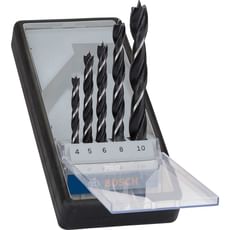
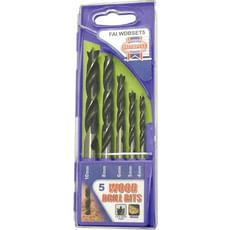
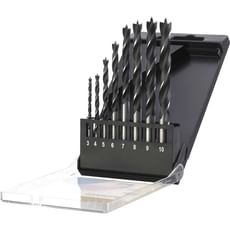
 Loading...
End of content
Error - No more pages to load
About Brad Point Drill Bits
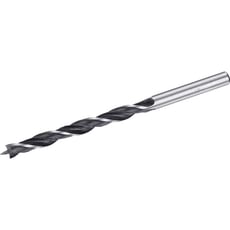
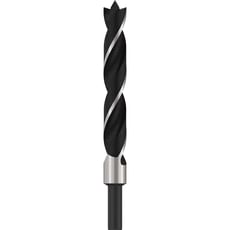
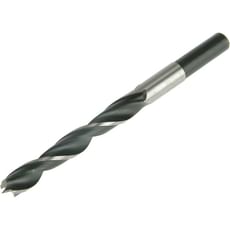
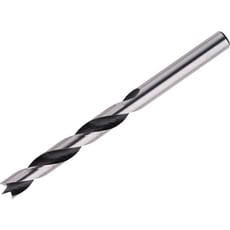
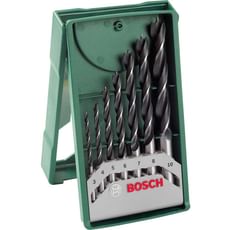
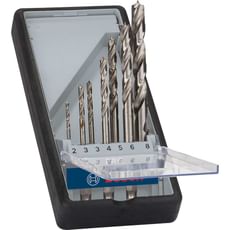
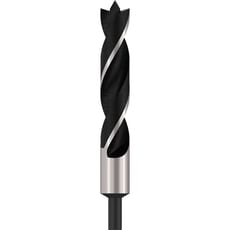
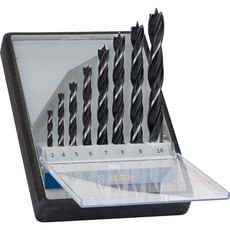
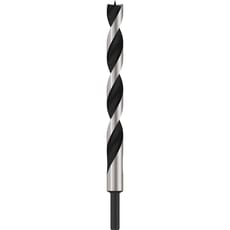
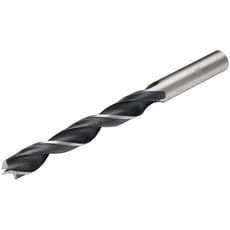
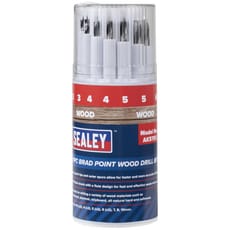
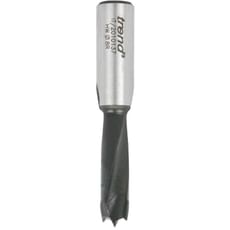
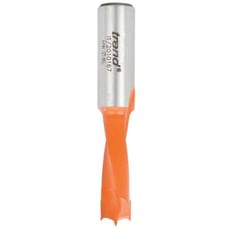
Brad point drill bits, also known as lip and spur bits or dowelling bits, are precision drilling tools specifically designed for accurate work in wood and wood-based materials. Unlike standard twist drill bits, brad point bits feature a sharp central point (the brad) flanked by two raised spurs that score the wood fibres before the cutting edges remove material. This distinctive design prevents the bit from wandering on initial contact, ensuring your holes start exactly where intended – making them indispensable for fine woodworking, joinery, and cabinetmaking where precision is paramount.
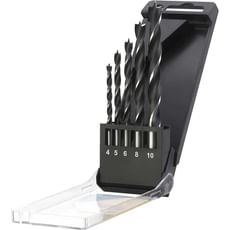
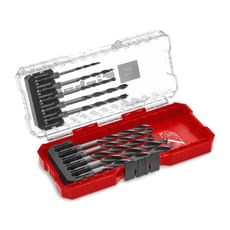
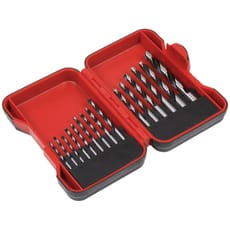
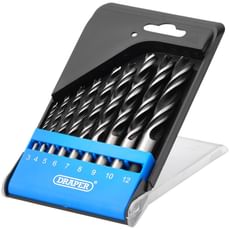
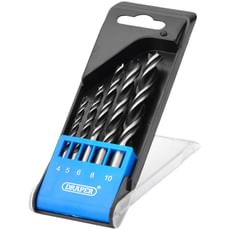
The brad point drill bit range at Tooled-Up.com includes individual bits in sizes from 3mm to 16mm, as well as comprehensive sets from leading manufacturers including Bosch Professional, DeWalt, Makita, Draper, Stanley, and Trend. Whether you need a single replacement bit for occasional DIY projects or a complete professional set for daily site work, you'll find options with both standard round shanks and hex shanks for quick-change chuck systems. Many sets come in durable storage cases to keep your bits organised and protected on the job.
Brad point bits are manufactured from high-speed steel (HSS) or carbon steel, with premium variants featuring special coatings to reduce friction and extend working life. The precision-ground cutting edges and spurs deliver clean entry and exit holes with minimal tear-out or splintering – far superior to standard twist bits when working with hardwoods, softwoods, plywood, MDF, and chipboard.
Jargon Buster
- Brad Point – The sharp central tip that positions the bit precisely on your marked point and prevents wandering during initial contact with the workpiece.
- Spurs (or Nickers) – The two raised cutting edges on either side of the central point that score the wood fibres cleanly before the main cutting edges remove material, reducing tear-out.
- Hex Shank – A six-sided shaft design (typically 6.35mm or 1/4-inch) that prevents slipping in quick-change chuck systems and impact drivers, as opposed to traditional round shanks.
- HSS (High-Speed Steel) – A hardened steel alloy that maintains its cutting edge at high temperatures, providing durability and longevity for professional applications.
- Lip and Spur – An alternative name for brad point drill bits, referring to the outer cutting edges (lips) and scoring points (spurs) that deliver clean, accurate holes.
- Tear-Out – Splintering or rough edges that occur when drill bits exit the workpiece. Brad point bits significantly reduce this problem compared to standard twist bits.
Who Uses Brad Point Drill Bits?
- Joiners and Cabinetmakers – for precision dowel holes, shelf pin holes, and fine furniture assembly
- Carpenters and Chippies – for accurate drilling in door frames, window installations, and timber framing
- Shopfitters – for clean holes in display fixtures, shelving systems, and retail installations
- Staircasing Specialists – for precise balustrade fixings and newel post installations
- Kitchen and Bedroom Fitters – for hinge boring, handle fixings, and unit assembly
- Luthiers and Instrument Makers – for precision work in guitar building and musical instrument construction
- Model Makers and Craftspeople – for detailed work requiring exceptional accuracy
- DIY Enthusiasts – for home improvement projects, furniture building, and decorative woodwork
- Shopkeepers and Production Workshops – for repetitive drilling operations requiring consistency
How to Choose the Right Brad Point Drill Bits
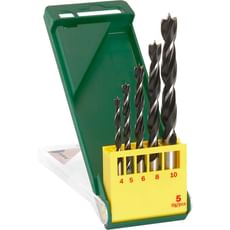
Individual Bits vs. Sets: If you regularly work with wood, a comprehensive set from brands like Bosch Professional or DeWalt offers better value and ensures you have the right size to hand. For occasional use or specific projects, individual bits may suffice. The Tooled-Up range includes 5-piece, 7-piece, 8-piece, and 9-piece sets covering the most commonly used sizes from 3mm to 10mm.
Shank Type: Standard round shanks work with traditional three-jaw chucks on cordless drills and pillar drills. Hex shank variants (available from Bosch and others) are ideal if you use quick-change systems or impact drivers, offering faster bit changes and preventing slippage under load.
Bit Length: Consider the depth of holes you'll be drilling. Standard brad point bits typically range from 60mm to 150mm overall length. For deeper boring operations, look for extended-length variants, though these are less common in brad point design.
Material and Coating: Premium HSS bits from manufacturers like Trend and Makita maintain their edge longer in hardwoods and abrasive materials. Some feature titanium or black oxide coatings that reduce friction and heat build-up, extending bit life significantly – worthwhile for professional tradespeople.
Size Range: The most versatile sets include sizes from 3mm to 10mm in 1mm increments, covering everything from pilot holes to standard screw clearances and dowelling work. Specialist applications may require larger diameters up to 16mm, available as individual bits.
Brand Quality: While budget options from Draper and Einhell suit light DIY use, professional users should consider premium ranges from Bosch Professional, DeWalt, or Irwin, which offer superior steel quality, sharper grinding, and longer working life under daily site conditions.
Popular Accessories
- Drill Bit Storage Cases – indexed cases from Stanley and DeWalt keep your bits organised and protected
- Depth Stops and Collars – adjustable stops ensure consistent hole depths for shelf pins and dowelling
- Centre Punches – create accurate starting points for your brad point to locate
- Forstner Bits – complementary bits for flat-bottomed holes and hinge recesses
- Wood Spade Bits – for larger diameter holes where precision is less critical
- Dowelling Jigs – guide your brad point bits for perfectly aligned dowel joints
- Countersink Bits – create recesses for screw heads after drilling pilot holes
- Drill Bit Sharpeners – restore blunt bits to extend their working life
- Wood Drill Bit Sets – combination sets including brad point, spade, and auger bits
Safety Information
Always wear appropriate eye protection when drilling, as wood chips and dust can cause serious injury. Ensure your workpiece is securely clamped – never hold small pieces by hand whilst drilling. When using brad point bits in pillar drills or drill presses, set appropriate speeds for the material and bit diameter; excessively high speeds can cause overheating and premature wear, whilst also increasing the risk of the bit grabbing.
Sharp bits are safer than blunt ones – dull bits require excessive pressure, increasing the chance of slipping or the bit binding and causing the workpiece to spin. Replace or sharpen bits showing signs of wear. When drilling through-holes, support the underside with scrap wood to prevent tear-out and reduce the risk of the bit grabbing as it breaks through.
Be aware of hidden fixings, nails, or screws in reclaimed timber, as these will instantly damage your brad point bits and can cause dangerous kickback. Disconnect power tools from their electrical supply or remove batteries before changing bits. Follow HSE guidance on dust extraction when drilling wood-based materials, particularly MDF and treated timber, as prolonged exposure to wood dust presents health risks.
Frequently Asked Questions
What's the difference between brad point bits and standard twist drill bits?
Brad point bits feature a sharp central point and two outer spurs that score wood fibres before the cutting edges remove material, resulting in cleaner holes with less wandering and tear-out. Standard twist bits lack these features and tend to drift on initial contact, making them less suitable for precision woodwork. For metal and masonry, twist bits and masonry bits respectively are the correct choice, but for wood, brad point bits deliver superior results.
Can I use brad point drill bits in metal or masonry?
No – brad point bits are designed exclusively for wood and wood-based materials like MDF, plywood, and chipboard. The sharp spurs and point would be instantly damaged by harder materials. For metal, use HSS twist drill bits; for masonry, use dedicated masonry bits with tungsten carbide tips. Using the wrong bit type will damage your equipment and create dangerous situations.
What sizes should I have in my toolkit?
A 7-piece or 8-piece set covering 3mm to 10mm in 1mm increments suits most general woodworking and joinery applications. This range handles pilot holes for screws, dowelling work, and general boring operations. Professional cabinetmakers may also want larger individual bits (12mm, 14mm, 16mm) for specific applications, whilst smaller 2mm bits are occasionally useful for fine detail work.
Why do my brad point bits keep burning the wood?
Burning typically indicates you're drilling too slowly, applying excessive pressure, or using a blunt bit. Increase your drill speed (most cordless drills should be on high speed for wood bits under 10mm), let the bit do the cutting rather than forcing it, and periodically withdraw the bit to clear chips and allow cooling. If burning persists with correct technique, your bit likely needs sharpening or replacing.
Can I sharpen brad point drill bits myself?
Whilst possible with a fine file or dedicated drill bit sharpener, maintaining the correct geometry on the spurs and cutting edges requires care and experience. For occasional users, replacement bits are economical enough that sharpening may not be worthwhile. Professional tradespeople using premium bits daily may invest in a proper sharpening jig or service to extend bit life, particularly for larger, more expensive sizes.