

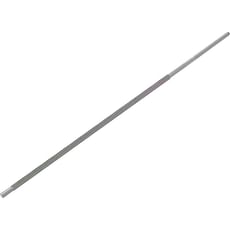
Bahco Chainsaw Files
 Loading...
End of content
Error - No more pages to load
Bahco Chainsaw Files at Tooled-Up.com
Bahco has been a trusted name in professional cutting and sharpening tools since 1886, and their chainsaw files represent the pinnacle of Swedish engineering and precision manufacturing. When it comes to maintaining chainsaw chains for optimal cutting performance and safety, Bahco chainsaw files are the professional's choice. These specialised files are engineered specifically for sharpening chainsaw teeth to exacting standards, ensuring clean, efficient cuts and prolonged chain life.
The Bahco range available from Tooled-Up.com includes round chainsaw files designed to match various chain pitches, along with accompanying file handles and depth gauge tools. Each file is manufactured using high-grade steel with precisely cut teeth that remove material consistently and accurately, maintaining the critical cutting angles that chainsaw chains require. Whether you're a professional arborist sharpening multiple chains daily or a groundskeeper maintaining equipment seasonally, Bahco provides the precision tools needed for professional results.
What distinguishes Bahco chainsaw files from standard round files is their specific tooth pattern and cut, which has been developed through decades of collaboration with forestry professionals and chainsaw manufacturers. This ensures compatibility with all major chainsaw chain brands and delivers the precise material removal needed to restore cutting edges without damaging the tooth profile or depth gauge settings.
Why Choose Bahco Chainsaw Files?
Bahco's reputation in the chainsaw maintenance sector is built on consistent quality and performance. Each file undergoes rigorous quality control to ensure uniform cutting characteristics throughout its working life. The steel used in Bahco chainsaw files is specially hardened to maintain its cutting edge significantly longer than cheaper alternatives, meaning fewer file replacements and more consistent sharpening results across multiple chains.
Professional users choose Bahco because predictability matters when sharpening is part of daily workflow. A Bahco file removes material at a consistent rate, allowing experienced users to maintain their sharpening rhythm and achieve identical results across all teeth. This consistency translates directly to chainsaw performance – properly sharpened chains cut straighter, require less downward pressure, produce uniform chips rather than dust, and significantly reduce operator fatigue and fuel consumption.
The brand's commitment to sustainability also resonates with modern professionals. Bahco's manufacturing processes prioritise longevity and recyclability, with files that can be fully recycled at end of life. For businesses tracking their environmental impact, choosing quality tools that last longer and can be responsibly disposed of represents sound environmental stewardship alongside economic sense.
Who Uses Bahco Chainsaw Files?
- Professional Arborists – Tree surgeons and climbing arborists who depend on sharp chains for safe, efficient work at height
- Forestry Workers – Commercial timber harvesters and forest management professionals processing high volumes of timber
- Groundskeepers and Estate Managers – Professionals maintaining large properties, parks, and country estates
- Landscape Contractors – Businesses offering tree work and vegetation clearance as part of landscaping services
- Local Authority Workers – Council maintenance teams responsible for tree management and public safety
- Agricultural Contractors – Farmers and agricultural workers managing hedgerows, coppicing, and woodland maintenance
- Chainsaw Instructors – Training professionals teaching proper chainsaw maintenance and sharpening techniques
- DIY Enthusiasts – Homeowners with woodburners or wooded properties who use chainsaws regularly
Key Features of Bahco Chainsaw Files
Bahco chainsaw files incorporate several distinctive features that enhance their performance and usability. The tooth geometry is specifically designed for chainsaw chain steel, cutting efficiently without clogging or glazing. This specialised cutting pattern removes material in a controlled manner, creating the smooth, sharp edge required for effective cutting whilst maintaining the correct hook angle.
The files are available in the standard sizes required for different chain pitches, including 4.0mm (5/32"), 4.8mm (3/16"), and 5.5mm (7/32"), ensuring compatibility with everything from small-bore homeowner saws to professional-grade equipment. Each file diameter corresponds to specific chain pitches, and Tooled-Up stocks the complete range to suit all common chainsaw chains available in the UK market.
Bahco's surface hardening treatment ensures the file teeth remain sharp significantly longer than untreated files. This extended working life means professionals can sharpen more chains between file changes, reducing consumable costs and minimising downtime. The files are also designed with consistent diameter throughout their length, allowing effective use of the entire file surface rather than just the middle section.
Ergonomic file handles, where included, feature comfortable grips that reduce hand fatigue during extended sharpening sessions. The handles are designed to maintain the correct filing angle naturally, helping less experienced users achieve professional results whilst providing experienced professionals with the control they need for rapid, accurate sharpening.
Popular Bahco Chainsaw Files
The most frequently specified Bahco chainsaw files at Tooled-Up.com are the 4.8mm (3/16") diameter files, which suit the popular 0.325" pitch chains found on mid-range professional and semi-professional chainsaws. These versatile chains are used extensively by arborists and landscape contractors, making this file size essential for any professional toolkit.
For smaller pitch chains, particularly the 1/4" and .325" low-profile chains common on lightweight and homeowner saws, the 4.0mm (5/32") files are ideal. These files are perfect for users maintaining smaller equipment or working in confined spaces where lighter chainsaws are preferred. Conversely, the 5.5mm (7/32") files are specified for 3/8" pitch chains typically found on larger professional saws used in forestry and demanding cutting applications.
Bahco also offers combination sharpening kits that include the appropriate file size, file handle, depth gauge tool, and guidance for maintaining correct filing angles. These kits are particularly popular with users new to chainsaw maintenance or those wanting a complete, portable sharpening solution for site work where multiple tools might otherwise be forgotten.
Safety and Compliance
Proper chainsaw chain sharpening is not merely about performance – it's a critical safety requirement. The Health and Safety Executive (HSE) emphasises that poorly maintained chainsaw chains significantly increase kickback risk and operator fatigue, both major contributors to chainsaw accidents. Using quality files like those from Bahco helps ensure chains are sharpened correctly, maintaining the manufacturer's specified cutting angles and depth gauge settings that are integral to safe operation.
When sharpening chainsaw chains, always secure the chain properly using a vice or stump vice, wear appropriate eye protection, and work in good lighting. The file should be pushed forward through the tooth in smooth, even strokes using light to moderate pressure – forcing the file or using excessive pressure reduces accuracy and shortens file life. Always file from the inside of the tooth outward, maintaining the manufacturer's specified angle (typically 25-35 degrees depending on chain type).
For professional users subject to HSE regulations, maintaining documentary evidence of equipment maintenance is essential. Keeping records of chain sharpening frequency and file replacement demonstrates compliance with PUWER (Provision and Use of Work Equipment Regulations) requirements for maintaining equipment in safe working order. Using quality, traceable tools from established manufacturers like Bahco supports this documentation process.
Frequently Asked Questions
What size Bahco chainsaw file do I need for my chain?
The correct file size depends on your chain pitch, not your saw model. Check your chain specification: 1/4" and .325" low-profile chains typically use 4.0mm files; .325" standard chains use 4.8mm files; 3/8" chains use 5.5mm files; and .404" chains require 5.5mm or larger. The chain pitch is usually marked on the guide bar or specified in your chainsaw manual.
How long does a Bahco chainsaw file last?
File life depends on usage intensity and sharpening frequency, but Bahco files typically sharpen 5-10 chains before requiring replacement under professional use. You'll know a file needs replacing when it begins to skate across the tooth rather than cutting, or when sharpening requires significantly more strokes to achieve results. Regular cleaning with a file card extends file life considerably.
Can I use a standard round file instead of a chainsaw-specific file?
Standard round files lack the specific tooth pattern and hardness required for chainsaw chain steel. They'll either remove material too aggressively (damaging the tooth profile) or glaze over quickly (becoming ineffective). Bahco chainsaw files are engineered specifically for this application and will deliver significantly better results and longer service life than general-purpose files.
Do Bahco chainsaw files work with all chain brands?
Yes, Bahco files work with all major chainsaw chain manufacturers including Stihl, Husqvarna, Oregon, Carlton, and others. The file size is determined by chain pitch, which is standardised across the industry, so a 4.8mm Bahco file will sharpen any .325" pitch chain regardless of manufacturer. What matters is matching the file diameter to your specific chain pitch.
Should I file every tooth the same number of strokes?
Yes, consistency is crucial for balanced cutting. Count your strokes (typically 3-5 per tooth with a sharp file) and apply the same number to each tooth, maintaining consistent pressure and angle. This ensures all teeth are the same length and sharpness, which is essential for straight cutting and preventing the saw from pulling to one side. Check tooth length periodically and adjust as needed to maintain uniformity.