

Bahco Compass Saws
 Loading...
End of content
Error - No more pages to load
Bahco Compass Saws at Tooled-Up.com
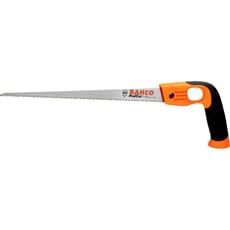
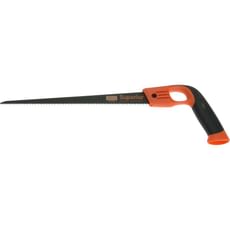
Bahco has been a trusted name in professional cutting tools for over a century, and their compass saws continue this legacy of Swedish engineering excellence. Designed for precision cutting in confined spaces where standard handsaws cannot reach, Bahco compass saws combine exceptional blade quality with ergonomic handle design to deliver outstanding performance across a wide range of applications. Whether you're cutting curves in plasterboard, navigating around pipework, or creating intricate shapes in softwood and hardwood, Bahco compass saws offer the control and accuracy that professional tradespeople demand.
Tooled-Up.com stocks a comprehensive selection of Bahco compass saws, featuring their renowned hardpoint technology and innovative blade designs. Each saw in the Bahco compass range is manufactured to exacting standards, incorporating high-carbon steel blades with precision-ground teeth that maintain sharpness throughout demanding jobs. The distinctive Bahco design philosophy prioritises both cutting efficiency and user comfort, making these tools suitable for extended use on site or in the workshop.
From general-purpose compass saws ideal for cutting drywall and insulation materials, to specialised models featuring tapered blades for tighter radius cuts, the Bahco range available from Tooled-Up represents the perfect balance between traditional craftsmanship and modern manufacturing techniques. These saws are built to withstand the rigours of daily professional use whilst remaining accessible and practical for serious DIY enthusiasts tackling home renovation projects.
Why Choose Bahco Compass Saws?
Bahco's reputation as the inventors of the adjustable spanner in 1892 extends throughout their entire tool range, with compass saws benefiting from over 130 years of metalworking expertise. The brand's commitment to quality is evident in every aspect of their compass saw design, from blade metallurgy to handle ergonomics. Bahco employs advanced heat treatment processes that create blades with optimal hardness and flexibility, ensuring clean cuts without blade buckling or premature wear.
Professional tradespeople choose Bahco compass saws for their exceptional value proposition – these tools deliver premium performance at competitive price points. The brand's focus on practical innovation means their compass saws incorporate features that genuinely improve the user experience, such as three-sided ground teeth for faster cutting, dual-component handles for superior grip, and carefully designed tooth geometry that reduces binding in tight curves. Unlike cheaper alternatives that quickly lose their edge or break under pressure, Bahco compass saws maintain cutting performance throughout their extended service life, making them a sound investment for anyone who regularly works with hand tools.
Who Uses Bahco Compass Saws?
Bahco compass saws are favoured by a diverse range of professionals and skilled tradespeople, including:
- Carpenters and joiners – for precise curved cuts and intricate detailing work in timber
- Plumbers – cutting access holes in floorboards, skirting, and plasterboard around pipework
- Electricians – creating outlet holes and navigating cuts around cable runs
- Drywall installers – cutting plasterboard for electrical boxes and irregular openings
- Kitchen and bathroom fitters – making precise cuts for waste pipes and services
- General builders – versatile cutting tasks across multiple materials on site
- Property maintenance professionals – repair and renovation work requiring controlled cutting
- Serious DIY enthusiasts – home improvement projects demanding professional-quality results
Key Features of Bahco Compass Saws
Bahco compass saws incorporate several distinctive features that elevate them above standard alternatives. The hardpoint tooth technology delivers exceptional cutting performance without requiring resharpening, with precision-ground teeth designed to specific angles for optimal material penetration and waste clearance. This tooth geometry is carefully calculated to provide smooth cutting action whilst minimising the effort required, reducing user fatigue during extended use.
The blade design typically features a tapered profile, narrowing towards the tip to facilitate tight-radius cuts and improved manoeuvrability in confined spaces. High-carbon steel construction ensures the blade maintains its straightness under cutting pressure whilst offering sufficient flexibility to navigate curves without snapping. Many Bahco compass saws feature protective blade coatings that reduce friction and prevent corrosion, extending tool life in demanding site conditions.
Handle ergonomics represent another area where Bahco excels, with dual-component designs incorporating soft-grip materials strategically positioned for maximum comfort and control. The handle geometry is carefully shaped to suit natural hand positions during both push and pull strokes, reducing strain on the wrist and forearm. Many models include a finger guard integrated into the handle design, providing additional safety when working in awkward positions where the free hand may need to steady the workpiece near the cutting line.
Popular Bahco Compass Saws
The Bahco compass saw range encompasses several variations tailored to different applications and user preferences. The standard pattern compass saw remains the most versatile option, featuring a medium-length blade suitable for general-purpose cutting in timber, plasterboard, plastics, and composite materials. These saws typically offer between 8 and 10 teeth per inch (TPI), providing an excellent balance between cutting speed and finish quality.
For specialists requiring greater precision in tight spaces, Bahco offers narrow-blade compass saws with more aggressive taper profiles. These models excel at cutting intricate curves and navigating around obstacles where blade width becomes critical. The tooth configuration on these specialised versions is often optimised for specific materials, with finer teeth for cleaner cuts in finished surfaces and coarser teeth for rapid stock removal.
Bahco's professional-grade compass saws sometimes feature interchangeable blade systems, allowing tradespeople to select the most appropriate blade for each task without carrying multiple complete saws. This versatility makes them particularly popular with mobile tradespeople and site workers who value tool efficiency and weight reduction in their kit bags.
Safety and Compliance
When using Bahco compass saws, adherence to proper safety practices ensures both personal protection and optimal tool performance. Always secure the workpiece firmly before cutting, using clamps or a vice where possible to prevent movement that could cause the blade to bind or slip. Wear appropriate personal protective equipment including safety glasses to protect against sawdust and debris, and work gloves where appropriate, though ensure gloves don't compromise grip or dexterity.
Maintain awareness of what lies beyond your cutting line – particularly when working around electrical cables, plumbing, or structural elements. The HSE recommends using cable detectors and pipe locators before cutting into walls, floors, or concealed spaces. Keep the blade sharp and in good condition; attempting to cut with a worn blade requires excessive force and increases the risk of the saw slipping or binding.
Store Bahco compass saws with blade guards or protective sheaths fitted to prevent accidental contact and protect the teeth from damage. Regular inspection of the handle integrity is essential – ensure the blade remains securely fixed to the handle with no looseness that could compromise control during use. Dispose of worn or damaged blades responsibly, preferably by recycling through appropriate metal waste streams.
Frequently Asked Questions
What materials can I cut with a Bahco compass saw?
Bahco compass saws are designed to cut a wide range of materials including softwoods, hardwoods, plywood, MDF, plasterboard, plastic pipes, laminate flooring, and various composite materials. The hardpoint teeth maintain their edge across different materials, though cutting speed and finish quality vary depending on tooth configuration and material density. For metal cutting, specialised metal-cutting saws are recommended.
Can Bahco compass saw blades be resharpened?
Bahco compass saws typically feature hardpoint teeth that are heat-treated to extreme hardness for long-lasting sharpness. This hardening process makes them extremely difficult to resharpen with conventional files or sharpening tools. The trade-off is extended service life before replacement becomes necessary – these blades typically outlast traditional resharpeable saws by a considerable margin in professional use.
How do I choose the right Bahco compass saw for my needs?
Consider the typical materials you'll be cutting and the space constraints you'll encounter. For general carpentry and building work, a standard compass saw with 8-10 TPI offers excellent versatility. If you regularly work in very confined spaces or need to cut tight curves, opt for a narrow-blade model. Tradespeople who work across multiple disciplines might benefit from interchangeable blade systems available in Bahco's professional ranges.
What's the difference between a compass saw and a keyhole saw?
While the terms are sometimes used interchangeably, keyhole saws typically feature narrower, more tapered blades designed specifically for starting cuts in the middle of panels and cutting very tight curves. Compass saws generally have slightly wider blades suitable for both straight and curved cuts with greater structural rigidity. Bahco produces variations serving both purposes, with blade width and taper being the primary differentiating factors.
How long should a Bahco compass saw last with regular professional use?
With proper care and appropriate use, Bahco compass saws deliver excellent longevity. The hardpoint teeth maintain cutting efficiency significantly longer than traditional carbon steel saws requiring regular sharpening. Professional tradespeople typically report several months to years of regular use before blade replacement becomes necessary, depending on cutting frequency and material hardness. The robust handle construction often outlasts multiple blade replacements in interchangeable systems.