

Black and Decker Sanding Sheets
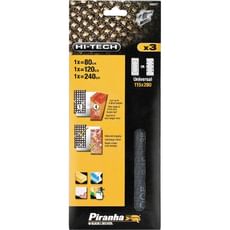
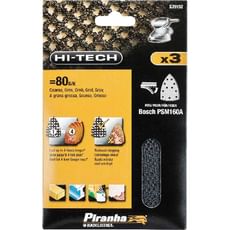
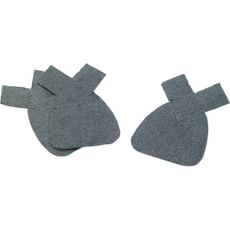
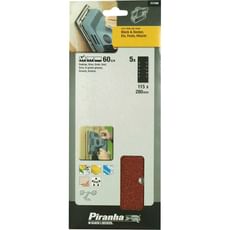
 Loading...
End of content
Error - No more pages to load
Black and Decker Sanding Sheets at Tooled-Up.com
Black and Decker has been a trusted name in power tools and accessories for over a century, and their sanding sheets continue this legacy of quality and reliability. Designed to deliver consistent performance across a wide range of sanding applications, Black and Decker sanding sheets are engineered to work seamlessly with their extensive range of orbital sanders, detail sanders, and multi-sanders. Whether you're tackling furniture restoration, preparing surfaces for painting, or smoothing down woodwork, these abrasive sheets provide the durability and cutting power that professionals and DIY enthusiasts have come to expect from the Black and Decker brand.
The sanding sheet range available from Tooled-Up.com encompasses various grit grades to suit different finishing requirements, from coarse removal through to fine finishing. Black and Decker's commitment to manufacturing accessories that perfectly complement their power tool range means these sheets are designed with precise dimensions and fixing systems that ensure secure attachment and optimal performance. The brand's focus on user convenience is evident in their pre-punched designs that facilitate efficient dust extraction when used with compatible sanders.
Black and Decker sanding sheets are manufactured using high-quality abrasive materials bonded to durable backing papers that resist tearing and premature wear. This construction methodology ensures consistent performance throughout the sheet's lifespan, making them a cost-effective choice for both occasional users and those undertaking larger projects requiring multiple sheet changes.
Why Choose Black and Decker Sanding Sheets?
Black and Decker's reputation for producing reliable, affordable tools extends to their consumable accessories, including sanding sheets. The brand has built its standing on providing professional-quality results at accessible price points, making high-performance sanding solutions available to a broader market. Their sanding sheets are specifically engineered to match the specifications of Black and Decker sanders, ensuring perfect fitment and eliminating the frustration of ill-fitting generic alternatives.
The quality control standards applied to Black and Decker sanding sheets guarantee consistent grit distribution and adhesive bonding, which translates to predictable material removal rates and smooth finishing. This consistency is particularly valuable for tradespeople who need reliable results across multiple jobs. The sheets are designed to resist clogging when working with resinous woods or painted surfaces, extending their working life and maintaining cutting efficiency. Black and Decker's extensive research into abrasive technology has resulted in sheets that balance aggressive material removal with controlled finishing capabilities.
Who Uses Black and Decker Sanding Sheets?
- Joiners and carpenters preparing timber surfaces and finishing joinery work
- Decorators and painters preparing walls, woodwork, and previously painted surfaces
- Furniture restorers requiring various grades for stripping and finishing
- Kitchen fitters preparing installation surfaces and finishing visible panels
- General builders needing versatile sanding solutions for multiple applications
- DIY enthusiasts undertaking home improvement and renovation projects
- Maintenance teams in property management and facilities maintenance
- Shopfitters preparing and finishing retail installation work
Key Features of Black and Decker Sanding Sheets
Black and Decker sanding sheets incorporate several design features that enhance their performance and usability. The precision-cut dimensions ensure exact compatibility with Black and Decker sanders, whilst the pre-punched hole patterns align perfectly with dust extraction ports for efficient debris removal. This integrated approach to dust management not only keeps the work surface visible but also prolongs the sheet's cutting life by preventing particle build-up.
The abrasive grain used in Black and Decker sheets is selected for its sharpness and durability, bonded using advanced resin systems that maintain adhesion under the heat and friction generated during sanding operations. The backing material is engineered to provide the right balance between flexibility and tear resistance, allowing the sheets to conform to contoured surfaces whilst withstanding the stresses of prolonged use.
Available in multiple grit grades ranging from coarse to fine, Tooled-Up stocks Black and Decker sanding sheets suitable for initial stock removal through to final finishing. The colour-coding or clear labelling system makes grit selection straightforward, reducing the risk of using inappropriate grades that could damage workpieces or waste time.
Popular Black and Decker Sanding Sheets
Black and Decker produces sanding sheets in various formats to suit their different sander models. Quarter-sheet sizes are among the most popular, designed for compact orbital sanders that offer excellent control for detailed work. Half-sheet formats cater to larger orbital sanders used for extensive surface preparation. Detail sander sheets, with their distinctive triangular or mouse-shaped profiles, are essential for accessing corners, edges, and intricate profiles that standard sheets cannot reach.
The range typically includes assorted packs containing multiple grit grades, providing excellent value for users who need various finishing stages in a single purchase. These multipacks are particularly popular with furniture restorers and decorators who regularly work through different sanding grades on individual projects.
Safety and Compliance
When using Black and Decker sanding sheets, adherence to HSE guidelines regarding dust control is essential. Always ensure sanders are connected to appropriate dust extraction systems where possible, and wear suitable respiratory protection, particularly when sanding materials that may contain harmful substances. Safety glasses should be worn to protect against airborne particles, and hearing protection is recommended when operating sanders for extended periods.
Ensure sanding sheets are correctly fitted to sanders before operation, with all clips or clamps properly engaged. Damaged or excessively worn sheets should be replaced immediately to maintain optimal performance and prevent potential safety issues. When sanding painted surfaces, be aware of potential lead content in older paints and take appropriate precautions in accordance with COSHH regulations.
Frequently Asked Questions
What grit Black and Decker sanding sheet should I use for different applications?
Use coarse grits (40-60) for initial stock removal and stripping, medium grits (80-120) for general smoothing and preparation work, and fine grits (150-240) for final finishing before painting or varnishing. Extra-fine grits (320+) are ideal for inter-coat sanding of painted or varnished surfaces.
Are Black and Decker sanding sheets compatible with other brands of sanders?
Whilst Black and Decker sheets are optimised for their own sanders, they may fit other brands if dimensions and fixing methods match. However, dust extraction hole patterns may not align with non-Black and Decker models, potentially reducing extraction efficiency.
How long should a Black and Decker sanding sheet last?
Lifespan depends on the material being sanded, grit grade, and pressure applied. Coarser grits typically wear faster due to larger abrasive particles. Signs that a sheet needs replacing include reduced cutting efficiency, visible wear patches, or tearing. Premium-quality Black and Decker sheets generally outlast budget alternatives.
Can I use Black and Decker sanding sheets for wet sanding?
Standard Black and Decker sanding sheets are designed for dry sanding applications. Using them wet may cause the backing paper to disintegrate and the abrasive to detach. For wet sanding applications, specific wet-and-dry abrasive papers should be used instead.
Why do my sanding sheets clog quickly when working with certain materials?
Clogging typically occurs when sanding resinous softwoods, painted surfaces, or materials with high resin content. Using sheets with anti-clog coatings, working at lower speeds, or using coarser grits can help. Regular cleaning of the sheet surface with a cleaning stick can also extend usable life.