

Bosch Professional Damp Meters
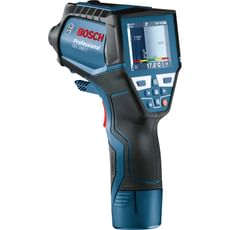
 Loading...
End of content
Error - No more pages to load
Bosch Professional Damp Meters at Tooled-Up.com
Bosch Professional has established itself as a leading manufacturer of precision measurement tools, and their range of damp meters exemplifies the German engineering excellence that professionals have come to expect. These sophisticated instruments combine accuracy, durability, and ease of use to deliver reliable moisture detection across a wide variety of materials and applications. Whether identifying hidden water damage, checking drying progress after flood remediation, or verifying material moisture content before installation, Bosch Professional damp meters provide the dependable readings that tradespeople and building professionals require.
The Bosch Professional damp meter range available from Tooled-Up.com incorporates advanced sensor technology and intuitive interfaces designed for real-world site conditions. Built to withstand the rigours of daily professional use, these instruments feature robust housings, clear displays, and ergonomic designs that make them practical tools for demanding environments. From basic pin-type moisture meters for quick spot checks to sophisticated multi-mode detection devices, Bosch Professional offers solutions for every moisture assessment requirement.
Complementing their renowned power tool portfolio, Bosch Professional's measuring instruments maintain the same commitment to quality and innovation. Their damp meters integrate seamlessly into professional workflows, providing fast, accurate results that help prevent costly mistakes and ensure work meets the highest standards of quality and compliance.
Why Choose Bosch Professional Damp Meters?
Bosch Professional has built a reputation spanning over 135 years for producing tools that professionals trust on site every day. Their damp meters embody this heritage through meticulous engineering, rigorous testing, and practical design informed by real-world feedback from tradespeople. The brand's commitment to precision measurement means these instruments deliver consistent, repeatable readings that professionals can rely upon for critical decision-making.
One of the distinguishing factors of Bosch Professional damp meters is their advanced calibration and sensor technology. Unlike cheaper alternatives that may provide inconsistent readings or deteriorate quickly, Bosch instruments maintain their accuracy over extended periods, even under challenging site conditions. The robust construction protects sensitive electronics from dust, impacts, and moisture exposure, whilst ergonomic designs reduce fatigue during extended use.
Bosch Professional also provides comprehensive technical support and documentation, ensuring users can maximise the capabilities of their equipment. The brand's extensive research and development investment translates into innovative features such as non-invasive scanning modes, material-specific calibration settings, and integrated data logging capabilities that streamline documentation and reporting requirements.
Who Uses Bosch Professional Damp Meters?
Bosch Professional damp meters serve a diverse range of professionals across the construction, restoration, and property maintenance sectors:
- Building Surveyors - conducting pre-purchase inspections and condition assessments
- Damp Specialists - diagnosing moisture ingress and monitoring remediation effectiveness
- Plasterers - verifying substrate moisture levels before applying finishes
- Flooring Contractors - ensuring screed and subfloor moisture content meets installation specifications
- Insurance Loss Adjusters - documenting water damage extent for claims processing
- Property Restoration Professionals - tracking drying progress after flood or leak incidents
- Maintenance Managers - monitoring building fabric condition in commercial and residential properties
- Timber Frame Specialists - checking moisture content in structural timber and cladding
- Decorators - confirming surfaces are sufficiently dry before painting or papering
- General Builders - troubleshooting damp issues and preventing moisture-related failures
Key Features of Bosch Professional Damp Meters
Bosch Professional incorporates numerous advanced features into their damp meter range that enhance usability, accuracy, and versatility. Pin-type moisture meters utilise replaceable electrode pins that penetrate material surfaces to measure electrical resistance, providing precise readings at specific depths. Non-invasive scanning modes employ electromagnetic fields to detect moisture without damaging decorative finishes or creating penetration points.
Material-specific calibration settings account for the varying electrical properties of different substrates, from timber and plaster to concrete and screed. This ensures accurate readings regardless of the material being tested. LED or LCD displays provide clear readouts even in poor lighting conditions, whilst traffic light indication systems offer at-a-glance assessment of moisture levels against recommended thresholds.
Ergonomic housing designs incorporate protective rubber grips and impact-resistant casings that withstand drops and knocks on busy sites. Auto power-off functions preserve battery life, whilst hold buttons freeze readings for recording in difficult positions. Some models feature integrated data logging capabilities and connectivity options that facilitate digital documentation and reporting, streamlining administrative requirements for professional users.
Popular Bosch Professional Damp Meters
Tooled-Up stocks the key models from the Bosch Professional damp meter range, each designed for specific applications and user requirements. The compact pin-type moisture meters offer portability and simplicity for straightforward moisture checks, making them ideal for general builders and decorators who need quick verification before proceeding with work.
Multi-function detection devices combine moisture measurement with other scanning capabilities, such as metal and live wire detection, providing comprehensive substrate analysis in a single instrument. These versatile tools prove particularly valuable for renovation work where hidden services and structural elements must be located before cutting or drilling.
Professional-grade damp meters with extended measurement ranges and enhanced accuracy serve specialists requiring detailed moisture profiling for remediation projects or forensic investigations. These instruments often include advanced features such as adjustable measurement depth settings, material-specific algorithms, and data export functionality that supports comprehensive reporting requirements.
Safety and Compliance
Bosch Professional damp meters comply with relevant UK and European standards for measuring instruments and electrical safety. When using pin-type moisture meters, users should ensure electrode pins are in good condition and properly installed to maintain measurement accuracy and prevent injury. Always inspect instruments before use and replace damaged components immediately.
When working in properties where live electrical circuits may be present, take appropriate precautions to avoid contact with energised conductors. Multi-function detectors with live wire detection capabilities should be tested against a known live source before relying on their indication. Follow the HSE guidelines for electrical safety when working in potentially hazardous environments.
Battery-powered operation eliminates risks associated with 240V mains power, making Bosch Professional damp meters inherently safer for use in damp conditions. However, users should still observe proper protocols when working in wet environments, including appropriate personal protective equipment and adherence to COSHH regulations where applicable.
Frequently Asked Questions
How accurate are Bosch Professional damp meters?
Bosch Professional damp meters typically provide accuracy within ±1-2% moisture content when used correctly on calibrated materials. Accuracy depends on proper calibration for the specific material being tested, electrode condition, and correct measurement technique. Regular verification against known standards helps maintain optimal accuracy throughout the instrument's service life.
What's the difference between pin-type and non-invasive moisture meters?
Pin-type meters insert electrodes into the material surface to measure electrical resistance, providing precise readings at specific depths but leaving small holes. Non-invasive meters scan from the surface using electromagnetic fields, allowing moisture detection without damage but typically measuring a broader area with slightly less precision. Many professionals use both methods for comprehensive moisture assessment.
Can Bosch Professional damp meters detect moisture behind tiles or plaster?
Non-invasive scanning modes can detect elevated moisture levels behind surface finishes such as tiles, plaster, and panelling to depths typically ranging from 20-40mm depending on the model and material density. However, these readings are indicative rather than quantitative. For precise moisture content measurement, pin-type readings through or behind the surface covering are required.
How often should Bosch Professional damp meters be calibrated?
Bosch Professional damp meters should be verified periodically against known moisture content standards, particularly if used frequently or exposed to harsh conditions. Whilst factory calibration is robust, checking readings against calibrated test blocks or materials with known moisture content every 6-12 months ensures continued accuracy. If readings seem inconsistent or the instrument has been dropped or damaged, verification should be performed immediately.
What moisture content readings indicate a damp problem?
For timber, readings above 20% moisture content generally indicate excessive dampness requiring investigation, whilst readings below 12-15% are typically acceptable for internal joinery. For masonry and plaster, interpretation depends on the material type and environmental conditions, but readings in the "wet" zone (typically above 70-80 on relative scales) warrant further investigation. Always consider readings in context with environmental conditions and the material's expected equilibrium moisture content.