

Bulldog Bars
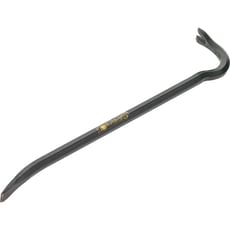
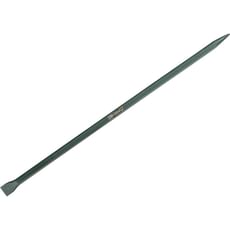
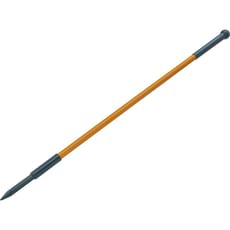
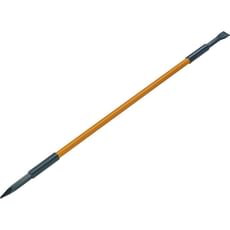
 Loading...
End of content
Error - No more pages to load
Bulldog Bars at Tooled-Up.com
Bulldog has established itself as a trusted name in British tool manufacturing, and their range of bars exemplifies the brand's commitment to robust construction and practical design. From wrecking bars and crowbars to pry bars and pinch bars, the Bulldog collection available at Tooled-Up.com represents decades of engineering expertise tailored specifically for UK tradespeople and demanding DIY applications. Each bar in the range is manufactured to withstand the rigours of professional site work, combining high-grade materials with ergonomic design principles.
The Bulldog approach to bar manufacturing prioritises durability and functionality above all else. These tools are forged from hardened and tempered steel, ensuring they maintain their integrity even under extreme leverage forces. Whether you're undertaking demolition work, lifting heavy objects, or removing stubborn fixtures, Bulldog bars deliver the strength and reliability that professionals depend on. The range encompasses various lengths and profiles to suit different applications, from compact pry bars for tight spaces to heavy-duty wrecking bars for major demolition projects.
Tooled-Up stocks the comprehensive Bulldog bars collection, ensuring tradespeople and DIY enthusiasts can access these quality tools with the convenience of next-day delivery options. Each bar features carefully designed striking heads, bevelled edges, and nail pullers where appropriate, demonstrating Bulldog's attention to the practical details that make the difference on site.
Why Choose Bulldog Bars?
Bulldog's reputation in the UK tool market stems from over a century of manufacturing experience, and this heritage is evident in every bar they produce. The brand understands the British tradespeople's needs, designing tools that can withstand the demanding conditions of UK construction sites, renovation projects, and demolition work. Unlike cheaper alternatives that bend, chip or break under stress, Bulldog bars are heat-treated to precise specifications, ensuring consistent performance throughout their working life.
The value proposition of Bulldog bars extends beyond mere durability. These tools offer exceptional leverage ratios, meaning less effort is required to achieve maximum force – a crucial consideration during extended periods of use. The striking heads are designed to absorb hammer blows without mushrooming, whilst the bevelled working ends provide multiple contact points for different applications. Many professional contractors consider Bulldog bars an investment rather than an expense, with tools often lasting decades when properly maintained.
Furthermore, Bulldog maintains rigorous quality control standards throughout their manufacturing process, with each bar undergoing inspection before leaving the factory. This commitment to consistency means tradespeople can rely on uniform performance across their toolkit, whether purchasing a replacement or expanding their collection.
Who Uses Bulldog Bars?
Bulldog bars are the tools of choice for a diverse range of professionals and enthusiasts:
- Demolition contractors who require robust wrecking bars for structural dismantling and material removal
- Carpenters and joiners using pry bars and nail pullers for formwork removal and precision dismantling
- Builders and general contractors needing reliable crowbars for lifting, levering and positioning heavy materials
- Scaffolders employing pinch bars for adjusting and aligning framework components
- Groundworkers utilising heavy-duty bars for lifting inspection covers and moving kerbstones
- Property maintenance professionals requiring versatile bars for various renovation and repair tasks
- DIY enthusiasts undertaking home improvement projects demanding professional-grade leverage tools
- Salvage and reclamation specialists carefully dismantling architectural features and fixtures
Key Features of Bulldog Bars
Bulldog bars incorporate several distinctive features that elevate them above standard alternatives. The forged steel construction provides superior strength compared to cast or pressed alternatives, with the grain structure of the metal aligned to resist bending and fracture. Each bar undergoes heat treatment to achieve optimal hardness – hard enough to resist deformation, yet with sufficient toughness to absorb impact without brittle failure.
The working ends of Bulldog bars feature precision-ground bevels that maintain their edge geometry even after prolonged use. These bevels are angled to maximise penetration into gaps and joints whilst providing multiple fulcrum points for different leverage applications. Many models incorporate hexagonal shaft profiles that prevent rolling when placed on sloped surfaces – a simple but invaluable feature on active building sites.
Ergonomic considerations are evident throughout the range, with carefully calculated lengths that balance leverage advantage against manoeuvrability. The striking heads are proportioned to provide substantial mass for hammer blows whilst maintaining overall tool balance. Surface finishes typically include corrosion-resistant treatments, ensuring longevity even in damp conditions or when stored in site toolboxes exposed to the elements.
Popular Bulldog Bars
The Bulldog bars range at Tooled-Up encompasses several popular categories designed for specific applications. Wrecking bars, available in lengths from 300mm to 1800mm, represent the heavy-duty end of the spectrum, featuring both straight and curved profiles for different demolition requirements. These substantial tools provide the leverage needed for major structural work, with reinforced striking heads that withstand repeated hammer blows.
Crowbars and pry bars offer more refined control for precision work, with slimmer profiles that access restricted spaces whilst still delivering substantial leverage. These typically range from 250mm to 600mm and are particularly popular with carpenters and renovation specialists. Pinch bars, featuring tapered working ends and rolling heads, provide the specialised functionality required for controlled lifting and precise positioning of heavy objects.
Nail pullers and cat's paw bars represent the more specialised end of the range, designed specifically for removing fixings with minimal surface damage – essential tools for preservation work and careful dismantling projects.
Safety and Compliance
When using Bulldog bars, adherence to Health and Safety Executive (HSE) guidelines is essential. These powerful leverage tools demand respect and proper technique to prevent injury. Always ensure stable footing before applying force, and position your body to avoid being in the path of sudden movement should the bar slip or the material give way unexpectedly. Wear appropriate personal protective equipment including safety glasses, protective gloves, and steel-toe-capped boots.
Inspect bars before each use for signs of damage, particularly mushrooming of striking heads, bending of shafts, or chips in working edges. Damaged bars should be withdrawn from service immediately as they may fail unpredictably under load. When using bars for striking applications, ensure bystanders maintain a safe distance and that the work area is clear of trip hazards.
Bulldog bars conform to relevant British and European standards for hand tools, ensuring they meet established safety and performance criteria. Store bars properly when not in use, keeping them clean and dry to maintain their corrosion resistance and ensuring they're readily identifiable within your toolkit.
Frequently Asked Questions
What's the difference between a crowbar and a wrecking bar?
Whilst the terms are often used interchangeably, crowbars typically refer to lighter, straight bars with a flattened curved end for prying, whilst wrecking bars are heavier-duty tools, often featuring a curved profile along their length and a more substantial construction designed for demolition work. Bulldog manufactures both types, with wrecking bars offering greater leverage for heavy-duty applications.
How do I maintain my Bulldog bars?
Clean bars after use to remove debris and moisture, then apply a light coating of oil to prevent corrosion. Store in a dry location. If striking heads begin to mushroom, carefully grind away the deformed metal to prevent dangerous fragments breaking off during use. The working ends can be resharpened if they become rounded, though Bulldog's heat treatment ensures they maintain their edge far longer than softer alternatives.
What length wrecking bar should I choose?
Length selection depends on your typical applications and available working space. Longer bars (900mm-1800mm) provide maximum leverage for heavy demolition work but require more space to operate. Medium lengths (450mm-750mm) offer the best balance of leverage and manoeuvrability for general construction work. Shorter bars (300mm-400mm) excel in confined spaces. Many professionals at Tooled-Up purchase multiple lengths for different scenarios.
Are Bulldog bars suitable for professional daily use?
Absolutely. Bulldog bars are engineered specifically for professional tradespeople who demand reliable performance day after day. The hardened and tempered steel construction, combined with Bulldog's quality control standards, ensures these tools withstand the rigours of daily site work. Many contractors report Bulldog bars lasting for decades of professional use, making them excellent value despite the initial investment.
Can Bulldog bars be used for lifting heavy objects safely?
Bulldog bars can be used for levering and positioning heavy objects, but they should never be used as a substitute for proper lifting equipment rated for the load. When using bars for leverage, ensure you have stable footing, use appropriate technique, and never exceed the reasonable capacity of the tool. For loads requiring more than manual leverage, use mechanical lifting equipment in accordance with HSE lifting operations regulations.