

DeWalt Circular Saw Blades








 Loading...
End of content
Error - No more pages to load
DeWalt Circular Saw Blades at Tooled-Up.com
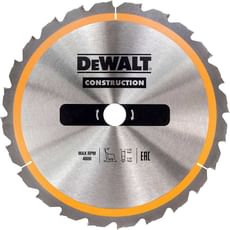
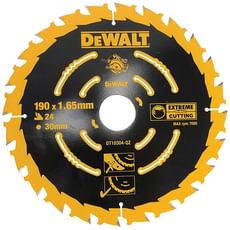
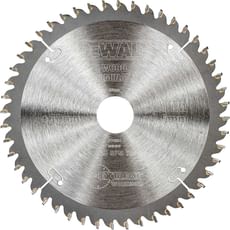
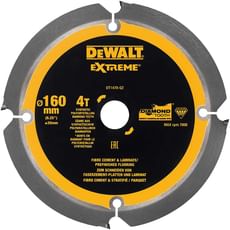
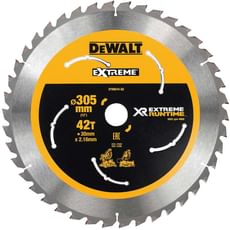
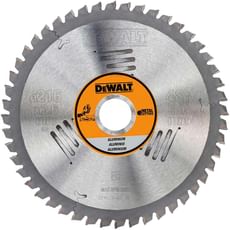
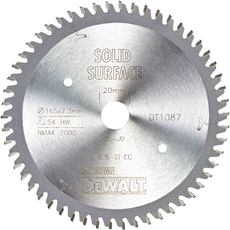
DeWalt has earned its reputation as one of the most trusted names in professional power tool accessories, and their circular saw blades exemplify the brand's commitment to durability, precision, and performance. Engineered specifically to complement DeWalt's renowned circular saw range, these blades deliver exceptional cutting performance across a wide variety of materials including timber, laminate, plywood, and even masonry applications. Whether you're a professional tradesperson undertaking demanding site work or a dedicated DIY enthusiast tackling home improvement projects, DeWalt circular saw blades are designed to provide consistent, clean cuts whilst maintaining their edge through extended use.
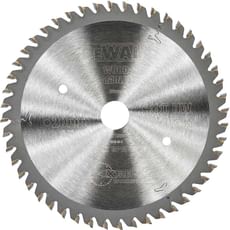
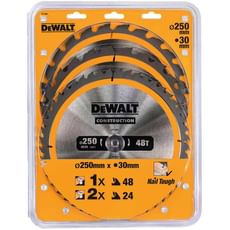
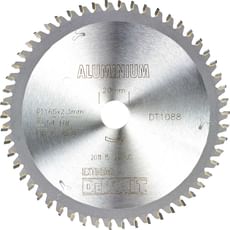
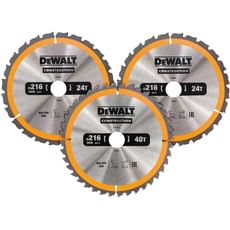
The DeWalt circular saw blade range available from Tooled-Up.com encompasses various tooth configurations, diameters, and bore sizes to suit different cutting applications and circular saw models. From fine-finish crosscutting blades with high tooth counts to aggressive rip-cutting blades designed for rapid material removal, DeWalt offers purpose-engineered solutions for every cutting requirement. Their construction-grade blades feature tungsten carbide-tipped teeth that maintain sharpness far longer than standard steel alternatives, reducing downtime and replacement costs on busy job sites.
DeWalt's approach to circular saw blade design focuses on real-world performance under the toughest conditions. Many of their blades incorporate advanced features such as laser-cut expansion slots to reduce vibration and heat build-up, anti-kickback shoulders for enhanced safety, and precisely ground teeth that deliver cleaner cuts with minimal splintering. This attention to detail ensures that professionals can rely on DeWalt blades to deliver consistent results throughout their working day, project after project.
Why Choose DeWalt Circular Saw Blades?
DeWalt's heritage in professional construction tools spans decades, and this experience directly informs their accessory design. DeWalt circular saw blades are manufactured to exacting tolerances, ensuring true running with minimal wobble even at high speeds. This precision translates to straighter cuts, reduced motor strain, and longer blade life. The brand's reputation amongst tradespeople means that choosing DeWalt blades provides confidence in both performance and longevity, reducing the frustration of premature blade failure or poor cutting quality.
The tungsten carbide tips used throughout DeWalt's blade range are brazed using high-temperature processes that create exceptionally strong bonds, preventing tooth loss even when cutting through demanding materials containing hidden fixings or abrasive content. Furthermore, DeWalt formulates different carbide grades for specific applications, optimising hardness and toughness depending on whether the blade is designed for timber, engineered boards, or construction materials. This material science expertise ensures each blade performs optimally within its intended application.
Value represents another compelling reason to choose DeWalt circular saw blades. Whilst not positioned as budget accessories, their extended working life and consistent performance mean lower cost-per-cut compared to cheaper alternatives that require frequent replacement. For professionals, this translates to fewer interruptions, reduced downtime, and ultimately better productivity across the working week.
Who Uses DeWalt Circular Saw Blades?
- Carpenters and joiners requiring precision cuts in various timber species and sheet materials
- Construction and building professionals working with structural timber, plywood, and construction boards
- Roofing contractors cutting battens, fascias, and roofing boards on site
- Shop fitters and retail installation specialists needing clean, splinter-free cuts in display materials
- Kitchen and bathroom fitters working with laminated worktops and moisture-resistant boards
- General builders and maintenance contractors requiring versatile cutting solutions for varied materials
- Decking installers cutting composite and natural timber decking boards
- DIY enthusiasts and home improvers seeking professional-quality results from their circular saws
- Groundwork and landscaping professionals using circular saws for timber structures and edging
Key Features of DeWalt Circular Saw Blades
Tungsten Carbide Tipped (TCT) Teeth: DeWalt circular saw blades feature premium-grade tungsten carbide tips that maintain cutting edge sharpness significantly longer than standard steel teeth, particularly when cutting abrasive materials or engineered boards containing adhesives and resins.
Laser-Cut Expansion Slots: Precision-cut expansion slots allow the blade body to expand during operation as temperatures rise, maintaining blade flatness and reducing vibration. This technology minimises blade wander and ensures straighter, more accurate cuts throughout extended use.
Anti-Kickback Design: Many DeWalt circular saw blades incorporate anti-kickback shoulders behind each tooth, limiting the depth of cut per tooth and significantly reducing the risk of dangerous kickback incidents, particularly important when cutting dense hardwoods or binding materials.
Application-Specific Tooth Geometry: DeWalt engineers different tooth configurations for specific materials—alternate top bevel (ATB) teeth for crosscutting, flat-top grind (FTG) for ripping, and triple-chip grind (TCG) for laminates and abrasive materials. This specialisation ensures optimal performance for each cutting task.
Hardened Steel Plate Bodies: The blade bodies themselves are manufactured from specially formulated steel alloys that resist warping and maintain flatness even after repeated heating and cooling cycles, ensuring consistent performance throughout the blade's working life.
Precision Ground Teeth: Each carbide tip is precision-ground to exacting specifications, ensuring uniform tooth height and cutting angle. This attention to detail delivers smoother cuts with reduced tear-out and splintering, particularly important when cutting expensive finish-grade materials.
Popular DeWalt Circular Saw Blades
Extreme Runtime Framing Blades: Designed specifically for construction-grade timber cutting, these blades feature aggressive tooth geometry and extra-tough carbide formulations that power through structural timber, pressure-treated wood, and material containing embedded grit without dulling prematurely. Ideal for carpenters and framers undertaking high-volume cutting tasks.
Fine Finish Crosscutting Blades: With higher tooth counts (typically 48-60 teeth on 190mm blades), these blades are engineered for finish carpentry, trim work, and any application where cut quality matters. The increased number of teeth produces remarkably smooth cuts with minimal splintering, reducing the need for edge sanding or finishing.
Multi-Material Construction Blades: Versatile blades designed to cut multiple materials without blade changes—particularly useful on varied construction sites. These feature specially formulated carbide and tooth geometry that handles timber, plywood, and even light metals, making them popular with general builders and maintenance contractors.
Cordless Circular Saw Optimised Blades: Specifically engineered for use with DeWalt's 18V cordless circular saws, these blades feature thinner kerf designs that reduce cutting resistance, maximising cuts per battery charge whilst maintaining cutting quality. The reduced power requirement makes them ideal for site work where battery runtime is critical.
Extreme Framing Blades for Nail-Embedded Wood: Purpose-built for demolition work and renovation projects where hidden fixings are encountered regularly, these blades feature ultra-tough carbide formulations that withstand impacts from nails and screws that would chip or damage standard blades.
Safety and Compliance
DeWalt circular saw blades are manufactured to comply with relevant UK and European safety standards, including BS EN 847 which specifies safety requirements for woodworking cutting tools. All blades feature clearly marked maximum safe operating speeds, and users must ensure these ratings exceed the no-load speed of their circular saw to prevent dangerous blade failure.
Proper blade installation is critical for safe operation. Always ensure the saw is disconnected from power (remove battery pack or unplug 240V models) before changing blades. Verify that the blade's bore size matches the saw's arbor exactly, and always use the appropriate blade washers and arbor nut, tightening securely but avoiding over-tightening which can distort the blade or damage the arbor.
Personal protective equipment remains essential when using circular saws regardless of blade quality. Safety glasses or goggles protect against flying debris, whilst hearing protection guards against prolonged exposure to high noise levels. Dust masks or respirators should be worn when cutting materials that produce fine dust, particularly engineered boards containing formaldehyde-based adhesives.
Regular blade inspection helps maintain both safety and performance. Examine blades for missing, damaged, or excessively worn carbide tips before each use. Blades showing cracks, warping, or other damage must be retired immediately as they present serious safety hazards. Clean resin and pitch build-up regularly using appropriate blade cleaning solutions to maintain cutting performance and prevent overheating.
Frequently Asked Questions
How do I choose the right DeWalt circular saw blade for my application?
Blade selection depends primarily on material type and desired cut quality. For rough construction cutting in structural timber, choose lower tooth count blades (24-40 teeth) with aggressive geometry for faster cutting. For finish work, crosscutting, or sheet materials, select higher tooth count blades (48-60 teeth) that produce smoother cuts with less splintering. For varied work, multi-material blades offer versatility without constant blade changes. Always ensure the blade diameter and bore size match your circular saw specifications.
Can I use DeWalt circular saw blades with other brands of circular saws?
Yes, provided the blade diameter, bore size, and maximum speed rating are compatible with your saw. DeWalt circular saw blades use standard bore sizes (typically 30mm for larger blades, 20mm or 16mm for smaller models) and will fit any circular saw with matching specifications. However, ensure the blade's maximum RPM rating exceeds your saw's no-load speed, and verify that any blade features such as thin kerf designs are suitable for your saw's power output.
How long do DeWalt circular saw blades typically last?
Blade longevity depends on usage intensity, materials cut, and maintenance practices. Under typical professional use cutting clean softwood and sheet materials, quality DeWalt TCT blades can last several months of daily use. Cutting abrasive materials, pressure-treated timber, or encountering hidden fixings will reduce lifespan. Signs requiring blade replacement include noticeably increased cutting effort, burn marks on cut edges, excessive splintering, or visible carbide tip damage. Regular cleaning and proper storage significantly extend blade life.
What's the difference between thin kerf and standard kerf DeWalt blades?
Kerf refers to the width of cut the blade produces. Thin kerf blades (typically 1.5-2.0mm) remove less material, requiring less power and producing less waste. They're particularly beneficial for cordless circular saws where reduced cutting resistance extends battery runtime. Standard kerf blades (2.4-3.0mm) are more robust and maintain rigidity better during demanding cuts, making them preferable for high-power 240V corded saws and heavy-duty applications. Choose thin kerf for cordless tools and fine work, standard kerf for demanding corded applications.
Do DeWalt circular saw blades require any special maintenance?
Regular cleaning represents the most important maintenance task. Resin, pitch, and adhesive build-up on teeth and blade body causes increased friction, overheating, and poor cut quality. Clean blades periodically using purpose-made blade cleaning solutions or alkaline degreasers, scrubbing gently with a brass wire brush. Avoid harsh abrasives that might damage carbide tips. Store blades in protective cases or hanging positions to prevent damage to cutting edges. Never use damaged or excessively worn blades as they compromise both safety and cutting performance. Professional sharpening services can extend blade life once cutting performance noticeably deteriorates.