

DeWalt Mixing Drills
 Loading...
End of content
Error - No more pages to load
DeWalt Mixing Drills at Tooled-Up.com
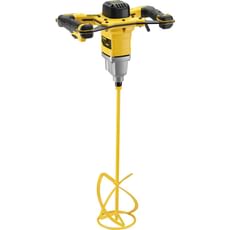
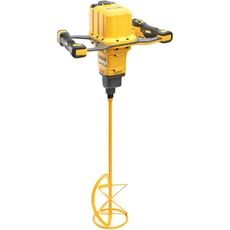
DeWalt has earned its reputation as a powerhouse in professional power tools, and their mixing drills exemplify the brand's commitment to durability and performance under demanding site conditions. Engineered specifically for high-torque applications, DeWalt mixing drills are designed to handle the rigorous demands of mixing heavy materials such as plaster, cement, paint, adhesives, and screed with consistent reliability. Whether you're a professional plasterer working on large-scale commercial projects or a tradesperson requiring dependable equipment for renovation work, DeWalt's mixing drill range delivers the power and control needed to get the job done efficiently.
What sets DeWalt mixing drills apart is their robust construction and thoughtful engineering. These tools feature powerful motors capable of handling thick, heavy mixes without bogging down, whilst maintaining smooth operation that reduces user fatigue during extended use. The range available at Tooled-Up encompasses both corded 240v models for continuous power on-site and cordless options utilising DeWalt's XR battery technology for enhanced runtime and portability. Each mixing drill is built with heavy-duty gearing and reinforced housings to withstand the challenging environments typical of construction and renovation work.
DeWalt understands that mixing applications demand more than just raw power – they require precise speed control and stability. Their mixing drills incorporate variable speed triggers and often feature two-speed gearboxes, allowing tradespeople to match the rotation speed to the specific material being mixed. This level of control, combined with auxiliary handles for two-handed operation and anti-rotation clutches for user safety, makes DeWalt mixing drills a trusted choice across the construction industry.
Why Choose DeWalt Mixing Drills?
DeWalt's reputation in the mixing drill category stems from decades of experience manufacturing tools for professional tradespeople who cannot afford downtime or equipment failure. The brand's mixing drills are engineered with industrial-grade components that can withstand the stresses of mixing dense materials day after day. DeWalt's rigorous testing protocols ensure each tool meets exacting standards for power output, thermal management, and mechanical durability.
One significant advantage of choosing DeWalt is the extensive support network and parts availability throughout the UK. Should maintenance or repairs be required, authorised service centres and genuine spare parts are readily accessible. Additionally, DeWalt's comprehensive warranty coverage provides peace of mind for professional users making significant equipment investments. The brand's commitment to backwards compatibility within their battery platforms means that tradespeople can share batteries across multiple DeWalt cordless tools, reducing both costs and the number of chargers needed on site.
DeWalt continually innovates within the mixing drill category, incorporating features such as electronic motor protection to prevent overload damage, improved ergonomics to reduce strain during prolonged use, and enhanced dust sealing to extend tool life in harsh environments. This focus on real-world performance improvements, informed by feedback from working tradespeople, ensures DeWalt mixing drills evolve to meet the changing demands of modern construction work.
Who Uses DeWalt Mixing Drills?
DeWalt mixing drills are the tool of choice for a diverse range of professionals and serious DIY enthusiasts who demand reliable performance:
- Plasterers and Drylining Specialists – mixing plaster, joint compound, and finishing materials for walls and ceilings
- Painters and Decorators – preparing large quantities of paint, primers, and textured coatings
- Tilers – mixing tile adhesive, grout, and levelling compounds for floor and wall installations
- Bricklayers and Stonemasons – preparing mortar and cement mixes for construction projects
- Floor Layers and Screeding Contractors – mixing self-levelling compounds and screed materials
- General Builders and Contractors – versatile mixing requirements across multiple trades on site
- Maintenance and Facilities Professionals – property upkeep and renovation work requiring reliable mixing equipment
- Restoration Specialists – preparing specialist materials for heritage and restoration projects
Key Features of DeWalt Mixing Drills
DeWalt mixing drills incorporate several distinctive features that enhance their performance and usability in demanding applications:
High-Torque Motors: DeWalt equips their mixing drills with powerful motors designed specifically for low-speed, high-torque operation. This ensures consistent performance even when mixing thick, heavy materials that would overload lesser tools.
Variable Speed Control: Precision speed control allows users to start mixing at lower speeds to prevent splashing, then increase rpm as materials blend, providing better control and cleaner working conditions.
Two-Speed Gearboxes: Many DeWalt mixing drills feature dual-speed gearboxes, offering flexibility to switch between higher speeds for lighter materials and lower speeds with maximum torque for dense mixes.
M14 Threading: Industry-standard M14 threaded connections ensure compatibility with a wide range of mixing paddles and attachments, providing versatility across different applications.
Auxiliary Handles: Robust side handles with multiple mounting positions allow for comfortable two-handed operation and better control, particularly important when working with heavy mixes that create significant rotational force.
Electronic Motor Protection: Built-in overload protection monitors motor temperature and current draw, automatically shutting down the tool before damage occurs, which extends service life significantly.
Anti-Rotation Clutch: Safety clutches detect sudden binding or paddle obstruction and automatically disengage, protecting the user from potentially dangerous kickback.
Sealed Switches and Housings: Enhanced sealing protects internal components from dust and moisture ingress, crucial when working in construction environments where airborne particles are prevalent.
Popular DeWalt Mixing Drills
The DeWalt mixing drill range at Tooled-Up caters to different power requirements and working environments:
240v Corded Mixing Drills: These workhorses provide continuous power for all-day mixing tasks without concern for battery life. Ideal for site work where mains power is readily available, corded models typically offer the highest power output and are preferred for the heaviest mixing applications. DeWalt's corded mixing drills feature robust 240v motors with high wattage ratings, ensuring they can handle bucket after bucket of material without overheating.
XR Cordless Mixing Drills: For locations without convenient mains access or where cable management is problematic, DeWalt's cordless mixing drills utilising XR battery technology offer impressive runtime and power. The XR battery platform provides extended capacity, meaning fewer battery changes during the working day. These cordless models are particularly valued by plasterers and decorators working in occupied buildings or on upper floors where running extension leads is impractical.
Compact Mixing Drills: For lighter-duty mixing tasks and improved portability, DeWalt offers more compact models that balance power with manoeuvrability. These are suitable for mixing smaller quantities of materials or for tradespeople who need to transport tools between multiple job sites daily.
Safety and Compliance
DeWalt mixing drills are manufactured to comply with relevant UK and European safety standards, including appropriate CE marking and conformity with BS EN electrical safety regulations. When operating any mixing drill, users should observe proper Health and Safety Executive (HSE) guidelines for power tool use.
Essential safety practices include wearing appropriate personal protective equipment (PPE) such as safety glasses to protect against splashing materials, dust masks when mixing dry compounds, and ensuring secure footing when operating these powerful tools. The auxiliary handle should always be fitted and used for two-handed operation, providing maximum control and stability.
Before use, always inspect the mixing paddle for damage and ensure it is securely threaded onto the tool's M14 connection. Never exceed the maximum paddle diameter specified for your particular model, as oversized paddles can create dangerous torque reactions. When mixing, start at low speed and gradually increase, keeping the paddle fully submerged to prevent splashing and air entrainment in the mix.
Regular maintenance, including checking cable condition on corded models, ensuring ventilation slots remain clear of debris, and having tools serviced according to manufacturer recommendations, helps maintain both performance and safety throughout the tool's working life.
Frequently Asked Questions
What's the difference between a mixing drill and a standard drill?
Mixing drills are specifically engineered for low-speed, high-torque applications. Unlike standard drills designed for high-speed drilling and driving, DeWalt mixing drills feature more robust gearing, powerful motors optimised for continuous low-rpm operation, and safety features like anti-rotation clutches. They also have M14 threaded spindles designed for mixing paddles rather than drill chucks.
Can I use DeWalt XR batteries from other tools with cordless mixing drills?
Yes, one of the major advantages of DeWalt's XR system is battery interchangeability across the platform. If you already own DeWalt XR cordless tools, your existing batteries will work with DeWalt cordless mixing drills, provided they match the voltage rating. This compatibility significantly reduces investment costs and simplifies battery management on site.
What size mixing paddle can I use with DeWalt mixing drills?
Paddle size capacity varies by model and is specified in the tool's documentation. Generally, more powerful mixing drills can handle larger paddles (up to 140mm or 160mm diameter), whilst compact models are rated for smaller paddles. Always check your specific model's maximum paddle diameter – using oversized paddles can create dangerous torque reactions and may damage the tool's gearing.
Are DeWalt mixing drills suitable for mixing resin and epoxy?
Yes, DeWalt mixing drills are versatile enough to handle a wide range of materials beyond traditional building compounds. Their variable speed control makes them excellent for mixing resins, epoxies, adhesives, and other specialist materials. The ability to start at very low speeds prevents air entrainment and splashing, which is particularly important when working with chemical compounds that require thorough, bubble-free mixing.
How do I maintain my DeWalt mixing drill for longest service life?
Regular maintenance includes cleaning the tool's exterior after each use to remove material residue, ensuring ventilation slots remain clear for proper motor cooling, and checking that the paddle thread remains clean and undamaged. For corded models, inspect cables regularly for wear or damage. Store the tool in a dry location, and if used infrequently, run it periodically to keep internal components exercised. For cordless models, follow proper battery care procedures including avoiding complete discharge and storing batteries at appropriate charge levels.