

DeWalt OMT Roofing Blades
 Loading...
End of content
Error - No more pages to load
DeWalt OMT Roofing Blades at Tooled-Up.com
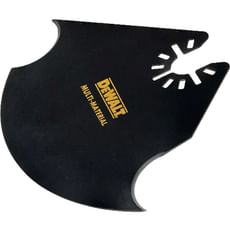
DeWalt's range of OMT (Oscillating Multi-Tool) roofing blades represents a professional-grade solution for demanding roofing applications. Engineered specifically for cutting through the toughest roofing materials including felt, bitumen, shingles, and asphalt, these precision-manufactured blades deliver exceptional performance where standard cutting tools simply cannot compete. DeWalt has applied decades of experience in power tool accessories to create roofing blades that combine aggressive cutting action with extended durability, making them the go-to choice for professional roofers and contractors across the UK.
Designed to fit DeWalt oscillating multi-tools as well as most universal OMT systems, these roofing blades feature advanced tooth geometries and heat-treated construction that maintains cutting efficiency even through abrasive materials. The DeWalt selection at Tooled-Up.com includes specialised profiles optimised for different roofing tasks, from precision cuts in confined spaces to aggressive material removal during roof renovation and replacement projects.
Whether tackling new installations, repairs, or complete roof refurbishments, DeWalt OMT roofing blades provide the reliability and performance that professionals demand. Their universal fitment design ensures compatibility across multiple tool platforms, whilst maintaining the exacting quality standards that have made DeWalt a trusted name on building sites throughout the country.
Why Choose DeWalt OMT Roofing Blades?
DeWalt has established an exceptional reputation within the roofing and construction sectors through consistent innovation and unwavering quality standards. Their OMT roofing blades benefit from advanced metallurgy and precision manufacturing processes that significantly extend blade life compared to economy alternatives. The heat-treated steel construction resists the premature dulling that occurs when cutting through abrasive roofing materials, ensuring each blade maintains its cutting aggression throughout its working life.
Professional tradespeople choose DeWalt roofing blades for their predictable performance under demanding conditions. The engineered tooth patterns provide efficient material removal whilst minimising vibration and tool strain, resulting in cleaner cuts and reduced operator fatigue during extended use. DeWalt's quality control processes ensure consistency across every blade, eliminating the performance variations that can plague lesser brands and disrupt workflow on time-sensitive roofing projects.
The investment in genuine DeWalt blades pays dividends through reduced downtime, fewer blade changes, and superior cut quality that minimises additional finishing work. DeWalt stands behind their accessories with robust warranty support and comprehensive technical resources, providing the confidence that professional contractors require when specifying tools and consumables for demanding applications.
Who Uses DeWalt OMT Roofing Blades?
- Professional Roofers: Specialists requiring reliable cutting performance for felt, bitumen, and roofing membrane applications
- General Contractors: Building professionals undertaking roof repairs and renovations as part of broader construction projects
- Maintenance Teams: Property maintenance personnel performing emergency repairs and routine roofing maintenance
- Restoration Specialists: Heritage building professionals working on traditional roofing systems requiring precision cutting
- Construction Companies: Larger firms specifying standardised tooling across roofing crews for consistency and efficiency
- Self-Builders: DIY enthusiasts tackling their own roofing projects who demand professional-quality results
- Insurance Repair Contractors: Specialists performing damage assessment and emergency weather-related repairs
Key Features of DeWalt OMT Roofing Blades
DeWalt OMT roofing blades incorporate several distinctive features that enhance their performance in specialist roofing applications. The heat-treated steel construction provides exceptional resistance to the rapid wear caused by abrasive roofing materials, significantly extending operational life compared to standard oscillating tool blades. This thermal treatment process also maintains blade rigidity during aggressive cutting, preventing the flexing and deflection that can compromise cut accuracy.
The engineered tooth geometry on DeWalt roofing blades is optimised specifically for the fibrous and composite nature of modern roofing materials. Unlike general-purpose blades, these specialised profiles provide aggressive material engagement whilst clearing debris efficiently to prevent clogging and overheating. The universal fitment system ensures secure mounting across multiple oscillating tool platforms, eliminating the blade slippage that can occur with poorly designed accessory systems.
Advanced manufacturing precision ensures consistent tooth spacing and cutting angles across the entire blade profile, delivering uniform cutting performance throughout the blade's working width. The corrosion-resistant finish protects against the moisture exposure inherent in roofing work, preventing rust formation that can compromise cutting efficiency and contaminate roofing materials during installation.
Popular DeWalt OMT Roofing Blades
The DeWalt range available from Tooled-Up features several specialised roofing blade configurations designed for specific applications. Straight-edge roofing blades excel at making long cuts through roofing felt and membrane materials, providing clean edges that facilitate proper sealing and overlap during installation. These blades typically feature aggressive tooth patterns optimised for rapid material removal during roof stripping and renovation work.
Plunge-cut roofing blades enable precise starter holes and cutouts for roof penetrations such as vents, flues, and services. Their reinforced design withstands the lateral forces encountered during plunge cutting through multiple roofing layers, whilst maintaining cut accuracy essential for proper flashing installation. Multi-material roofing blades combine tooth configurations suitable for cutting through both roofing materials and the timber substrates beneath, reducing the need for blade changes during complex roofing repairs.
Carbide-enhanced variants provide extended life when working with particularly abrasive modern roofing membranes and composite materials, making them ideal for contractors undertaking large-scale commercial roofing projects where blade longevity directly impacts project economics.
Safety and Compliance
When using DeWalt OMT roofing blades, adherence to Health and Safety Executive (HSE) guidelines for power tool use is essential. Always ensure the oscillating tool is completely powered down and, where applicable, the battery removed before changing blades. Wear appropriate personal protective equipment including safety glasses, work gloves, and respiratory protection when cutting roofing materials, as many produce harmful dust and fibres during cutting operations.
Ensure blades are correctly fitted and fully secured within the tool's mounting system before commencing work. Regularly inspect blades for damage, excessive wear, or missing teeth that could cause dangerous blade failure during operation. Working at height during roofing applications requires additional precautions including proper scaffolding, edge protection, and fall arrest systems in accordance with the Work at Height Regulations 2005.
DeWalt OMT roofing blades meet relevant UK and European safety standards for oscillating tool accessories. Always follow the manufacturer's guidance regarding appropriate blade selection for specific materials, and never exceed the tool's maximum rated speed. Proper blade selection and maintenance significantly reduces the risk of kickback, blade breakage, and loss of cut control that can lead to serious injury.
Frequently Asked Questions
Are DeWalt OMT roofing blades compatible with other brands of oscillating tools?
Yes, DeWalt OMT roofing blades feature a universal fitment system that is compatible with most major oscillating multi-tool brands including Bosch, Makita, Milwaukee, and Fein. However, always verify compatibility with your specific tool model before purchase, as some older or specialist tools may require brand-specific accessories.
How long do DeWalt roofing blades typically last?
Blade life varies considerably depending on the materials being cut and cutting technique employed. When used correctly on appropriate roofing materials, DeWalt roofing blades typically outlast economy alternatives by 50-100%. Heat-treated construction and optimised tooth geometry contribute to extended operational life, though cutting through heavily contaminated or embedded materials will accelerate wear.
Can DeWalt OMT roofing blades cut through roof timbers as well as roofing materials?
Whilst DeWalt roofing blades are optimised primarily for roofing materials like felt, bitumen, and membranes, many can handle occasional cuts through thin roof battens and sarking boards. For extensive timber cutting, dedicated wood-cutting OMT blades will provide better performance and longer life. Multi-material blades offer a compromise for applications requiring both roofing and timber cutting capabilities.
What's the difference between standard OMT blades and roofing-specific blades?
Roofing-specific OMT blades feature heat-treated construction and aggressive tooth geometries engineered to handle the abrasive, fibrous nature of roofing materials. Standard blades dull rapidly when used on felt, bitumen, and modern roofing membranes. Roofing blades also typically feature enhanced corrosion resistance to withstand the moisture exposure inherent in roofing applications.
Do I need different DeWalt roofing blades for different roofing materials?
Whilst many DeWalt roofing blades offer versatile performance across multiple roofing materials, optimal results are achieved by matching blade type to application. Felt and traditional materials work well with standard aggressive-tooth roofing blades, whilst modern synthetic membranes and composite materials benefit from carbide-enhanced variants that resist the accelerated wear these abrasive materials cause.