

DeWalt Staples
 Loading...
End of content
Error - No more pages to load
DeWalt Staples at Tooled-Up.com
DeWalt has established itself as a cornerstone brand in the fastening industry, and their range of staples exemplifies the company's commitment to manufacturing consumables that match the durability and precision of their power tools. When you're using a DeWalt stapler or nailer on site, you need fasteners that feed reliably, drive consistently, and hold securely – and that's exactly what DeWalt staples deliver. Engineered to exacting standards and rigorously tested for compatibility with DeWalt fastening tools, these staples ensure minimal jamming, maximum productivity, and professional results across diverse applications.
The comprehensive selection available from Tooled-Up includes staples in various crown widths, leg lengths, and gauges to suit different materials and fixing requirements. Whether you're securing upholstery, installing insulation, fastening roofing felt, attaching wire mesh, or fixing plasterboard, there's a DeWalt staple specification designed for that exact purpose. Each staple is manufactured from hardened steel wire to provide the strength needed for secure fixing whilst maintaining the correct degree of flex to prevent brittle fractures during installation.
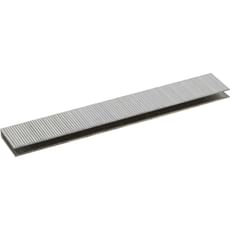
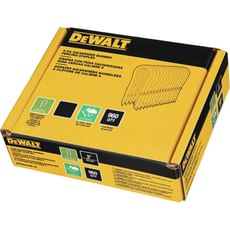
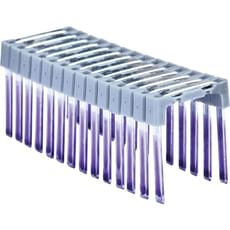
DeWalt staples are supplied in precisely collated strips that feed smoothly through compatible magazine systems, reducing downtime and keeping your workflow uninterrupted. The packaging clearly identifies staple dimensions and compatible tool models, making it straightforward to select the correct fasteners for your specific DeWalt nailer or stapler. This attention to detail in both product and presentation reflects DeWalt's understanding of what tradespeople need on busy job sites.
Why Choose DeWalt Staples?
DeWalt's reputation for reliability extends from their power tools to their consumables, and their staples are manufactured to the same exacting standards that professionals have come to expect from the brand. Each staple undergoes stringent quality control to ensure consistent dimensions, proper collation, and optimal hardness – factors that directly impact feed reliability and holding power. When you're working to tight deadlines, the last thing you need is a fastener that jams your tool or fails to drive home properly, and DeWalt staples are engineered specifically to eliminate these frustrations.
The galvanised and stainless steel options within the DeWalt staples range provide corrosion resistance for external applications and humid environments, protecting your fixings from rust and degradation over time. This longevity is particularly important for applications like roofing, fencing, and exterior cladding where moisture exposure is inevitable. DeWalt's metallurgy expertise ensures that protective coatings are applied uniformly and adhere properly, providing lasting protection without compromising the staple's ability to drive cleanly through materials.
Compatibility is another cornerstone of the DeWalt staples offering. These fasteners are designed and tested specifically for use with DeWalt pneumatic and cordless stapling tools, ensuring optimal performance and reducing the risk of tool damage from incompatible consumables. This brand-matched approach gives tradespeople confidence that their equipment and fasteners will work in harmony, maintaining warranty coverage and maximising tool lifespan.
Who Uses DeWalt Staples?
DeWalt staples are trusted by a diverse range of trades and applications across the UK construction and refurbishment sectors:
- Carpenters and joiners for securing backing materials, upholstery tacks, and temporary fixings during installation work
- Roofers for fastening roofing felt, breathable membranes, and insulation materials to timber substrates
- Upholsterers requiring reliable fabric and foam attachment with minimal visibility of fixings
- Electricians for securing cables, trunking, and low-voltage wiring to timber frameworks
- Fencing contractors using galvanised staples for wire mesh and chain-link fence installation
- Insulation installers fastening vapour barriers, insulation batts, and foil-backed boards
- Shopfitters and exhibition stand builders requiring quick, clean fixings for temporary and permanent installations
- DIY enthusiasts tackling home improvement projects from furniture restoration to garden structures
Key Features of DeWalt Staples
Precise Collation: DeWalt staples are collated with exceptional accuracy, ensuring smooth feeding through magazine systems and reducing the jamming issues that plague inferior fasteners. The adhesive used to bond staple strips is formulated to maintain integrity during transport and storage whilst releasing cleanly during firing.
Hardened Steel Construction: Manufactured from quality steel wire that's hardened to optimal specifications, DeWalt staples provide the penetration power needed to drive through tough materials whilst maintaining structural integrity. The controlled hardening process ensures staples neither bend excessively nor become so brittle they shatter on impact.
Corrosion Protection: Galvanised and stainless steel options offer protection against rust and corrosion in demanding environments. The galvanisation process provides a zinc coating that sacrifices itself to protect the underlying steel, whilst stainless steel staples deliver superior corrosion resistance for coastal and chemical environments.
Range of Specifications: Available in various crown widths (typically from narrow crown 6mm to wide crown 12mm), leg lengths (from 6mm to 40mm+), and wire gauges to suit different substrates and holding requirements. This comprehensive specification range ensures there's a DeWalt staple for virtually any fastening application.
Clear Identification: Packaging clearly displays staple dimensions, quantity, and compatible DeWalt tool models, eliminating guesswork and ensuring you purchase the correct fasteners for your equipment. This clear labelling saves time and prevents costly ordering errors.
Popular DeWalt Staples
Narrow Crown Staples: With crown widths around 6mm, these staples are ideal for finish carpentry, trim work, and upholstery where minimal visibility of the fixing is important. The narrow crown reduces the footprint whilst still providing adequate holding power for lighter materials.
Wide Crown Staples: Featuring crown widths of 10-12mm, these heavy-duty staples are designed for structural applications like insulation fastening, roofing felt, and wire mesh installation. The wider crown distributes load across a greater surface area, preventing pull-through on softer materials.
Galvanised Staples: Zinc-coated for corrosion resistance, these are the workhorses for general construction, roofing, and external applications where moisture exposure is likely but extreme corrosion resistance isn't required. The galvanisation provides excellent protection at an economical price point.
Stainless Steel Staples: For coastal environments, exterior hardwood installations, and chemically aggressive conditions, stainless steel staples provide superior corrosion resistance. Whilst more expensive than galvanised options, they're essential where rust staining or fastener failure would compromise the installation.
Chisel Point Staples: Featuring sharpened tips that pierce materials rather than pushing through them, chisel point staples drive more easily into harder substrates and reduce the risk of splitting in timber applications. This design is particularly beneficial when working near board edges.
Safety and Compliance
When using DeWalt staples with pneumatic or cordless fastening tools, adherence to HSE guidelines for powered fastening equipment is essential. Always wear appropriate eye protection when operating stapling tools, as ricochets and material splinters can cause serious injury. Ensure the work area is clear of other personnel before firing, and never point a loaded stapler at yourself or others, even when disconnected from power or air supply.
DeWalt staples meet relevant British and European standards for fastener dimensions and material specifications, ensuring compatibility with properly maintained tools. Store staples in dry conditions to prevent corrosion, particularly for non-galvanised varieties, and inspect fasteners before use for signs of rust, deformation, or collation damage that could cause feeding problems or tool malfunction.
When selecting staples for specific applications, consider the material being fastened and the substrate receiving the staple. Using excessively long staples risks breakthrough and potential injury, whilst staples that are too short may not provide adequate holding power. Consult DeWalt's compatibility charts and the Tooled-Up product specifications to ensure you're selecting appropriate fasteners for your intended application and tool model.
Disposal of unused or damaged staples should follow your local authority's guidelines for metal waste. Loose staples represent a puncture hazard and should be collected carefully and disposed of responsibly, never left on work surfaces or floors where they could cause injury.
Frequently Asked Questions
Are DeWalt staples compatible with other brands of staplers?
Whilst staples are often interchangeable between brands if dimensions match exactly, DeWalt staples are specifically engineered and tested for use with DeWalt fastening tools. Using non-brand fasteners in DeWalt tools (or vice versa) may affect performance, increase jamming, and could potentially void warranty coverage. For optimal reliability and to maintain warranty protection, use DeWalt staples in DeWalt tools.
What's the difference between narrow crown and wide crown staples?
Crown width refers to the distance between the two legs of the staple – essentially how wide the top 'bridge' is. Narrow crown staples (around 6mm) leave a smaller visible footprint and are preferred for finish work and upholstery. Wide crown staples (10-12mm) distribute holding force over a larger area, making them better suited for softer materials like insulation, roofing felt, and housewrap where a narrow crown might pull through.
How do I know which staple length to use?
As a general rule, staple legs should penetrate at least 12-15mm into the substrate for secure fixing. For example, when fastening 3mm roofing felt to timber, a staple with 15-20mm legs would be appropriate. Always consider both the thickness of the material being fastened and the depth of penetration needed in the base material. Consult DeWalt's application guides or the technical specifications at Tooled-Up for recommended leg lengths for specific applications.
Can I use galvanised staples for all applications?
Galvanised staples provide good corrosion resistance for most general construction and external applications in typical UK conditions. However, for coastal environments, contact with treated timber, or areas with chemical exposure, stainless steel staples offer superior corrosion resistance. For internal, dry applications, standard steel staples are often sufficient and more economical.
Why do staples sometimes jam in my tool?
Jamming can result from several factors: using damaged or corroded staples, incorrect staple specification for your tool model, debris in the magazine, or worn feed mechanisms in the tool itself. Always use fresh DeWalt staples stored in dry conditions, ensure you're using the correct staple type for your specific tool model, and regularly clean your stapler's magazine and feed mechanism according to the manufacturer's maintenance schedule.