

Draper Continuity & Circuit Testers
 Loading...
End of content
Error - No more pages to load
Draper Continuity & Circuit Testers at Tooled-Up.com
Draper Tools has earned its reputation as one of Britain's most trusted names in professional testing equipment, and their continuity and circuit testers exemplify the brand's commitment to accuracy, reliability, and value. For electricians, maintenance engineers, and serious DIY enthusiasts who need dependable electrical testing tools, Tooled-Up.com stocks a comprehensive selection of Draper continuity and circuit testers designed to meet UK electrical standards and satisfy the demands of professional tradespeople.
From simple pocket-sized continuity testers for quick checks to sophisticated multi-function circuit testers with voltage detection and polarity testing capabilities, the Draper range covers the essential testing requirements for both domestic and commercial electrical work. Each tester is engineered to handle 240V mains testing safely whilst providing clear, unambiguous readings that professionals can trust. Whether you're fault-finding on existing installations, verifying new circuits before energising, or conducting routine maintenance checks, Draper's testing instruments deliver the performance and durability that UK tradespeople have come to expect from this established British brand.
The breadth of Draper's continuity and circuit tester range reflects decades of listening to electricians and understanding the practical challenges they face on site. These aren't over-engineered tools with unnecessary features – they're focused, practical instruments that do exactly what's needed, reliably and affordably. The robust construction means they'll survive the rigours of the tool bag and the building site, whilst intuitive designs ensure even apprentices can quickly learn to use them correctly and safely.
Why Choose Draper Continuity & Circuit Testers?
Draper has been manufacturing tools in the UK for over a century, and this heritage translates into testing equipment that understands British electrical installations. Their continuity and circuit testers are specifically designed around UK wiring standards, 240V mains systems, and the testing requirements set out by the IET Wiring Regulations (BS 7671). This means you're not working with equipment designed for different international standards – you're using tools optimised for British electrical work.
The value proposition is compelling. Draper manages to deliver professional-grade performance at price points that won't break the budget, making these testers accessible to self-employed tradespeople, small electrical contractors, and maintenance departments alike. Yet despite the competitive pricing, Draper doesn't compromise on safety features. Their testers incorporate appropriate fusing, insulated probes with finger guards, and clear voltage rating markings to help prevent misuse and protect the operator.
Reliability is another cornerstone of the Draper reputation. These testers are built to provide consistent, accurate readings shift after shift, year after year. For electricians whose reputation depends on getting the diagnosis right first time, that consistency matters. The brand's extensive dealer network and responsive customer service also mean support is available when needed, backed by Draper's comprehensive warranty coverage.
Who Uses Draper Continuity & Circuit Testers?
- Electricians and Electrical Contractors – For installation testing, fault-finding, and verification work on domestic and commercial properties
- Maintenance Engineers – Conducting routine electrical checks on machinery, control panels, and building services
- Facilities Management Teams – Performing regular electrical safety inspections and troubleshooting problems in commercial buildings
- Appliance Repair Technicians – Testing circuits and components in white goods and domestic appliances
- Automotive Electricians – Checking continuity in vehicle wiring looms and electrical systems
- Building Services Engineers – Testing heating controls, lighting circuits, and HVAC electrical components
- DIY Enthusiasts – Safely checking electrical circuits before undertaking home improvement work
- Apprentice Electricians – Learning proper testing procedures with reliable, affordable equipment
Key Features of Draper Continuity & Circuit Testers
Draper's continuity testers typically feature clear audible and visual indicators, making it instantly obvious when a continuous circuit path exists. LED indicators and buzzer alerts mean you can keep your eyes on the work whilst testing, improving efficiency and safety. Compact designs slip easily into pockets or tool pouches, ensuring a tester is always to hand when needed without adding bulk to your kit.
The circuit testers in the range offer voltage detection across the full spectrum of UK electrical systems, from low-voltage control circuits through to 240V mains supplies. Many models include polarity checking functionality, essential for verifying correct wiring connections, and live/neutral/earth indication to quickly identify conductor functions. Robust probe construction with insulated shafts and shrouded tips meets current safety standards whilst allowing access to terminal blocks and tight spaces.
Battery efficiency is another practical consideration where Draper excels. Many models use readily available AAA or AA batteries and incorporate automatic shut-off features to preserve battery life. Some designs employ battery-free operation for continuity testing, using the circuit's own resistance to generate indication – particularly useful when batteries fail at inconvenient moments.
The housings are constructed from impact-resistant plastics that can withstand drops onto hard surfaces, whilst textured grips prevent the tester slipping from gloved hands. Clear labelling and intuitive control layouts mean minimal fumbling when you're working in awkward positions or poor lighting conditions – common realities of electrical work.
Popular Draper Continuity & Circuit Testers
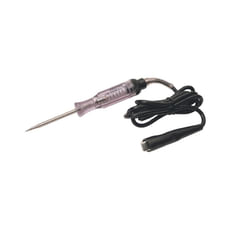
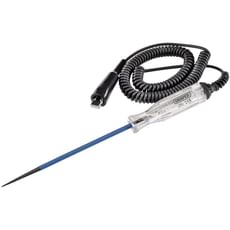
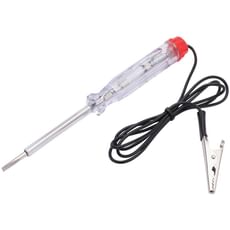
Browse the Draper selection at Tooled-Up to find continuity testers ranging from simple two-probe designs perfect for basic cable and component checking, through to more sophisticated models with extended probe leads for testing at distance. Pocket continuity testers are particularly popular with electricians who need frequent access to a compact testing solution throughout the working day.
Multi-function circuit testers represent excellent value, combining continuity testing with voltage detection and polarity checking in a single instrument. These versatile tools reduce the number of individual testers you need to carry, streamlining your kit without compromising capability. Socket testers provide instant verification of 13A socket wiring, quickly identifying common faults like reversed polarity or missing earth connections – essential for installation testing and periodic inspection work.
Voltage detection pens with continuity functions offer a slim profile ideal for working in confined spaces like consumer units and junction boxes, whilst two-pole testers with voltage and continuity capabilities serve as reliable workhorses for general electrical work. Draper's range ensures there's an appropriate tester for every application and budget.
Safety and Compliance
All Draper continuity and circuit testers sold through Tooled-Up meet relevant UK and European safety standards, including appropriate EN specifications for electrical test equipment. These standards govern insulation ratings, probe design, voltage withstand capabilities, and marking requirements, ensuring the tools provide adequate protection when used correctly.
However, no tester can eliminate risk entirely – safe working practices remain essential. Always verify equipment is suitable for the voltage and environment you're working in, inspect testers before use for damage to probes or housings, and never rely solely on a circuit tester to confirm isolation. Follow proper isolation procedures including switching off, locking off, and using proven voltage indicators before commencing work on electrical installations, in accordance with HSE guidance and BS 7671 requirements.
Replace damaged probes or leads immediately rather than attempting repairs, and be aware of the limitations of your testing equipment. Basic continuity testers are not substitutes for comprehensive installation testing with calibrated multimeters and insulation resistance testers. Use the right tool for each testing requirement, and ensure anyone using electrical test equipment has received appropriate training in safe testing procedures.
Frequently Asked Questions
Can Draper continuity testers be used on live circuits?
Continuity testing must only be performed on de-energised circuits – the tester itself generates the test current. However, many Draper circuit testers combine continuity testing with voltage detection functions, allowing you to first verify a circuit is live, safely isolate it, then perform continuity checks. Always confirm isolation using a proven voltage indicator before continuity testing.
What's the difference between a continuity tester and a circuit tester?
A continuity tester checks for a complete electrical path in a de-energised circuit, useful for finding breaks in cables or verifying connections. A circuit tester (or voltage tester) detects the presence of voltage in live circuits and may also check polarity and earth connections. Many Draper models combine both functions in one instrument, offering greater versatility for electrical work.
Are Draper testers suitable for professional electrical work?
Yes, Draper continuity and circuit testers are designed for trade use and meet appropriate safety standards for professional applications. However, they're intended for basic testing and fault-finding. For certification work and comprehensive installation testing to BS 7671 requirements, you'll need calibrated multifunction testers with insulation resistance and earth loop impedance testing capabilities.
How do I know if my Draper tester is working correctly?
For continuity testers, test by touching the probes together – you should get a clear indication (buzzer and/or LED). For voltage testers, test on a known live source like a socket outlet (ensuring safe use of the tester). Many electricians use a proving unit – a battery-powered device that generates a test voltage to verify voltage detectors are functioning before and after use.
What voltage ratings do Draper circuit testers cover?
The Tooled-Up Draper range includes testers suitable for various applications, from low-voltage control circuits through to 240V mains testing. Always check the voltage rating marked on your specific tester and never use equipment on circuits exceeding its rated voltage. Most models designed for UK electrical work are rated for 240V phase-to-neutral testing, appropriate for domestic and commercial mains installations.