

Draper Darbys & Feather Edges
 Loading...
End of content
Error - No more pages to load
Draper Darbys & Feather Edges at Tooled-Up.com
Draper Tools has established itself as a cornerstone of the British tool industry, and their range of darbys and feather edges exemplifies the brand's commitment to delivering professional-grade plastering tools for tradespeople and serious DIY enthusiasts. These essential levelling and smoothing tools are manufactured to exacting standards, ensuring plasterers can achieve perfectly flat surfaces on walls and ceilings with precision and consistency.
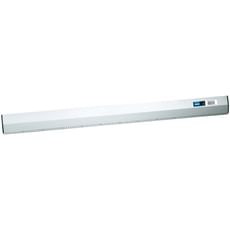
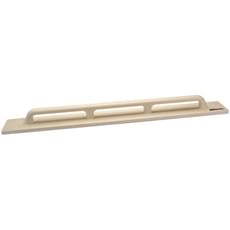
A darby, also known as a Derby float, is an indispensable tool for levelling plaster over large areas, whilst feather edges provide the straight edge needed for ruling off plaster between screeds and creating perfectly aligned surfaces. Draper's interpretation of these classic plastering tools combines traditional craftsmanship with modern manufacturing techniques, resulting in tools that offer excellent rigidity, comfortable handling, and long-lasting durability on demanding construction sites across the UK.
The selection available from Tooled-Up.com showcases Draper's understanding of what professional plasterers need from their levelling tools – lightweight yet robust construction, ergonomic handles for extended use, and precision-machined edges that won't warp or flex during application. Whether you're working on new build properties, renovation projects, or heritage restoration work, Draper darbys and feather edges deliver the reliability that trades professionals depend upon.
Why Choose Draper Darbys & Feather Edges?
Draper's reputation in the construction trades sector spans over a century, and this heritage of quality is evident in their plastering tool range. Each darby and feather edge is manufactured with careful attention to detail, using materials selected specifically for their combination of lightness and strength. The aluminium construction typical of Draper's range ensures these tools won't become burdensome during long working days, whilst maintaining the rigidity essential for achieving perfectly level surfaces.
The brand's commitment to value without compromising on quality makes Draper darbys and feather edges particularly attractive to both established plasterers building their tool kit and apprentices investing in their first professional-grade equipment. Draper's quality control processes ensure consistency across their range, so tradespeople know exactly what to expect when they purchase replacement tools or expand their collection. The handles are designed with practical site work in mind, offering secure grip even when working conditions are less than ideal.
Furthermore, Draper's extensive distribution network and strong presence in the UK market means replacement tools and additional sizes are readily available when needed, minimising downtime on projects and ensuring plasterers can always access the specific tool lengths required for different applications.
Who Uses Draper Darbys & Feather Edges?
- Professional Plasterers: Tradespeople specialising in skimming, rendering, and plasterwork rely on Draper's levelling tools for consistent, high-quality finishes
- Rendering Specialists: External wall finishing contractors who need robust tools capable of handling thicker render applications
- Drywall Installers: Those working with plasterboard jointing compounds who require precise levelling across large panel surfaces
- General Builders: Construction professionals who undertake plastering work as part of broader renovation and building projects
- Maintenance Teams: Property maintenance and facilities management staff carrying out repair and refurbishment work
- Restoration Specialists: Tradespeople working on period properties who need reliable tools for traditional lime plastering techniques
- Serious DIY Enthusiasts: Homeowners tackling substantial renovation projects who want professional-quality results
Key Features of Draper Darbys & Feather Edges
Draper darbys and feather edges incorporate several features that distinguish them within the plastering tools market. The extruded aluminium construction provides an excellent strength-to-weight ratio, ensuring the tools remain straight and true throughout their working life whilst being comfortable to manipulate across walls and ceilings. The machined edges are precisely finished to provide a perfectly straight reference surface, essential for achieving flat plaster finishes without undulations or high spots.
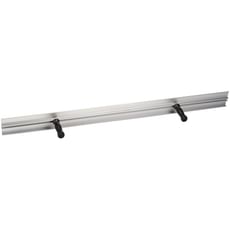
Handle design receives particular attention in Draper's range, with ergonomically shaped grips positioned to provide optimal control and reduce hand fatigue during extended plastering sessions. The handles are securely fixed to prevent loosening during vigorous use, and their positioning allows for both pushing and pulling motions as different plastering techniques require. Many models feature rounded edges to prevent plaster build-up and facilitate easy cleaning at the end of each working day.
The anodised or protective finishes applied to Draper aluminium tools help resist corrosion from the alkaline nature of plaster materials, extending tool life even in demanding professional environments. Available in various lengths to suit different applications – from shorter darbys for confined spaces to extended feather edges for ruling off between widely-spaced screeds – the range covers the full spectrum of plastering requirements encountered on UK construction sites.
Popular Draper Darbys & Feather Edges
Within the Draper plastering tools range, several product types prove consistently popular amongst trades professionals. Standard darbys, typically available in lengths from 1200mm to 1800mm, serve as the workhorse tools for levelling freshly applied plaster across wall surfaces. These tools excel at removing excess material and creating uniformly flat surfaces before the final finishing stages.
Feather edges in various lengths – commonly ranging from 900mm through to 2400mm – provide the straight edge required for ruling off plaster between dot and dab screeds or timber battens. The longer versions are particularly valued for floor screeding work and for ensuring walls are perfectly plumb across their entire height. Tooled-Up stocks Draper's range of sizes to ensure plasterers can select the optimal tool length for each specific application, whether working in compact bathrooms or expansive commercial spaces.
Safety and Compliance
When using Draper darbys and feather edges, adherence to proper handling techniques ensures both personal safety and optimal results. Always inspect tools before use to confirm the straightness of the working edge – any warping or damage could compromise the flatness of finished plasterwork. Ensure handles are secure and undamaged before commencing work, particularly when working at height on scaffolding or platforms.
Appropriate personal protective equipment should be worn when plastering, including dust masks when mixing materials, eye protection to guard against splashes, and suitable work gloves where appropriate. Store darbys and feather edges horizontally or hung vertically to prevent warping, and clean thoroughly after each use to remove alkaline plaster residues that could cause corrosion over time. Following HSE guidelines for manual handling is essential when manoeuvring longer tools, particularly on confined sites or when working from elevated platforms.
Frequently Asked Questions
What's the difference between a darby and a feather edge?
Whilst both tools serve levelling purposes, a darby is generally thicker and more robust, designed for actively levelling and smoothing wet plaster across surfaces. A feather edge is thinner and lighter, primarily used as a straight edge for ruling off plaster between screeds or checking surface flatness. Draper manufactures both types to complement each other in the plasterer's toolkit.
What lengths of Draper darbys and feather edges are available?
Draper produces these tools in various lengths to suit different applications, typically ranging from 900mm for smaller areas through to 2400mm or longer for extensive wall surfaces and floor screeding. The choice of length depends on the scale of work and the spacing between reference points on the surface being plastered.
How do I maintain my Draper plastering tools?
Clean your darbys and feather edges thoroughly after each use, removing all plaster residue before it hardens. Store tools flat or hanging vertically to prevent warping. Periodically check the straightness of the working edge by sighting along its length. Avoid using damaged tools as this will compromise the flatness of your plasterwork.
Are Draper darbys suitable for both internal and external rendering work?
Yes, Draper's aluminium darbys and feather edges are suitable for both internal plastering and external rendering applications. Their robust construction and corrosion-resistant finishes make them capable of handling the thicker consistencies and harsher conditions associated with external render work whilst maintaining the precision required for internal skimming.
Can beginners use Draper professional plastering tools?
Absolutely. Draper tools offer an excellent entry point for apprentice plasterers and DIY enthusiasts learning plastering skills. The quality construction actually makes achieving good results easier compared to inferior tools, whilst the competitive pricing makes professional-grade equipment accessible to those building their first comprehensive toolkit.