

Draper Engineers Files
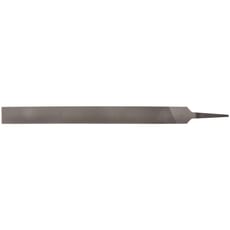
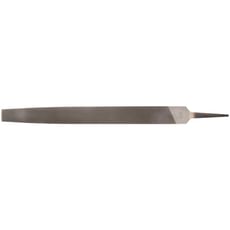
 Loading...
End of content
Error - No more pages to load
Draper Engineers Files at Tooled-Up.com
Draper Tools has built a formidable reputation in the hand tool market, and their engineers files represent decades of British engineering expertise combined with modern manufacturing precision. The Draper engineers files range available from Tooled-Up.com encompasses a comprehensive selection of precision filing tools designed for metal shaping, smoothing, and finishing applications across engineering, fabrication, and maintenance workshops throughout the UK.
These premium-quality engineers files feature hardened and tempered carbon steel construction, delivering the cutting performance and durability that professional engineers and skilled tradespeople demand. From flat and hand files to half-round, round, square, and triangular profiles, Draper provides the complete spectrum of file types needed for precision metalworking tasks. Each file is manufactured with carefully cut teeth patterns that ensure consistent material removal and exceptional surface finishes on ferrous and non-ferrous metals, plastics, and composite materials.
Whether you're deburring machined components, fitting bearing housings, shaping keyways, or fine-tuning fabricated assemblies, Tooled-Up stocks Draper engineers files in various cut grades from coarse through to smooth, enabling precise control over material removal rates and final surface quality. Available in both individual files and convenient sets with handles, the Draper range offers outstanding value without compromising on professional performance standards.
Why Choose Draper Engineers Files?
Draper's reputation for delivering professional-grade tools at accessible price points makes their engineers files particularly attractive to both established workshops and tradespeople building their toolkit. The brand's rigorous quality control processes ensure that each file maintains consistent tooth geometry and proper hardness throughout its working life, reducing the frustration of prematurely worn or ineffective files that plague cheaper alternatives.
The carbon steel used in Draper engineers files undergoes precise heat treatment to achieve the optimal balance between hardness for cutting performance and toughness to resist fracture under demanding workshop conditions. This metallurgical expertise translates into files that maintain their cutting edges significantly longer than economy options, providing better cost-per-use value over time. Draper's attention to handle design and tang construction also ensures comfortable, secure grip during extended filing sessions, reducing hand fatigue and improving accuracy.
With over a century of tool manufacturing heritage, Draper understands the practical demands of UK workshops. Their engineers files meet British and European quality standards, providing the reliability that professional engineers and maintenance technicians require when tolerances matter and rework isn't an option.
Who Uses Draper Engineers Files?
Draper engineers files serve a diverse range of professionals and skilled users across multiple industries:
- Mechanical Engineers - precision fitting and finishing of machined components
- Fabricators and Welders - deburring, edge preparation, and weld finishing
- Toolmakers and Die Makers - creating precise profiles and fitting tooling components
- Maintenance Fitters - modifying parts and removing burrs during repair work
- Model Engineers - fine finishing work on small-scale engineering projects
- Automotive Technicians - fitting parts and removing corrosion or damaged threads
- Agricultural Engineers - farm machinery maintenance and repair
- Plant Engineers - on-site modifications and emergency repairs
- Apprentices and Students - learning fundamental metalworking skills in training workshops
- Serious DIY Enthusiasts - home workshop metalworking and restoration projects
Key Features of Draper Engineers Files
Draper engineers files incorporate several distinctive features that distinguish them from basic filing tools:
Premium Carbon Steel Construction: Each file blade is manufactured from carefully selected carbon steel, hardened to achieve optimal cutting performance while maintaining sufficient toughness to resist chipping or breaking under normal workshop use.
Precision-Cut Teeth Patterns: The teeth are cut using controlled machining processes that ensure consistent depth, angle, and spacing across the entire working surface. This precision delivers predictable material removal rates and uniform surface finishes.
Multiple Cut Grades: Draper offers files in various cut grades - from bastard cut (coarse) for rapid stock removal through second cut (medium) for general work to smooth cut for fine finishing - allowing users to select the appropriate aggressiveness for each application.
Comprehensive Profile Range: The range includes flat, hand, half-round, round, square, triangular, and specialist profiles, ensuring that users have the correct file geometry for internal corners, curved surfaces, and flat work.
Ergonomic Handle Options: Draper provides both tanged files for use with traditional wooden handles and files with moulded ergonomic grips that reduce hand fatigue during extended filing operations.
Rust-Resistant Finish: Files receive protective surface treatments that resist workshop moisture and prevent corrosion during storage, maintaining cutting performance over time.
Popular Draper Engineers Files
The Draper engineers files range encompasses several popular configurations that address common workshop requirements:
Engineers File Sets: Comprehensive sets containing multiple profiles and sizes provide excellent value for workshops requiring versatile filing capability. These typically include the most frequently used flat, hand, half-round, round, square, and triangular profiles in matched lengths.
Individual Specialist Files: For specific applications, Draper offers individual files in less common profiles such as knife-edge, crossing, and needle file configurations that enable precision work in restricted spaces or on intricate components.
Handled Engineers Files: Pre-fitted with comfortable handles, these files are ready for immediate use and particularly suited to mobile toolkits and field service applications where carrying separate handles is impractical.
Professional Length Files: Available in various lengths from 100mm to 300mm, enabling users to select the appropriate file size for component dimensions and workspace constraints.
Safety and Compliance
While engineers files are relatively simple hand tools, proper usage and safety practices remain essential for preventing injuries and achieving quality results. Always ensure files are fitted with secure handles before use - never use a tanged file without a properly fitted handle, as the exposed tang presents a serious puncture hazard if the file slips or binds.
Maintain files in clean condition by regularly brushing away metal particles with a dedicated file card or brush. Clogged files not only cut poorly but can also slip unexpectedly, causing loss of control. Store files separately or in protective sleeves to prevent the teeth from being damaged through contact with other tools or metal objects, which degrades cutting performance.
Wear appropriate eye protection when filing, as metal particles can be ejected towards the face during cutting strokes. Secure workpieces properly in a vice or fixture - never hold small parts by hand whilst filing, as this presents significant risk of file breakage and hand injury. When filing on machinery, ensure equipment is completely isolated and cannot start inadvertently.
Draper engineers files are manufactured to meet relevant British and European standards for hand tools, providing the quality assurance that UK workshops expect. Inspect files regularly for damage, wear, or loose handles, and replace worn files that no longer cut effectively - attempting to compensate for poor cutting action by applying excessive pressure increases the risk of slippage and injury.
Frequently Asked Questions
What's the difference between the cut grades in Draper engineers files?
Draper engineers files are available in three main cut grades: bastard cut (coarse) removes material quickly for initial shaping and heavy stock removal; second cut (medium) provides balanced material removal for general workshop use; and smooth cut delivers fine finishing with minimal material removal for final dimensioning and surface preparation. Select the cut grade based on how much material needs removing and the surface finish required.
How long do Draper engineers files typically last?
File lifespan depends heavily on usage frequency, materials being filed, and maintenance practices. With proper care - regular cleaning, appropriate pressure, and storage that protects the teeth - Draper engineers files can provide years of reliable service in professional workshops. Files lose effectiveness gradually as teeth wear, so replace them when cutting performance noticeably decreases rather than persisting with worn files that require excessive pressure.
Can Draper engineers files be used on hardened steel?
Standard engineers files work effectively on metals softer than the file itself - generally materials up to approximately 40-45 HRC hardness. For hardened tool steels and case-hardened surfaces, specialist carbide or diamond files are required. Using conventional engineers files on fully hardened steel will rapidly destroy the file teeth without effectively cutting the workpiece.
Should I buy individual Draper files or a complete set?
If you're establishing a new workshop or require comprehensive filing capability across various profiles, a Draper engineers file set offers excellent value and ensures you have the correct file geometry for different applications. For specialists who predominantly use specific profiles, or for replacing worn files in an existing toolkit, purchasing individual files in the required profiles and sizes proves more economical.
How should Draper engineers files be stored and maintained?
Store files separately or in protective sleeves to prevent teeth damage from contact with other metal objects. Keep them in a dry environment to prevent rust formation. Clean files regularly with a file card or stiff brush, working along the teeth direction to remove embedded metal particles. Occasionally applying a light oil coating before storage helps prevent corrosion. Never strike files with hammers or use them as pry bars, as the hardened steel can shatter under impact or excessive bending forces.