

Draper Engineers & Mechanics Vices
 Loading...
End of content
Error - No more pages to load
Draper Engineers & Mechanics Vices at Tooled-Up.com
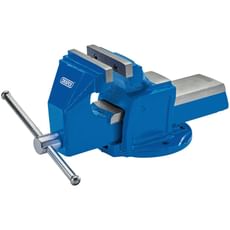
Draper Tools has built an enviable reputation for manufacturing robust, precision-engineered vices that meet the exacting demands of professional engineers and mechanics across the UK. The Draper range of engineers and mechanics vices combines traditional craftsmanship with modern manufacturing techniques to deliver clamping solutions that provide exceptional holding power, durability and accuracy. Whether you're working in a professional workshop, garage or home workshop environment, Draper vices are designed to withstand the rigours of daily use whilst maintaining their precision over many years of service.
Tooled-Up.com stocks a comprehensive selection of Draper engineers and mechanics vices, covering everything from compact bench-mounted models ideal for light engineering work through to heavy-duty industrial vices capable of handling substantial fabrication and machining tasks. Each vice in the Draper range features hardened steel jaws, precision-machined screw threads and robust cast iron construction, ensuring reliable performance across a wide spectrum of workshop applications. The attention to detail in Draper's manufacturing process means that every vice delivers smooth operation, consistent clamping pressure and the longevity that professional tradespeople demand from their workshop equipment.
From precision work on small components to heavy-duty metalworking applications, the Draper engineers and mechanics vices range provides solutions for every workshop requirement. With various jaw widths, opening capacities and mounting options available, there's a Draper vice to suit both space-constrained benches and extensive workshop installations where maximum clamping capacity is essential.
Why Choose Draper Engineers & Mechanics Vices?
Draper has been a trusted name in the UK tool industry for over a century, and their engineers and mechanics vices exemplify the brand's commitment to quality and value. The precision engineering that goes into every Draper vice ensures smooth jaw operation with minimal play, allowing for accurate positioning and secure holding of workpieces. The hardened steel jaws resist wear and deformation even under heavy loads, whilst the robust cast iron bodies absorb vibration during machining operations, contributing to improved accuracy and finish quality.
What sets Draper apart is their understanding of real-world workshop requirements. Features such as integral anvil surfaces, replaceable jaw faces and 360-degree swivel bases on selected models demonstrate Draper's focus on practical functionality. The brand's reputation for delivering professional-grade tools at accessible price points makes Draper vices particularly attractive to both established workshops looking to expand their equipment and tradespeople setting up new facilities. The consistent quality control throughout Draper's manufacturing process means customers can purchase with confidence, knowing their vice will perform reliably from day one.
Who Uses Draper Engineers & Mechanics Vices?
Draper engineers and mechanics vices serve a diverse range of professional users and skilled enthusiasts:
- General Engineers - for precision machining, assembly and fabrication work
- Motor Mechanics - securing components during repair and maintenance operations
- Agricultural Engineers - farm machinery repair and modification
- Manufacturing Facilities - production line workstations and quality control departments
- Maintenance Technicians - industrial plant and facility maintenance workshops
- Automotive Workshops - professional garages and MOT centres
- Educational Institutions - college and university engineering departments
- Fabricators and Welders - metalworking and structural steel workshops
- Model Engineers - hobbyists working on precision miniature projects
- DIY Enthusiasts - home workshop owners undertaking serious projects
Key Features of Draper Engineers & Mechanics Vices
Draper engineers and mechanics vices incorporate numerous features that enhance their functionality and longevity. The precision-ground steel jaws are typically hardened to provide excellent wear resistance, with serrated faces ensuring a secure grip on workpieces without excessive clamping pressure. Many models feature replaceable jaw faces, allowing users to fit soft jaws for delicate work or to restore gripping performance after extended use.
The cast iron construction provides the mass necessary to absorb vibration during filing, sawing and light machining operations, whilst the Acme-thread screws deliver smooth, consistent jaw movement with minimal backlash. Selected Draper vices feature 360-degree swivel bases with secure locking mechanisms, enabling optimal workpiece positioning without the need to reposition the entire assembly. Integral anvil surfaces on many models provide a convenient striking surface for light forming work, adding versatility to the vice's capabilities.
Mounting flexibility is another hallmark of Draper's design philosophy, with most models featuring slotted base plates that accommodate various bench configurations and fixings. The attention to finishing details, including smooth casting surfaces and corrosion-resistant coatings, ensures that Draper vices maintain their professional appearance throughout their working life.
Popular Draper Engineers & Mechanics Vices
The Draper range encompasses several distinct vice types to suit different applications. Bench-mounted engineers vices represent the core of the range, available in jaw widths typically ranging from 75mm for light-duty applications through to 150mm or larger for heavy industrial use. These fixed-base models provide maximum rigidity and are ideal for workshops where workpiece orientation can be adjusted manually.
Swivel-base engineers vices add rotational flexibility, allowing users to position work at any angle whilst maintaining full clamping capacity. The robust locking mechanisms on Draper swivel vices ensure the base remains secure under lateral loads. For users requiring portability or working with limited bench space, Draper also offers compact mechanics vices with clamp-on or bolt-through mounting options.
Heavy-duty industrial models feature reinforced construction and extended jaw depths to handle substantial fabrication work, whilst precision vices with fine-adjustment capabilities cater to detailed engineering tasks where positional accuracy is paramount.
Safety and Compliance
Whilst engineers and mechanics vices are non-powered tools, proper installation and use remain critical for workshop safety. The range available from Tooled-Up should be securely mounted to substantial benches or workstations capable of withstanding the forces generated during clamping and working operations. Users should ensure that mounting bolts are of adequate specification and fully tightened before use.
When operating Draper vices, users should avoid exceeding the manufacturer's recommended clamping capacities, as over-tightening can damage both the vice mechanism and the workpiece. Regular maintenance, including cleaning of screw threads and occasional lubrication with light machine oil, helps maintain smooth operation and extends service life. Workshop operators should conduct periodic inspections to check for wear, cracks or damage to jaw faces and structural components, replacing any compromised parts promptly.
In accordance with HSE workplace equipment guidance, users should wear appropriate personal protective equipment when working with secured materials, particularly when undertaking operations such as grinding, filing or cutting that generate particles or swarf.
Frequently Asked Questions
What jaw width should I choose for my Draper engineers vice?
Jaw width selection depends primarily on the typical size of components you'll be working with. For general workshop use and DIY applications, a 100mm to 125mm jaw width provides excellent versatility. Professional workshops handling larger fabrications typically opt for 150mm models, whilst precision work on small components may be better served by 75mm or compact mechanics vices. The Draper range at Tooled-Up provides options across all these size categories.
Do Draper vices come with replacement jaws?
Most Draper engineers vices feature replaceable jaw faces, allowing users to fit soft jaws for delicate work or to restore gripping performance after extended use. Replacement jaw sets are available separately, extending the working life of your vice significantly. The ease of jaw replacement varies by model, though Draper designs typically allow straightforward fitting using basic hand tools.
Can I use a Draper engineers vice for woodworking?
Whilst Draper engineers vices can hold wooden workpieces, their serrated steel jaws are designed for metalwork and will mark softer materials. For occasional woodworking tasks, fitting protective soft jaws or wooden pads prevents damage. However, dedicated woodworking vices offer features such as wider jaws and integrated dog holes that better suit carpentry applications.
What's the difference between a fixed-base and swivel-base Draper vice?
Fixed-base Draper vices bolt directly to the bench and remain in a stationary position, providing maximum rigidity for heavy-duty work. Swivel-base models incorporate a rotating mechanism that allows 360-degree positioning, enabling users to orientate workpieces without manual repositioning. Swivel bases include locking mechanisms to secure the vice at any angle, though they add slight height to the overall assembly.
How should I maintain my Draper engineers vice?
Regular maintenance ensures optimal performance and longevity. Keep screw threads clean and free from metal swarf by brushing regularly, and apply light machine oil to moving parts periodically. Check mounting bolts remain tight, particularly after heavy use. Inspect jaw faces for wear or damage, and replace if gripping performance deteriorates. Avoid exposing the vice to excessive moisture, and wipe down cast iron surfaces with an oily rag to prevent corrosion in damp workshop environments.