

Draper Floats
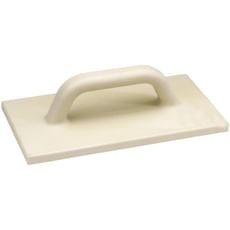
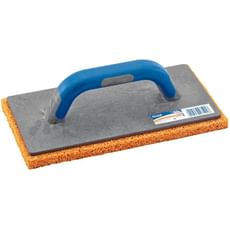
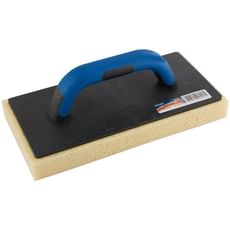
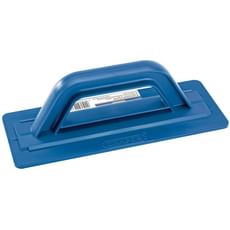
 Loading...
End of content
Error - No more pages to load
Draper Floats at Tooled-Up.com
Draper Tools has been a cornerstone of the British tool industry since 1919, and their range of floats continues this proud tradition of delivering professional-quality plastering and rendering tools to tradespeople across the UK. The Draper Floats collection encompasses everything from traditional wooden floats to modern sponge and rubber variations, each designed to meet the exacting standards of professional plasterers, renderers, and bricklayers. Built with precision-engineered blades, ergonomic handles, and durable materials, Draper Floats represent exceptional value without compromising on the quality that professionals demand day after day on site.
Whether you're finishing smooth plaster surfaces, working with external render, or applying textured finishes, Tooled-Up stocks a comprehensive range of Draper Floats suited to every application. From compact hand floats ideal for tight spaces and detail work, through to large finishing floats for expansive wall and ceiling areas, Draper provides tools that deliver consistent results whilst standing up to the rigours of daily professional use. The range includes specialist options such as foam floats for achieving ultra-smooth finishes, rubber floats for grouting and tile work, and traditional wooden floats favoured by craftsmen for their superior control and feel.
Each Draper Float is manufactured to precise tolerances, ensuring flat, true surfaces that won't warp or twist during use. The handles are designed with extended work sessions in mind, featuring comfortable grips that reduce hand fatigue even during lengthy finishing tasks. This attention to ergonomic detail, combined with Draper's competitive pricing, makes their floats a popular choice among both established tradespeople and those just starting out in the plastering trades.
Why Choose Draper Floats?
Draper has built its reputation on delivering reliable, professional-grade tools at prices that represent genuine value for money, and their float range exemplifies this philosophy perfectly. Unlike budget alternatives that may deteriorate after limited use, Draper Floats are constructed from carefully selected materials that maintain their shape and performance throughout their working life. The blades remain flat and true, the handles stay securely attached, and the working surfaces resist wear from abrasive plaster and render mixes.
The brand's commitment to quality control means every float undergoes rigorous testing before reaching the market. This ensures consistent performance across the range, giving tradespeople the confidence that their Draper Float will deliver the same high-quality finish on every job. The company's extensive heritage in tool manufacturing translates into practical design features that reflect genuine understanding of how plasterers and renderers work, from the balance and weight distribution of each tool to the choice of materials for different applications.
Draper also offers excellent availability and aftercare support throughout the UK, with comprehensive product information and customer service backing every purchase. This makes Draper Floats a safe choice for professionals who need reliable tools they can depend on, backed by a brand with over a century of tool-making expertise.
Who Uses Draper Floats?
Draper Floats are trusted by a diverse range of professionals and skilled DIY enthusiasts, including:
- Professional Plasterers – For internal wall and ceiling finishing work
- Renderers – Applying and finishing external render systems
- Bricklayers – Finishing mortar joints and pointing work
- Dry Liners – Finishing plasterboard joints and surfaces
- General Builders – For patch repairs and small plastering jobs
- Tilers – Using rubber and sponge floats for grouting applications
- Restoration Specialists – Working with traditional lime plasters and renders
- DIY Enthusiasts – Tackling home improvement plastering projects
- Apprentices and Trainees – Learning plastering skills with affordable, quality tools
Key Features of Draper Floats
The Draper Floats range incorporates numerous features that enhance performance and durability:
- Precision-Manufactured Blades – Guaranteed flat surfaces for professional finishes without ripples or imperfections
- Ergonomic Handle Design – Comfortable grips that reduce hand strain during extended use
- Secure Handle Attachment – Robust fixing methods ensure handles remain firmly attached throughout the tool's lifetime
- Material Variety – Wooden, rubber, foam, and sponge options for different applications and finishing techniques
- Bevelled Edges – Carefully designed edge profiles that prevent digging into soft plaster surfaces
- Lightweight Construction – Balanced weight distribution reduces fatigue without sacrificing durability
- Easy Maintenance – Materials selected for straightforward cleaning and long-term care
- Multiple Size Options – Comprehensive range from small detail floats to large finishing floats
- UK Manufacturing Standards – Built to specifications that meet British trade requirements
Popular Draper Floats
Browse the Draper selection at Tooled-Up to discover the most sought-after floats for professional plastering work:
Wooden Floats – Traditional choice for plasterers seeking superior control and feel when applying and finishing plaster. Available in various sizes with hardwood or laminated construction for durability.
Sponge Floats – Essential for achieving ultra-smooth finishes and removing minor imperfections from plaster surfaces. The open-cell sponge design allows water to pass through whilst refining the surface texture.
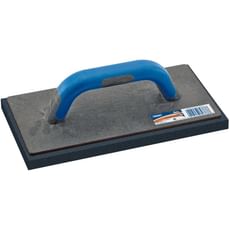
Rubber Floats – Ideal for grouting floor and wall tiles, as well as certain rendering applications. The flexible rubber blade conforms to surfaces whilst removing excess material efficiently.
Foam Floats – Closed-cell foam construction perfect for textured finishes on external render. Lightweight yet durable, these floats create consistent patterns and textures.
Plasterer's Finishing Floats – Larger format floats designed specifically for achieving smooth, level finishes on walls and ceilings. Available in lengths from 300mm up to 600mm for different applications.
Safety and Compliance
Whilst hand floats are relatively simple tools, proper use is important for both safety and achieving quality results. Always ensure adequate lighting when working overhead to prevent eye strain and maintain awareness of your surroundings. When using floats on scaffolding or platforms, maintain three points of contact and secure all tools when not in immediate use to prevent them falling and causing injury to those below.
The materials used in Draper Floats comply with relevant UK safety standards, with foam and rubber components manufactured to be free from harmful substances. Always clean floats thoroughly after use, particularly when working with materials containing additives or accelerators that may cause skin irritation. Wear appropriate PPE including dust masks when sanding finished plaster surfaces, and ensure adequate ventilation in working areas.
Handle maintenance is crucial for safe operation – regularly inspect the handle attachment points and replace any floats showing signs of weakness or separation. Worn or damaged floats should be replaced rather than repaired, as compromised tools can lead to poor finishes and potential hand injuries during use.
Frequently Asked Questions
What's the difference between wooden and foam floats for plastering?
Wooden floats are the traditional choice for applying and finishing internal plaster, offering superior control and a smooth finish. Foam floats are primarily used for external render work, creating textured finishes and being more resistant to the coarser materials used in rendering applications. Professional plasterers typically keep both types for different tasks.
How do I clean and maintain my Draper Floats?
Clean floats immediately after use by washing with clean water to remove all plaster or render residue before it hardens. Wooden floats should be dried naturally away from direct heat sources to prevent warping. Sponge and rubber floats can be rinsed thoroughly and squeezed to remove excess water. Store all floats flat to maintain their true surfaces.
Which size float should I choose for wall plastering?
For general wall plastering, a float between 350mm and 400mm long provides the best balance of control and coverage. Larger floats (450-600mm) are better suited to experienced plasterers working on expansive, flat areas, whilst smaller floats (280-350mm) offer better control in corners, around obstacles, and for patch repair work.
Can I use the same float for plaster and render?
Whilst it's technically possible, it's not recommended. Render is much coarser and more abrasive than internal plaster, which will quickly wear and damage floats designed for smoother materials. Keep separate floats for internal plastering and external render work to maximise the lifespan of each tool and achieve the best finishes for each application.
Are Draper Floats suitable for professional daily use?
Absolutely. Draper Floats are engineered to withstand the demands of professional tradespeople using them day in, day out on site. The combination of quality materials, robust construction, and practical design features makes them a reliable choice for professional plasterers, renderers, and builders who depend on their tools to perform consistently across multiple jobs.