

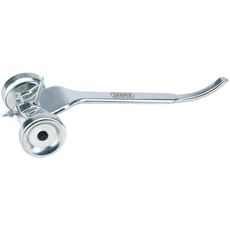
Draper Joint Rakers
 Loading...
Draper Joint Rakers at Tooled-Up.com
Draper Tools has earned a distinguished reputation among UK tradespeople for delivering reliable, professionally engineered hand tools at exceptional value. Their range of joint rakers exemplifies this commitment to quality craftsmanship, providing builders, bricklayers, and repointing specialists with precision tools designed specifically for removing old mortar from brickwork joints. Whether preparing historic masonry for restoration or tackling modern pointing repairs, Draper joint rakers combine hardened steel construction with ergonomically designed handles to deliver controlled, efficient mortar removal without damaging surrounding brickwork.
The Draper approach to joint raker design focuses on durability and user comfort during extended periods of use. Each tool undergoes rigorous quality control to ensure the cutting edges maintain their effectiveness throughout demanding site work, whilst the handle designs reduce hand fatigue during repetitive raking tasks. Tooled-Up.com stocks Draper's joint raker selection to provide professional tradespeople and serious DIY enthusiasts with dependable tools that deliver consistent results across both restoration projects and new build applications.
Why Choose Draper Joint Rakers?
Draper's heritage in the UK tool industry spans over a century, establishing them as a trusted name for quality hand tools that withstand the rigours of professional use. Their joint rakers feature hardened and tempered steel blades that resist bending and maintain sharp cutting edges even when working with stubborn cement-based mortars. The precision grinding of each blade ensures clean mortar removal whilst minimising the risk of chipping brick edges or damaging the masonry substrate.
Value for money represents another compelling reason to choose Draper for joint raking applications. These tools deliver professional-grade performance at price points that make them accessible to both established contractors and newcomers to the trade. The robust construction means Draper joint rakers provide years of reliable service, reducing the need for frequent replacements and offering genuine long-term economy for busy tradespeople.
Draper's understanding of real-world working conditions is evident in their tool designs. Joint rakers from this manufacturer feature comfortable grip profiles that allow secure handling even when working at awkward angles or overhead positions. The balanced weight distribution reduces wrist strain during extended raking sessions, whilst the corrosion-resistant finishes ensure tools maintain their condition even when exposed to damp working environments typical of restoration projects.
Who Uses Draper Joint Rakers?
- Bricklayers and stonemasons preparing joints for repointing on both new builds and renovation projects
- Heritage restoration specialists working on listed buildings and conservation areas requiring careful mortar removal
- Building contractors undertaking general maintenance and repair work on masonry structures
- Property maintenance professionals addressing weathered pointing on residential and commercial properties
- Landscape gardeners repairing and maintaining brick walls, garden features, and boundary structures
- DIY enthusiasts tackling home improvement projects involving brickwork restoration or repair
- Local authority maintenance teams preserving public buildings and infrastructure
Key Features of Draper Joint Rakers
The hallmark of Draper joint rakers is their hardened steel blade construction, heat-treated to achieve optimal hardness whilst retaining sufficient toughness to resist fracturing under impact. This careful metallurgical balance ensures the cutting edge remains effective throughout extended use without becoming brittle or prone to breakage when encountering harder mortar sections or embedded aggregate.
Handle design receives particular attention in Draper's joint raker range, with ergonomic profiles that provide secure grip and control during precision work. Many models feature contoured wooden or composite handles that absorb vibration and reduce hand fatigue, enabling tradespeople to maintain accuracy throughout lengthy raking sessions. The secure tang-to-handle construction prevents loosening during use, ensuring consistent tool performance and enhanced safety.
Blade profiles are carefully engineered to suit different joint dimensions and mortar types. The selection available at Tooled-Up includes various widths and angles, allowing users to select the most appropriate tool for their specific application. Whether addressing narrow pointing joints in brickwork or wider mortar beds in stonework, Draper provides joint rakers configured for optimal material removal without excessive force.
Popular Draper Joint Rakers
Draper's standard joint raker designs feature straight blade profiles ideal for horizontal bed joints in conventional brickwork. These versatile tools suit the majority of repointing applications, offering reliable performance across both lime-based and cement mortars. The blade width selection accommodates standard brick joint dimensions, making these rakers essential additions to any bricklayer's tool kit.
Angled joint rakers from Draper provide enhanced access to perpendicular joints and hard-to-reach areas where wall intersections or architectural features restrict straight-line tool access. The cranked blade design allows tradespeople to maintain proper working angles whilst achieving thorough mortar removal from vertical joints, ensuring consistent depth preparation across all joint orientations.
Combination designs that incorporate multiple blade profiles or interchangeable heads offer versatility for contractors working across varied projects. These multi-purpose tools reduce the number of implements required on site whilst ensuring appropriate joint raking capability remains readily available for different masonry configurations and mortar conditions.
Safety and Compliance
Safe joint raker operation requires appropriate personal protective equipment, particularly safety glasses or goggles to protect against mortar fragments and dust particles dislodged during raking. The HSE recommends respiratory protection when working in confined spaces or when extensive mortar removal generates significant dust levels, especially important when addressing older mortars that may contain harmful materials.
Proper tool maintenance enhances both safety and performance. Regular inspection of blade condition identifies wear or damage that could compromise tool effectiveness or create injury risks from unexpected breakage. Handle integrity should be verified before each use, ensuring secure attachment prevents separation during operation. Draper joint rakers should be stored in dry conditions to prevent corrosion that might weaken blade structure or compromise cutting edge sharpness.
Users should employ appropriate technique when operating joint rakers, avoiding excessive force that might cause tool slippage or uncontrolled movement potentially damaging brickwork or causing hand injuries. The controlled, deliberate strokes recommended for effective mortar removal also represent the safest working method, reducing physical strain and maintaining precision throughout the task.
Frequently Asked Questions
What depth should I rake mortar joints before repointing?
Professional practice typically requires raking joints to a depth of 15-20mm, or approximately twice the joint width. This depth ensures sufficient key for new mortar whilst avoiding unnecessary weakening of the masonry structure. Draper joint rakers provide the control needed to achieve consistent depth without over-excavating joints.
Can Draper joint rakers handle cement-based mortars?
Yes, the hardened steel construction of Draper joint rakers makes them suitable for removing both lime-based and cement mortars. However, very hard cement mortars may require more frequent sharpening or additional mechanical assistance such as small grinders for initial breakdown before hand raking to final depth.
How do I maintain my Draper joint raker?
Clean the blade after each use to remove mortar residue, then apply a light coating of oil to prevent rust formation. Store in a dry location and periodically inspect for blade damage or handle loosening. Sharpen the cutting edge when performance declines, maintaining the original blade angle for optimal effectiveness.
Are different joint raker widths needed for various brickwork types?
Different brick types and laying patterns create varying joint widths, so having multiple raker sizes ensures optimal tool-to-joint matching. Standard brickwork typically uses 10mm joints, whilst older or heritage buildings may feature wider joints requiring correspondingly wider rakers for efficient mortar removal.
Can joint rakers be used on stone masonry as well as brickwork?
Draper joint rakers work effectively on stone masonry joints, though care must be taken with softer stone types where aggressive raking might damage arises. The wider joints common in stonework often require wider blade profiles for efficient coverage, and the varied joint depths may necessitate deeper raking than typical brickwork applications.