

Draper Lead Dressers
 Loading...
End of content
Error - No more pages to load
Draper Lead Dressers at Tooled-Up.com
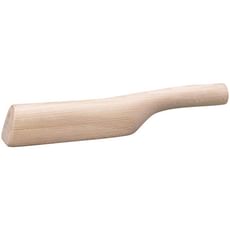
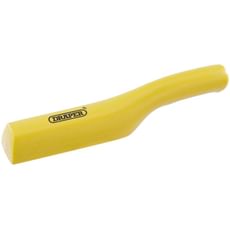
Draper Tools has established itself as a trusted name in the roofing and lead working industry, offering a comprehensive selection of specialist lead dressers designed to meet the exacting demands of professional roofers and skilled tradespeople. Lead dressing tools are essential for shaping and forming lead sheets around chimneys, valleys, and architectural details, requiring precision-engineered implements that deliver consistent results without damaging the material. The Draper range available through Tooled-Up.com encompasses everything from traditional wooden lead dressers to specialist mallets and forming tools, each manufactured to the exacting standards that have made Draper a household name on building sites across the UK.
Draper's commitment to quality in their lead working tools reflects decades of experience in understanding the specific requirements of roofing professionals. Lead dressing requires tools that can apply controlled force without tearing or marking the soft metal, and Draper has developed their range with this delicate balance in mind. Whether working on heritage restoration projects where traditional methods are essential, or modern installations requiring speed and efficiency, the lead dressers stocked at Tooled-Up provide the reliability that professional roofers depend upon day after day.
Why Choose Draper Lead Dressers?
Draper has built its reputation on delivering professional-grade tools at accessible price points, and their lead dressers exemplify this philosophy perfectly. Each tool in the range is manufactured using carefully selected materials that balance durability with the specific requirements of lead working. The wooden dressers feature smoothly finished hardwood heads that won't mark or tear lead sheeting, whilst maintaining the weight and density needed for effective shaping. Draper's attention to handle design ensures comfortable grip during extended working periods, reducing hand fatigue on large roofing projects.
The company's quality control processes ensure consistency across their lead dressing tool range, meaning tradespeople can rely on the same performance whether purchasing their first Draper lead dresser or replacing a well-worn favourite. This consistency extends to the availability of replacement parts where applicable, supporting the longevity of tools and reducing waste. Draper's competitive pricing structure makes professional-quality lead working tools accessible to both established roofing contractors and those just entering the trade, without compromising on the performance standards that professionals demand.
Who Uses Draper Lead Dressers?
Draper lead dressers are the tools of choice for a diverse range of professionals and skilled enthusiasts:
- Professional Roofers: Specialists in pitched and flat roofing who regularly work with lead flashing, valleys, and weathering details
- Heritage Roofing Contractors: Craftspeople working on listed buildings and conservation projects where traditional lead working techniques are essential
- General Builders: Tradespeople who undertake roofing repairs and maintenance as part of broader construction projects
- Plumbers: Heating engineers who create lead slates for pipe penetrations through roofs and walls
- Church and Cathedral Restoration Specialists: Experts in ecclesiastical building maintenance where lead remains a primary roofing material
- Architectural Metalworkers: Specialists creating decorative lead features and bespoke architectural elements
- Building Maintenance Teams: Property maintenance professionals responsible for roof repairs across commercial and residential portfolios
Key Features of Draper Lead Dressers
Draper lead dressers incorporate several distinctive features that enhance their performance and durability in demanding roofing environments. The wooden dressers feature carefully selected hardwood that provides the optimal density for lead shaping whilst remaining light enough to absorb impact without transferring excessive force. The smooth, splinter-free finish protects both the lead surface and the user's hands during operation. Handle construction prioritises ergonomics, with well-balanced designs that allow precise control during delicate forming operations.
Many Draper lead dressers feature traditional designs refined through decades of feedback from working professionals, ensuring that these tools maintain the characteristics that experienced roofers value whilst incorporating subtle improvements in durability and comfort. The natural materials used in construction provide tactile feedback that allows skilled tradespeople to judge the force being applied, essential when working with soft metals where over-working can cause cracking or tearing. Draper's finishing processes ensure that striking surfaces remain smooth and free from defects that could mark premium lead sheeting.
Popular Draper Lead Dressers
The Draper lead dresser collection encompasses various specialist tools suited to different aspects of lead working. Traditional wooden lead dressers form the core of the range, available in different head weights to suit various applications from delicate detail work to heavy forming of thick lead sheets. Lead bossing mallets feature distinctive shapes designed for working lead into complex three-dimensional forms around chimneys and architectural details. Flat-faced dressers excel at smoothing and finishing operations, whilst rounded profiles suit forming work in valleys and curves.
Draper also offers specialist lead setting tools designed for pressing lead into place during installation, ensuring secure adhesion to substrates without damaging the material. For professionals working across multiple roofing disciplines, Tooled-Up stocks Draper's combination sets that provide the essential lead working tools in convenient packages, offering excellent value for those establishing their tool collection or replenishing worn implements.
Safety and Compliance
When working with lead materials, proper safety precautions are essential to protect against lead exposure. The HSE provides specific guidance on working with lead, emphasising the importance of hygiene measures including washing hands before eating or drinking, and avoiding practices that create lead dust or fumes. Draper lead dressers are designed for cold working of lead sheet, which minimises exposure risks compared to hot working processes. Users should always wear appropriate protective gloves when handling lead materials and ensure adequate washing facilities are available on site.
Proper tool maintenance contributes to both safety and performance. Draper lead dressers should be inspected regularly for signs of damage including splits in wooden components or loose handles that could cause loss of control during use. Tools should be stored in dry conditions to prevent deterioration of wooden elements, and striking surfaces should be kept clean and smooth to prevent marking of lead surfaces. Following manufacturer guidance for tool care ensures optimal performance and extends working life whilst maintaining safe operating conditions.
Frequently Asked Questions
What weight lead dresser do I need for standard roofing work?
For general roofing applications using Code 4 and Code 5 lead (the most common weights for domestic roofing), a medium-weight lead dresser typically provides the best balance of control and forming power. Heavier dressers suit thicker lead sheets or situations requiring more aggressive shaping, whilst lighter tools offer greater precision for detailed work around complex architectural features.
Can Draper lead dressers be used on other soft metals?
Yes, Draper lead dressers work effectively on other soft metals including copper and zinc, making them versatile tools for roofing professionals who work with various sheet metal materials. The smooth wooden faces won't mark these materials, though care should be taken to avoid cross-contamination between different metals which could cause galvanic corrosion issues.
How do I maintain wooden lead dressers?
Keep wooden lead dressers clean and dry, wiping them down after use to remove any lead residue. Periodically inspect the striking face for roughness or damage, lightly sanding with fine abrasive paper if necessary to maintain a smooth finish. Store tools in a dry environment away from temperature extremes that could cause the wood to crack or warp.
What's the difference between a lead dresser and a lead bossing mallet?
Lead dressers typically feature broader, flatter faces designed for general shaping and smoothing operations, whilst lead bossing mallets have more specialised profiles designed for forming lead into complex three-dimensional shapes around chimneys, pipes, and architectural details. Most professional roofers maintain both types for different aspects of lead working.
Are Draper lead dressers suitable for heritage restoration work?
Absolutely. Draper's traditional wooden lead dresser designs align with the techniques specified for conservation work on listed buildings and heritage structures. Their smooth faces won't damage historic lead work, and their balanced construction provides the control necessary for the careful, methodical approach required in restoration projects where preserving original fabric is paramount.