

Draper Lines & Pins

 Loading...
End of content
Error - No more pages to load
Draper Lines & Pins at Tooled-Up.com
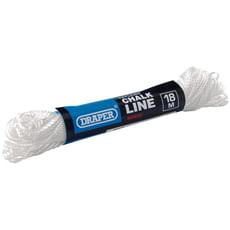
Draper Tools has built a formidable reputation over decades of supplying professional-grade equipment to the UK trade market, and their Lines & Pins range exemplifies their commitment to precision and durability. These essential marking and measuring tools are fundamental to achieving accurate layouts across construction, bricklaying, landscaping, and groundwork projects. The Draper Lines & Pins collection at Tooled-Up.com represents the brand's understanding that straight, true lines are the foundation of quality workmanship, whether setting out foundations, laying blockwork, or establishing levels across uneven terrain.
From robust chalk lines with reinforced casings to heavy-duty steel pins designed to penetrate hard ground, Draper's approach combines traditional reliability with modern manufacturing standards. Each component is engineered to withstand the rigours of daily site use, with features like high-visibility line materials, ergonomic winding mechanisms, and corrosion-resistant pin coatings. The brand's attention to practical details—such as large refill apertures and secure line retention—reflects their close consultation with working tradespeople who depend on these tools every day.
Tooled-Up stocks the comprehensive Draper Lines & Pins selection to meet the demands of both professional contractors and serious DIY enthusiasts who refuse to compromise on accuracy. These tools might appear simple, but their construction quality and consistent performance separate successful projects from costly rework, making them an investment in precision rather than just another consumable expense.
Why Choose Draper Lines & Pins?
Draper's heritage in the UK tool market spans over a century, establishing them as a trusted name synonymous with value-driven quality. Their Lines & Pins range benefits from this accumulated expertise, with each product subjected to rigorous testing protocols before reaching the trade counter. The brand's quality assurance processes ensure that chalk lines maintain consistent tension without stretching, pins remain straight under repeated hammering, and all materials resist the UV degradation and moisture exposure inherent to outdoor construction work.
Value represents another compelling reason to choose Draper for marking and layout equipment. The brand positions itself in the sweet spot between budget offerings that fail prematurely and premium brands whose pricing reflects factors beyond pure performance. This makes Draper Lines & Pins particularly attractive to contractors managing multiple crews, apprentices building their first tool kits, and property maintenance professionals who need reliable equipment without excessive capital outlay. The generous warranty coverage Draper provides further demonstrates their confidence in product longevity, offering reassurance that these tools will deliver consistent performance across countless projects.
Who Uses Draper Lines & Pins?
The versatility and reliability of Draper Lines & Pins make them essential across numerous trades and applications:
- Bricklayers and blocklayers establishing coursing lines and maintaining level across walls
- Groundworkers setting out foundations, drainage runs, and excavation boundaries
- Landscapers marking paving layouts, retaining wall positions, and garden feature locations
- Carpenters establishing datum lines and partition positions in timber frame construction
- Roofing contractors marking tile courses and establishing ridge lines
- Site engineers transferring design dimensions from plans to ground level
- Plasterers and renderers setting screed levels and maintaining consistent thickness
- Fencing contractors ensuring post alignment across extended runs
- DIY enthusiasts tackling patios, garden walls, and home extension projects
Key Features of Draper Lines & Pins
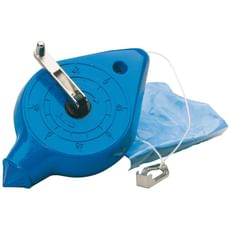
Draper incorporates numerous practical features into their Lines & Pins range that enhance usability and extend service life. Chalk line reels typically feature robust ABS housings that protect the internal mechanism from impact damage while remaining lightweight enough for all-day carrying. High-gear-ratio winding systems enable rapid line retrieval without excessive handle rotation, whilst spring-loaded line locks prevent accidental unwinding during marking operations. Many Draper chalk lines incorporate integrated line levels, transforming them into dual-purpose tools that eliminate the need to carry separate equipment.
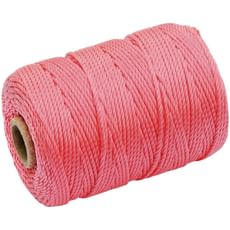
The line materials themselves demonstrate Draper's attention to specification detail. Braided construction resists fraying and provides superior chalk retention compared to twisted alternatives, whilst high-visibility colours—including fluorescent options—ensure marked lines remain clearly visible across varied substrate colours and lighting conditions. Line strengths are carefully matched to application requirements, with heavier-duty options for construction work and lighter variants for carpentry and indoor applications.
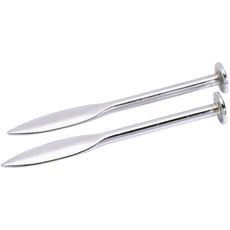
Draper's pins and pegs feature hardened steel construction with pointed tips that penetrate compacted soil, aggregate bases, and even soft masonry. Generous head diameters prevent line slippage whilst providing a substantial target for hammer strikes, and corrosion-resistant coatings extend operational life when working in damp conditions. Many designs incorporate high-visibility paint or caps that prevent accidental site hazards and make retrieval easier at day's end.
Popular Draper Lines & Pins
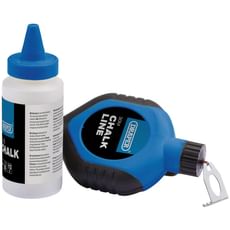
The Draper chalk line range includes various capacities to suit different project scales, from compact 15-metre versions ideal for internal joinery work to heavy-duty 30-metre models designed for site engineers setting out large foundations. Professional-grade reels feature metal gear mechanisms and reinforced cases that withstand the treatment typical of busy construction sites, whilst maintaining the smooth operation essential for clean, crisp lines. Refillable designs accept standard powdered chalk in various colours, allowing tradespeople to differentiate between multiple layout lines or match marking colours to specification requirements.
Steel marking pins in the Draper catalogue typically range from 150mm to 450mm lengths, accommodating everything from shallow formwork to deep excavation marking. Longer pins provide the leverage necessary to drive into hard ground without bending, whilst shorter variants suit precise internal work where protruding pins might create hazards. Sets bundled with line provide complete solutions for immediate deployment, particularly valuable for apprentices and those new to site work.
Safety and Compliance
Whilst Lines & Pins represent relatively simple hand tools, their safe usage remains paramount on any worksite. Draper designs incorporate features that minimise injury risks, including rounded edges on housings to prevent hand lacerations and secure pin storage solutions that prevent accidental puncture wounds. When using marking pins on active construction sites, high-visibility identification prevents trip hazards, and removal of pins immediately after use eliminates unnecessary site dangers.
The chalk powders used with Draper lines should be handled according to COSHH guidelines, with dust masks recommended when working in confined spaces or when refilling lines generates airborne particles. Operators should inspect lines before each use for signs of wear or fraying that might cause breakage during tensioning, as sudden line failure can cause injury if the released energy strikes personnel or property. Following HSE guidance for manual handling prevents strain injuries when driving longer pins into hard ground, with proper striking techniques and appropriate-weight hammers reducing fatigue and improving accuracy.
Frequently Asked Questions
What length chalk line is most versatile for general building work?
A 30-metre Draper chalk line represents the optimal balance for most construction applications, providing sufficient length for setting out typical house foundations and external walls whilst remaining manageable for single-operator use. This capacity covers approximately 90% of common bricklaying, blockwork, and groundwork marking requirements without the bulk and weight of longer professional surveying lines.
How do I prevent Draper chalk lines from tangling inside the reel?
Maintaining consistent tension whilst rewinding prevents bunching and tangling. Allow the line to retract under the reel's spring tension rather than manually pushing line back into the housing, and periodically extend the full line length to remove any developing kinks. Avoid overfilling chalk reservoirs, as excess powder can create clumps that interfere with smooth winding.
What's the difference between red and blue marking chalk?
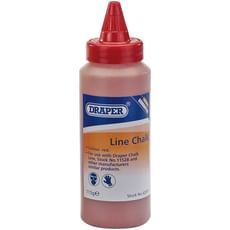
Red chalk typically offers superior permanence and visibility on light-coloured substrates, making it ideal for long-term reference lines that must survive weather exposure. Blue chalk washes away more readily, suiting temporary marks on finished surfaces where permanent staining would be unacceptable. Draper lines accept both types, allowing tradespeople to select appropriate colours for specific applications.
Can Draper steel pins be reused after driving into hard ground?
Quality hardened steel pins from Draper withstand repeated use across multiple projects when properly maintained. Clean soil and debris from pins after use to prevent corrosion, inspect for bending or tip damage before redeployment, and store in dry conditions. Bent pins should be replaced rather than straightened, as work-hardening from bending reduces structural integrity and increases breakage risk during subsequent use.
How often should I replace the line on a Draper chalk reel?
Inspect lines regularly for fraying, especially near the hook attachment point where tension concentrates. Replace lines showing visible damage, inconsistent thickness, or reduced chalk retention. Under typical trade use, replacement every 12-18 months maintains optimal performance, though this varies considerably based on usage intensity and working conditions. The modest cost of replacement line represents worthwhile insurance against mid-job failures that disrupt productivity.