

Draper Marking Gauges
 Loading...
End of content
Error - No more pages to load
Draper Marking Gauges at Tooled-Up.com
Draper Tools has been a trusted name in precision hand tools since 1919, and their marking gauges exemplify the brand's commitment to accuracy and durability. Designed for woodworkers, joiners, and craftspeople who demand consistent, reliable performance, Draper marking gauges combine traditional craftsmanship with modern manufacturing standards. Whether you're scribing parallel lines for joinery work, marking mortise positions, or setting out dovetails, Draper's range delivers the precision needed for professional results.
The Draper marking gauge collection available from Tooled-Up.com encompasses traditional wooden models and modern variations, each engineered to provide smooth, accurate marking across various materials. From apprentice joiners learning their craft to experienced cabinetmakers working on bespoke furniture projects, Draper marking gauges offer the consistency and build quality that professionals rely on day after day. The brand's attention to detail is evident in every component, from the hardened steel marking pins to the carefully finished hardwood stocks.
Tooled-Up stocks Draper marking gauges that represent exceptional value for money without compromising on quality. Each tool is manufactured to exacting standards, ensuring that measurements remain accurate and adjustments stay secure throughout extended use. The robust construction means these gauges can withstand the rigours of busy workshop environments whilst maintaining their precision over years of service.
Why Choose Draper Marking Gauges?
Draper's reputation for producing reliable, well-engineered tools at accessible price points makes their marking gauges an excellent choice for both professional tradespeople and serious DIY enthusiasts. The brand's century-long heritage means they understand exactly what woodworkers need from their measuring and marking tools. Each marking gauge undergoes rigorous quality control to ensure it meets Draper's exacting standards before reaching customers.
The precision engineering behind Draper marking gauges ensures consistent performance across different wood types and grain patterns. Smooth sliding actions, secure locking mechanisms, and carefully positioned marking points allow users to work quickly and accurately. Unlike cheaper alternatives that can drift out of adjustment or produce inconsistent marks, Draper gauges maintain their settings reliably, reducing material waste and improving productivity on every project.
Draper backs their marking gauges with comprehensive customer support and stands behind the quality of their manufacturing. The brand's extensive distribution network across the UK means replacement parts and accessories are readily available, protecting your investment for the long term. This combination of quality construction, practical design, and dependable after-sales support makes Draper marking gauges a sensible choice for anyone serious about woodworking.
Who Uses Draper Marking Gauges?
- Joiners and Cabinetmakers: Professionals creating bespoke furniture and fitted joinery who require accurate, repeatable marking for joints and component positioning
- Carpenters: Site-based tradespeople marking out timber frames, door hanging positions, and structural components
- Furniture Restorers: Craftspeople working on antique and period furniture who need precise marking for replacement components and repairs
- Workshop Tutors and Colleges: Educational establishments teaching traditional woodworking skills and joinery techniques
- Woodworking Enthusiasts: Hobbyists and DIYers undertaking home renovation projects, furniture making, and general carpentry work
- Shopfitters: Specialists installing retail fixtures and fittings who need reliable marking tools for on-site fabrication
- Boat Builders: Marine craftspeople marking out timber components for traditional boat construction and restoration
Key Features of Draper Marking Gauges
Draper marking gauges feature hardened steel marking pins or cutters that maintain their sharpness through extended use, producing clean, visible lines without tearing wood fibres. The pins are carefully positioned and shaped to scribe consistent marks regardless of grain direction, making them suitable for both softwoods and hardwoods. This attention to the cutting element ensures professional results across diverse applications.
The wooden stocks on Draper marking gauges are manufactured from carefully selected hardwoods that resist wear and dimensional changes. Smooth, flat faces ensure the gauge slides consistently along the workpiece edge, whilst comfortable profiles make extended use less fatiguing. The natural warmth of wood also provides better grip control compared to metal or plastic alternatives, particularly important in cold workshop conditions.
Brass or steel thumbscrews provide secure locking that holds settings firmly without requiring excessive force. The thread pitch and head design are optimised for quick adjustments whilst preventing accidental movement during use. This balance between security and ease of adjustment is crucial for maintaining productivity when marking multiple components or switching between different measurements.
Graduated scales on many Draper marking gauges allow for quick, accurate setup without needing separate measuring tools. Clear, deeply engraved markings in both metric and imperial measurements remain legible even after years of workshop use. This built-in measurement capability streamlines workflow and reduces the potential for transcription errors when transferring dimensions.
Popular Draper Marking Gauges
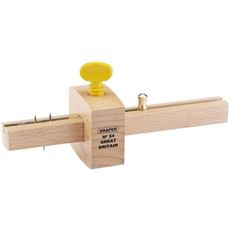
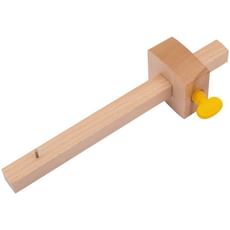
Traditional wooden marking gauges remain the most popular choice among Draper users, combining classic design with proven functionality. These single-pin gauges excel at scribing lines parallel to an edge for general joinery work, offering straightforward operation and reliable performance across countless applications. The timeless design has changed little over centuries because it simply works.
Cutting gauges with knife-style blades provide cleaner cuts across grain when marking shoulders for tenons or scribing veneer. The cutting action severs fibres rather than tearing them, producing crisp lines that serve as precise starting points for sawing or chiselling. These specialised gauges are particularly valued by furniture makers and joiners working to fine tolerances.
Mortise gauges featuring dual pins allow simultaneous marking of both sides of a mortise or tenon, ensuring perfectly matched joints. The independently adjustable pins accommodate various chisel widths whilst maintaining parallel alignment. This time-saving feature makes mortise gauges essential tools for anyone regularly cutting traditional timber joints.
Safety and Compliance
Whilst marking gauges are relatively simple hand tools, proper handling practices ensure safe operation and extend tool life. Always ensure the marking pin or cutter is sharp and properly secured before use – dull or loose components can slip and cause injury or damage workpieces. Store marking gauges with pins retracted or covered to prevent accidental contact and maintain sharpness.
Work in well-lit conditions when using marking gauges to ensure accurate positioning and avoid strain. Maintain firm, controlled pressure when scribing lines, allowing the tool to cut at its own pace rather than forcing it through the material. This approach produces cleaner marks whilst reducing the risk of the gauge slipping unexpectedly.
Regular maintenance keeps Draper marking gauges performing optimally. Periodically clean wooden components with a dry cloth to remove sawdust and debris, and apply a light coat of furniture wax to preserve the wood and ensure smooth sliding action. Check thumbscrews remain tight and threads clean, addressing any stiffness promptly to maintain precise adjustability.
Frequently Asked Questions
Are Draper marking gauges suitable for professional workshop use?
Yes, Draper marking gauges are designed to withstand the demands of professional workshops and construction sites. Their robust construction, quality materials, and precision manufacturing make them reliable tools for daily use by joiners, carpenters, and furniture makers. Many professional tradespeople choose Draper marking gauges for their combination of performance and value.
What's the difference between a marking gauge and a cutting gauge?
A marking gauge uses a pointed pin that scores a line by scratching the wood surface, working effectively along the grain. A cutting gauge features a knife-style blade that slices through wood fibres, making it more suitable for marking across grain where a pin might tear the fibres. Draper manufactures both types to suit different woodworking applications.
How do I sharpen the pin on a Draper marking gauge?
Sharpen the marking pin using a fine sharpening stone or diamond file, working around the pin in a circular motion to maintain its conical point. Avoid creating flat spots which can cause the gauge to pull to one side during use. The pin should come to a sharp point without being needle-fine, which would make it fragile. Check sharpness by testing on scrap wood – a properly sharpened pin produces a clean, consistent line.
Can Draper marking gauges be used on materials other than wood?
Whilst designed primarily for woodworking, Draper marking gauges can mark softer plastics and composite materials. However, the steel pins may not be suitable for metals or very hard materials. For specialist applications beyond traditional woodworking, consider whether a scriber or alternative marking tool might be more appropriate to avoid damaging the gauge or producing poor-quality marks.
How accurate are Draper marking gauges for fine joinery work?
Draper marking gauges provide excellent accuracy for traditional joinery when properly maintained and used correctly. The precision of your marks depends on factors including pin sharpness, stock flatness, and user technique. With care, these gauges can consistently produce marks accurate to within fractions of a millimetre, making them suitable for furniture making, cabinetry, and other precision woodworking applications where tight-fitting joints are essential.