

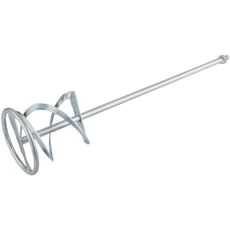
Draper Mixing Paddles
 Loading...
End of content
Error - No more pages to load
Draper Mixing Paddles at Tooled-Up.com
Draper Tools has established itself as one of the UK's most trusted names in professional equipment, and their mixing paddle range exemplifies the brand's commitment to quality and innovation. Designed for professionals and serious DIY enthusiasts alike, Draper mixing paddles deliver reliable performance across a wide spectrum of mixing applications, from thin plasters and adhesives to heavy-duty renders and cement-based compounds. Each paddle is engineered with precision to ensure efficient mixing whilst minimising splashing and air incorporation, resulting in consistently smooth, lump-free mixes that meet the exacting standards of today's tradespeople.
The Draper mixing paddle collection available from Tooled-Up.com features various designs tailored to specific materials and mixing requirements. Whether working with tile adhesives, levelling compounds, paints, or heavy mortars, there's a Draper paddle configuration optimised for the task. These tools are manufactured from robust materials with reinforced shafts and hex shanks designed to withstand the demanding torque generated by high-powered mixing drills, ensuring longevity even under intensive site use.
Tooled-Up stocks Draper mixing paddles in multiple sizes and configurations, accommodating everything from small batch mixing in confined spaces to large-volume preparation work. The thoughtful design of these paddles makes them compatible with standard 240v mixing drills and battery-powered models, offering versatility across different work environments and power availability scenarios.
Why Choose Draper Mixing Paddles?
Draper's reputation for producing dependable, value-driven tools extends firmly into their mixing paddle range. With over a century of tool manufacturing experience, Draper understands the real-world demands placed on mixing equipment by plasterers, tilers, decorators, and builders. Their mixing paddles represent exceptional value without compromising on performance or durability—a balance that has made Draper a go-to brand for cost-conscious professionals and DIYers across the UK.
The build quality of Draper mixing paddles consistently exceeds expectations at their price point. Featuring welded construction rather than spot-welded joints, these paddles resist bending and breaking even when mixing dense, heavy materials. The galvanised or powder-coated finishes provide excellent corrosion resistance, essential for tools frequently exposed to moisture and chemical additives found in modern construction materials. The hex shank design ensures secure grip within drill chucks, virtually eliminating the slippage issues that plague inferior paddles and can damage both the tool and the drill.
Draper's commitment to practical innovation means their mixing paddles incorporate design features that make a genuine difference on site. Blade configurations are optimised to create effective flow patterns that pull material from container sides and bottoms, reducing manual scraping and ensuring thorough mixing in less time. This efficiency translates directly into labour savings and improved productivity, particularly valuable on larger projects where mixing time accumulates significantly throughout a working day.
Who Uses Draper Mixing Paddles?
Draper mixing paddles serve a diverse range of trades and applications:
- Plasterers – mixing bonding agents, multi-finish plasters, and rendering compounds
- Tilers – preparing adhesives, grouts, and levelling compounds to precise consistencies
- Decorators – blending paints, textured coatings, and emulsions for uniform application
- Builders and General Contractors – mixing mortars, concrete additives, and repair compounds
- Flooring Specialists – preparing self-levelling screeds and latex compounds
- Maintenance Teams – on-site mixing for repairs across commercial and residential properties
- DIY Enthusiasts – tackling home renovation projects requiring professional-quality mixing
- Restoration Professionals – working with specialist lime mortars and heritage materials
Key Features of Draper Mixing Paddles
Draper mixing paddles incorporate several distinctive features that enhance performance and longevity. The robust steel construction provides the necessary rigidity to maintain blade geometry under load, preventing the flexing that reduces mixing efficiency. Hex shanks, typically 10mm or 13mm depending on paddle size, offer universal compatibility with standard SDS-Plus adaptors and keyless chucks on both corded 240v and cordless mixing drills.
The blade configurations vary across the range to suit different material viscosities. Open spiral designs excel with thinner materials like paints and adhesives, creating gentle lifting action that minimises air entrainment. Closed or semi-closed paddle designs generate more aggressive mixing action suitable for heavier compounds, whilst dual-blade or counter-rotating designs provide maximum efficiency for large-volume mixing tasks.
Draper's attention to practical details includes features like rounded edges that protect container interiors from damage and facilitate easier cleaning. The galvanised finish on many models resists the corrosive effects of cement-based materials, significantly extending service life compared to uncoated alternatives. Shaft lengths are carefully proportioned to provide adequate reach for standard bucket depths whilst maintaining structural integrity during high-torque operation.
Popular Draper Mixing Paddles
The Draper range encompasses several popular configurations suited to different applications. Spiral mixing paddles remain the most versatile choice, with their helical blade design effectively handling everything from thin paint to medium-viscosity tile adhesives. These typically range from 80mm to 120mm diameter, covering most general mixing requirements on residential and light commercial projects.
Helix-style paddles with enclosed blade sections provide enhanced performance with heavier mortars and renders, where increased torque and aggressive mixing action are required. These robust designs are favoured by plasterers and builders working with dense, cement-rich materials that demand more powerful mixing equipment.
Smaller diameter paddles (60-80mm) prove ideal for mixing smaller batches in confined spaces or when working with specialist materials where over-mixing could compromise performance. Conversely, larger paddles exceeding 120mm diameter cater to high-volume applications where productivity demands outweigh the requirement for portable, lightweight equipment.
Safety and Compliance
When using Draper mixing paddles, adherence to Health and Safety Executive (HSE) guidelines ensures safe operation. Always ensure mixing paddles are securely fitted with the drill chuck tightened properly before operation. The significant torque generated during mixing, particularly with viscous materials, can cause drill kickback if the paddle binds or encounters resistance—maintain a firm two-handed grip and anticipate rotational forces.
Personal protective equipment is essential: safety glasses protect against splashes, dust masks prevent inhalation of airborne particles when mixing dry powders, and appropriate gloves safeguard hands from skin irritants in many construction materials. Ensure adequate ventilation when mixing materials that release fumes or fine dust particles, complying with COSHH regulations for workplace exposure.
Electrical safety is paramount when using 240v mixing equipment. Always inspect power cables for damage before use, and ensure RCD protection is in place, particularly on construction sites where moisture and debris create additional electrical hazards. When working at height or in awkward positions, secure your work area properly to prevent accidents caused by tool kickback or material spillage.
Frequently Asked Questions
What size drill do I need for Draper mixing paddles?
Most Draper mixing paddles require a drill with minimum power output of 1000-1200 watts for 240v corded models, or 18V for cordless drills. The drill should have a 10mm or 13mm keyless chuck or SDS-Plus adaptor. For heavier materials and larger paddles, drills with 1400-1600 watts provide better performance and reduce motor strain during extended mixing sessions.
Can Draper mixing paddles be used with SDS drills?
Draper mixing paddles with hex shanks can be used with SDS-Plus drills when fitted with an appropriate hex shank adaptor. However, standard rotary drill mode (with rotation lock disengaged) must be used—never use hammer action when operating mixing paddles, as this will damage both the paddle and potentially the material being mixed.
How do I clean Draper mixing paddles after use?
Clean paddles immediately after use before materials cure. For water-based compounds, rinse thoroughly in clean water, using a stiff brush to remove residue from blade surfaces. For cement-based materials that have begun to set, soak in water to soften, then scrub clean. Dried material can be chipped away carefully, though prevention through prompt cleaning is always preferable to preserve blade geometry and surface finish.
What's the difference between spiral and helix mixing paddles?
Spiral paddles feature open, twisted blade designs that create upward flow, ideal for thinner materials like paints, varnishes, and liquid adhesives where gentle mixing prevents excessive air incorporation. Helix paddles have more enclosed, robust blade configurations generating aggressive downward and upward flow patterns suited to heavier mortars, renders, and dense compounds requiring more forceful mixing action to achieve homogeneous consistency.
Are Draper mixing paddles suitable for epoxy resins?
Yes, Draper mixing paddles effectively mix epoxy resins, though thorough cleaning immediately after use is crucial as cured epoxy is extremely difficult to remove. Smaller diameter spiral paddles work best with epoxies, providing adequate mixing action whilst minimising air entrainment that can weaken the cured resin. Disposable paddles may be more economical for occasional epoxy work where cleaning solvents and labour costs exceed paddle replacement costs.