

Draper Needle Files
 Loading...
End of content
Error - No more pages to load
Draper Needle Files at Tooled-Up.com
Draper Tools has built a formidable reputation over decades for producing precision hand tools that deliver exceptional value and reliability, and their needle files are no exception. These specialist files are essential instruments for detailed metalwork, jewellery making, model engineering, and fine finishing applications where standard files simply cannot reach. The Draper needle file range combines traditional craftsmanship with modern manufacturing techniques to produce tools that meet the exacting standards of professional tradespeople and serious hobbyists alike.
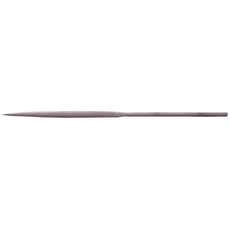
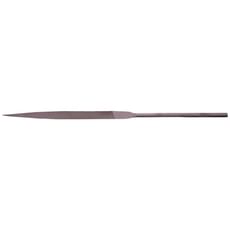
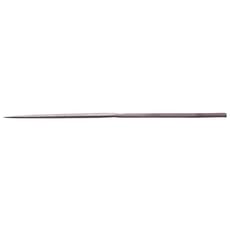
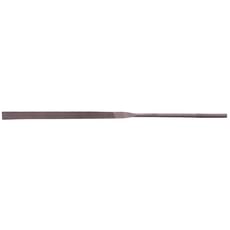
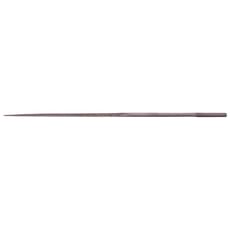
Typically supplied in comprehensive sets, Draper needle files feature hardened and tempered steel construction with precision-cut teeth that maintain their sharpness through extended use. Each file in a Draper set serves a specific purpose, with profiles including flat, half-round, round, square, triangular, and knife-edge configurations. This variety ensures users have the right tool for every detailed filing task, from deburring small holes to shaping intricate contours in metal components.
Available from Tooled-Up.com, Draper needle files represent an investment in quality that pays dividends through consistent performance and longevity. Whether purchased as complete sets or individual files, these tools are designed to withstand the rigours of daily workshop use whilst maintaining the delicate precision required for fine detail work.
Why Choose Draper Needle Files?
Draper's commitment to quality manufacturing ensures their needle files deliver the precision and durability that professionals demand. Each file undergoes careful heat treatment processes that achieve the optimal balance between hardness for cutting performance and toughness to resist breakage. The carefully engineered tooth patterns provide efficient material removal without clogging, whilst the ergonomic handles offer comfortable control during extended filing sessions.
Value for money has always been a cornerstone of the Draper philosophy, and their needle files exemplify this principle. Priced accessibly without compromising on quality, these files offer an affordable entry point for apprentices and DIY enthusiasts, whilst providing the performance standards that experienced tradespeople expect. Draper's extensive quality control procedures ensure consistency across their range, meaning every file meets the same rigorous specifications.
The brand's heritage spanning over a century gives customers confidence in their purchase. Draper has continuously refined their manufacturing processes and materials selection, incorporating feedback from professional users to enhance their products. This evolution ensures Draper needle files remain relevant and competitive in an increasingly demanding marketplace where precision engineering is paramount.
Who Uses Draper Needle Files?
Draper needle files serve a diverse range of users across multiple industries and applications:
- Jewellers and Silversmiths: For shaping precious metals and refining intricate designs in rings, pendants, and decorative items
- Model Engineers: Creating precise components for scale models, steam engines, and miniature mechanical assemblies
- Instrument Makers: Fine-tuning components for musical instruments and precision measurement devices
- Tool and Die Makers: Finishing moulds, dies, and jigs where accuracy is measured in fractions of millimetres
- Locksmiths: Adjusting locks, keys, and security mechanisms requiring delicate material removal
- Electronics Engineers: Modifying enclosures, deburring PCB mounting holes, and preparing precision housings
- Gunsmiths: Fine finishing and fitting of firearm components demanding exacting tolerances
- Hobbyists and Makers: For detailed work in model railways, remote-controlled vehicles, and craft projects
Key Features of Draper Needle Files
Draper needle files incorporate several distinctive features that enhance their functionality and user experience. The files are manufactured from high-carbon steel that has been precisely hardened and tempered to achieve optimal cutting characteristics. This metallurgical treatment ensures the teeth remain sharp through extensive use whilst the file body retains sufficient flexibility to resist snapping under normal working conditions.
The precision-cut teeth are engineered to provide efficient material removal with minimal clogging, even when working with softer metals like aluminium, brass, and copper. Each tooth is formed to consistent dimensions, ensuring uniform cutting action across the entire working surface. The variety of profiles available in Draper sets ensures users can access tight corners, work internal curves, and reach confined spaces that would be impossible with conventional files.
Handle design receives careful attention in Draper needle files. Many sets feature comfortable knurled or ribbed grips that provide secure control without causing hand fatigue during extended filing sessions. The handles are firmly attached to prevent loosening during use, and their diameter is optimised for the delicate control required in precision work. Sets typically include protective storage cases or wallets that keep files organised and protected from damage when not in use.
Popular Draper Needle Files
The Tooled-Up Draper range typically includes comprehensive needle file sets containing six to twelve pieces, offering the complete profile selection needed for professional work. These sets commonly measure 140mm to 160mm in overall length, with working lengths of approximately 60mm to 80mm – dimensions that provide excellent control whilst offering sufficient reach for most applications.
Professional-grade sets often feature second-cut tooth patterns that balance material removal rate with surface finish quality, making them versatile enough for both rough shaping and final finishing operations. Specialist sets may include finer tooth configurations for ultra-precise work on hardened materials or delicate components where surface finish is critical.
Individual replacement files are also popular, allowing users to replace worn favourites or add specific profiles to their existing collection. The most frequently used shapes – flat, half-round, and round – tend to wear faster in professional settings, making individual file availability particularly valuable for maintaining workshop efficiency.
Safety and Compliance
Whilst needle files are relatively safe hand tools, proper usage practices ensure optimal results and prevent injury. Always secure workpieces firmly in a vice or clamp before filing to prevent slipping that could cause the file to glance off and potentially cause hand injuries. Wear appropriate eye protection, as metal particles can be dislodged during filing operations, particularly when working with brittle materials.
Maintain files in good condition by storing them separately to prevent teeth damage from contact with other tools. Clean files regularly using a file card or brass brush to remove metal particles lodged between teeth, as this maintains cutting efficiency and prevents scratching of workpieces. Never use needle files as pry bars, punches, or scrapers, as these applications can damage the hardened steel and cause breakage.
Inspect files before use for signs of wear, damage, or loose handles. Damaged files should be replaced rather than repaired, as compromised structural integrity can lead to unexpected failure during use. When working with needle files, the HSE recommends maintaining good lighting and comfortable working positions to reduce eye strain and prevent repetitive strain injuries during extended filing sessions.
Frequently Asked Questions
What materials can I work with using Draper needle files?
Draper needle files are designed primarily for metalworking applications and perform excellently on ferrous metals, aluminium, brass, copper, and precious metals. They can also be used on plastics, composites, and hardwoods, though files dedicated to metalwork will wear more quickly when used extensively on abrasive materials. For optimal results and file longevity, match the file grade to your material hardness.
How do Draper needle files differ from standard workshop files?
Needle files are substantially smaller and more delicate than standard files, typically measuring 140-160mm overall compared to 200-350mm for workshop files. Their reduced size and finer teeth make them ideal for detailed work, intricate shapes, and confined spaces. The smaller cross-sections allow access to holes, slots, and recesses impossible to reach with conventional files, whilst the finer tooth patterns produce superior surface finishes.
Can Draper needle files be resharpened when they become dull?
Unlike some cutting tools, needle files cannot be practically resharpened once their teeth become worn. The precision cutting of file teeth requires specialised industrial equipment that makes resharpening economically unviable for individual files. However, properly maintained Draper needle files offer extended service life, and their affordable price point makes replacement practical when cutting performance diminishes.
What's the difference between cut grades in needle files?
File cut refers to the coarseness of the teeth, with common grades including bastard cut (coarsest), second cut (medium), and smooth cut (finest). Draper typically supplies needle files in second cut, which provides an excellent balance for most applications. Coarser cuts remove material more quickly but leave rougher surfaces, whilst finer cuts produce superior finishes but work more slowly. Second cut offers versatility for both material removal and finishing operations.
How should I store my Draper needle file set?
Store needle files in the protective case or wallet supplied with most Draper sets to prevent tooth damage from contact with other tools. Keep files in a dry environment to prevent rust formation on the steel surfaces. If files become damp during use, dry them thoroughly and apply a light coating of machine oil before storage. Avoid storing files loose in toolboxes where movement and contact with other tools can damage the precision-cut teeth and reduce cutting performance.