

Draper Ogee & Classic Moulding Bits
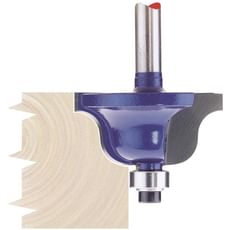
 Loading...
End of content
Error - No more pages to load
Draper Ogee & Classic Moulding Bits at Tooled-Up.com
Draper Tools has established itself as a cornerstone of British manufacturing excellence, and their range of ogee and classic moulding bits continues this tradition with precision-engineered router cutters designed for fine woodworking. These tungsten carbide tipped (TCT) router bits deliver the decorative edge profiles that transform ordinary timber into beautifully finished furniture, cabinetry, and architectural joinery. Whether creating traditional ogee profiles with their distinctive S-shaped curves or classic beading and cove patterns, Draper's moulding bits are manufactured to exacting tolerances that professional joiners and dedicated woodworking enthusiasts demand.
The Draper approach to router bit design prioritises both cutting performance and longevity. Each ogee and classic moulding bit features carefully balanced geometry with hardened steel shanks and razor-sharp carbide cutting edges that maintain their profile consistency across thousands of linear metres. Tooled-Up.com stocks Draper moulding bits in standard 1/4" and 1/2" shank sizes, making them compatible with the vast majority of routers used across UK workshops, from portable trim routers to heavy-duty table-mounted units.
From ornate period restoration work requiring authentic edge profiles to contemporary furniture making where subtle detailing makes the difference, Draper's ogee and classic moulding bits provide the versatility that woodworkers need. These router cutters excel when working with hardwoods, softwoods, MDF, and composite materials, delivering clean cuts with minimal tearout when used with appropriate feeds and speeds on routers operating at standard UK 240v mains power.
Why Choose Draper Ogee & Classic Moulding Bits?
Draper's reputation for delivering professional-grade tools at accessible price points makes their ogee and classic moulding bits an intelligent choice for tradespeople and hobbyists alike. The brand's heritage stretches back over a century, and this experience translates into router bits that balance performance with value. Each cutter undergoes rigorous quality control to ensure the profile accuracy that's essential when matching existing mouldings or creating uniform decorative edges across multiple pieces.
The tungsten carbide tips used in Draper moulding bits are brazed to precision-ground bodies, creating robust cutting edges that resist the heat and friction generated during extended routing operations. This construction method ensures consistent performance whether you're routing a single picture frame or producing dozens of cabinet doors. The anti-kickback design incorporated into many Draper router bits provides an additional safety margin, particularly important when working with larger diameter moulding cutters on handheld routers.
Value-conscious professionals appreciate that Draper ogee and classic moulding bits deliver results comparable to premium brands whilst remaining within realistic tool budgets. For workshop owners managing multiple tradespeople or DIY enthusiasts building their router bit collection, this combination of quality and affordability makes Draper an obvious choice.
Who Uses Draper Ogee & Classic Moulding Bits?
- Cabinet makers and fitted furniture specialists creating decorative edges on doors, drawer fronts, and face frames
- Joiners and carpenters producing architraves, skirting details, and window components for period properties
- Furniture restoration specialists matching historic moulding profiles in conservation and repair work
- Shopfitters crafting display units, counters, and retail joinery requiring decorative edge treatments
- Timber frame specialists adding finishing details to exposed beam work and architectural features
- Woodturners and craftspeople complementing turned work with routed decorative profiles
- DIY enthusiasts tackling home improvement projects from kitchen refurbishments to bespoke shelving
- Educational workshops teaching traditional woodworking techniques and router operation
Key Features of Draper Ogee & Classic Moulding Bits
Draper engineers their ogee and classic moulding bits with tungsten carbide cutting edges that maintain sharpness significantly longer than high-speed steel alternatives. The carbide tips are ground to create precise profile geometries, ensuring that the decorative edge produced matches the design specifications exactly. This precision matters when creating symmetrical profiles on paired components or when matching existing architectural mouldings.
The shank design incorporates generous diameter sizing to minimise deflection during cutting, which is particularly important with larger profile bits that remove substantial material. Draper typically uses 1/4" shanks for smaller profile cutters and 1/2" shanks for larger moulding bits, with the shank length providing adequate grip within the router collet whilst maintaining proper cutting depth capacity.
Heat-resistant PTFE coatings on selected Draper router bits reduce friction and resin build-up, keeping the cutters cleaner during operation and making post-use maintenance more straightforward. The bearing guides fitted to edge-forming bits run smoothly on precision ball races, providing consistent referencing against templates or workpiece edges without marking softer timber species.
Popular Draper Ogee & Classic Moulding Bits
The classic ogee profile remains one of the most requested edge treatments in furniture making and joinery, and Draper produces several size variations to suit different material thicknesses and visual scales. These distinctive S-curved profiles add elegant detailing to table edges, cabinet doors, and decorative panels, creating shadow lines that enhance visual interest.
Roman ogee bits from Draper offer a variation on the standard ogee with a more pronounced curve transition, popular in traditional and reproduction furniture. Beading bits create simple rounded profiles perfect for softening sharp edges, whilst cove bits cut concave curves ideal for cornice work and decorative edge treatments. Multi-profile bits that combine elements—such as ogee patterns with beading details—allow craftspeople to achieve complex mouldings in a single pass.
The selection at Tooled-Up typically includes various bearing sizes, allowing the same cutter profile to be used at different offsets from the workpiece edge, effectively multiplying the creative possibilities from a single router bit.
Safety and Compliance
When operating Draper ogee and classic moulding bits, adherence to HSE guidelines for woodworking machinery is essential. Always ensure router bits are securely tightened in the collet with the shank inserted to the maximum depth whilst avoiding bottoming out. Larger diameter moulding bits should be run at reduced speeds—consult the router manufacturer's guidance on appropriate RPM settings for different cutter diameters to prevent dangerous vibration or bit failure.
Personal protective equipment is non-negotiable when routing: safety glasses protect against flying chips, hearing protection guards against the high-frequency noise generated by routers, and dust extraction should be connected to minimise airborne particles. Never attempt to rout freehand with large moulding bits—always use appropriate fences, guides, or templates to maintain control.
Inspect Draper router bits before each use for damage to cutting edges or cracks in the carbide tips. Damaged bits must be withdrawn from service immediately. When not in use, store router bits in protective cases or racks where the cutting edges cannot contact other tools, preserving sharpness and preventing accidents during retrieval.
Frequently Asked Questions
Can Draper ogee bits be used in both handheld routers and router tables?
Yes, Draper ogee and classic moulding bits are suitable for both applications. However, larger diameter profile cutters are safer and easier to control when mounted in a router table, where the workpiece moves past a stationary cutter rather than manoeuvring a handheld router around the work. Always ensure your router has sufficient power (typically 1200W minimum) for larger moulding bits.
How do I achieve tearout-free cuts with Draper moulding bits?
Sharp carbide edges are your first defence against tearout. Route in multiple shallow passes rather than attempting full depth in one go, and always feed against the rotation direction of the bit. Using a backing board when routing across end grain prevents breakout, whilst reducing feed speed on figured or interlocked grain helps the carbide slice cleanly rather than tearing fibres.
What's the difference between a standard ogee and a Roman ogee profile?
A standard ogee creates an S-shaped curve with relatively equal top and bottom radii. A Roman ogee features a more pronounced convex curve at the top with a smaller concave curve below, creating a bolder shadow line. Roman ogee profiles are traditionally associated with classical architecture and period furniture, whilst standard ogees suit contemporary and traditional applications equally well.
How often should I clean and maintain Draper router bits?
Clean your Draper moulding bits after each use with a suitable resin and pitch remover, using a brass brush to clear deposits from around the carbide tips and bearing surfaces. Periodic inspection of bearings for smooth rotation is important—roughness indicates wear requiring replacement. Store bits in a dry environment to prevent corrosion on shanks, which could affect collet grip or make bit removal difficult.
Are Draper router bits suitable for use with MDF and composite materials?
Draper's tungsten carbide tipped bits perform well in MDF, plywood, and other composite sheet materials. However, these materials are more abrasive than natural timber and will dull cutting edges more quickly. Ensure adequate dust extraction when routing MDF, as the fine dust is particularly hazardous. The carbide construction of Draper bits provides good longevity even in abrasive materials, though you may need to reduce feed rates slightly to maintain cut quality.