

Draper Planes
 Loading...
End of content
Error - No more pages to load
Draper Planes at Tooled-Up.com
Draper Tools has earned a distinguished reputation in the UK tool market for producing reliable, high-quality hand tools that combine traditional craftsmanship with modern manufacturing standards. The Draper planes collection represents this commitment perfectly, offering both professional tradespeople and serious DIY enthusiasts a comprehensive selection of hand planes designed for precision woodworking tasks. From smoothing rough timber to creating perfectly flat surfaces and fine-tuning joints, Draper planes deliver consistent performance across a wide range of woodworking applications.
Whether you're a professional joiner working on bespoke furniture or a dedicated woodworking hobbyist restoring period features, the Draper planes available from Tooled-Up.com provide the accuracy and build quality needed for exacting work. The range encompasses everything from compact block planes for detailed work to full-sized bench planes for surface preparation, all manufactured to Draper's exacting standards. Each plane features carefully engineered components that work in harmony to deliver clean, controlled cuts across both softwoods and hardwoods.
Draper's approach to plane manufacturing balances affordability with quality construction, making professional-grade woodworking tools accessible to a broader market. The brand's planes incorporate precision-ground cutting irons, robust cast bodies, and well-designed adjustment mechanisms that allow users to achieve fine control over cutting depth and blade angle. This attention to detail ensures that Tooled-Up stocks Draper planes that can handle demanding daily use whilst remaining within reach of budget-conscious craftspeople and enthusiastic amateurs alike.
Why Choose Draper Planes?
Draper's reputation spans over a century of tool manufacturing experience in the UK market, and this heritage is evident in their planes collection. The brand understands that a hand plane must feel right in the user's hands, maintain its adjustment settings during extended use, and produce consistently clean shavings without chatter or tear-out. Draper planes are engineered to meet these fundamental requirements whilst offering excellent value compared to premium boutique alternatives.
The quality control standards applied to Draper planes ensure that each tool leaves the factory ready for immediate use, with properly ground blades and accurately machined sole plates. This consistency means tradespeople can rely on Draper planes for site work and workshop applications without extensive fettling or modification. The brand's commitment to using durable materials—including treated cast iron bodies and high-carbon steel cutting irons—ensures longevity even under professional workloads.
Another compelling reason to choose Draper planes is the brand's understanding of the UK market's specific needs. Draper designs their tools with British tradespeople in mind, considering the types of timber commonly worked, the nature of UK joinery practices, and the practical requirements of both site-based and workshop environments. This localised approach results in tools that feel familiar and intuitive to UK craftspeople.
Who Uses Draper Planes?
- Joiners and carpenters who require reliable hand planes for fitting doors, creating clean edges, and fine-tuning timber components on site
- Cabinet makers who need precision planing tools for furniture construction and surface preparation
- Restoration specialists working on period properties where hand tools are essential for sympathetic repairs
- Shop fitters who use planes for trimming and adjusting wooden fixtures during installation
- Boat builders who rely on hand planes for shaping spars, planking, and internal joinery
- Woodworking instructors in colleges and training centres who value affordable, dependable tools for teaching proper hand tool techniques
- DIY enthusiasts undertaking home improvement projects, furniture making, or woodworking as a hobby
- Property maintenance professionals who need versatile hand tools for various carpentry tasks
Key Features of Draper Planes
Draper planes incorporate several design features that contribute to their performance and user-friendliness. The cast iron bodies provide the necessary mass and rigidity to dampen vibrations and produce smooth, controlled cuts. These bodies are carefully machined to create flat sole plates that ensure even contact with the workpiece across the full length of the plane. The weight distribution is balanced to reduce user fatigue during extended planing sessions.
The cutting irons fitted to Draper planes are manufactured from hardened and tempered steel that holds a keen edge through repeated use. These blades are ground to appropriate angles for general woodworking tasks and can be easily resharpened using conventional sharpening stones or honing guides. The blade adjustment mechanisms feature clearly marked settings and robust construction that maintains alignment during use, preventing the frustrating blade drift that plagues inferior planes.
Ergonomic considerations are evident in the design of Draper plane handles and knobs, which are contoured to provide comfortable grip positions during various planing operations. The totes (rear handles) are shaped to accommodate different hand sizes and gripping styles, whilst front knobs offer secure purchase for applying downward pressure where needed. Many Draper planes also feature lateral adjustment levers that allow quick correction of blade alignment without tools, speeding up setup and adjustment during work.
Popular Draper Planes
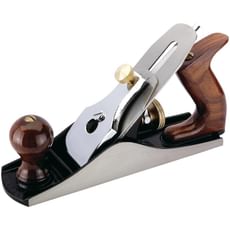
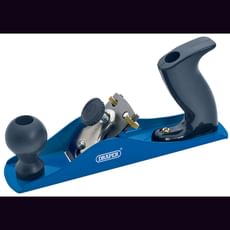
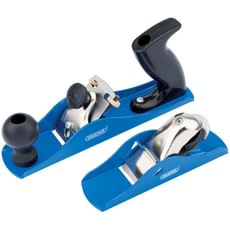
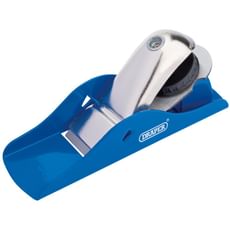
The Draper planes collection encompasses the essential plane types that woodworkers rely upon for different tasks. Block planes are among the most versatile and frequently used, ideal for trimming end grain, chamfering edges, and fine adjustment work. Their compact size and low cutting angle make them indispensable for detail work and one-handed operation.
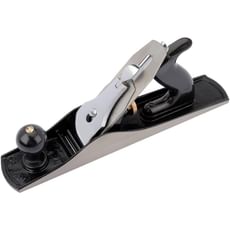
Smoothing planes (typically No. 4 size) represent the workhorses of the bench plane family, used for final surface preparation and general-purpose planing tasks. These planes strike an excellent balance between sole length and manoeuvrability, making them suitable for both flattening operations and finishing work. Jack planes (No. 5 size) offer additional sole length for truing longer boards and removing material more quickly during initial stock preparation.
For specialised applications, Draper offers rebate planes and shoulder planes designed for cutting and refining joints. These planes feature blades that extend to the full width of the body, allowing planing into corners and creating clean, square shoulders on tenons and other joinery features. The precision required for these tasks demands the accurate machining and consistent quality that characterises Draper's manufacturing approach.
Safety and Compliance
Whilst hand planes are unpowered tools, proper safety practices remain essential when using Draper planes. The cutting irons are extremely sharp and should always be handled with care during blade changes, adjustments, and sharpening operations. When not in use, planes should be stored with the blade retracted or laid on their side to protect the cutting edge and prevent accidental contact.
Draper planes meet relevant UK and European safety standards for hand tools, with no sharp edges on handles or adjustment mechanisms that could cause injury during normal use. When working with planes, appropriate personal protective equipment should be considered, including safety glasses to protect against flying splinters and dust masks when planing materials that produce fine dust particles. The HSE recommends proper dust extraction or respiratory protection when undertaking sustained planing operations, particularly with certain hardwoods and treated timbers.
Regular maintenance of Draper planes ensures safe operation and optimal performance. This includes keeping cutting irons properly sharpened (dull blades require excessive force and increase the risk of slipping), checking that all adjustment mechanisms function correctly, and ensuring handles remain securely attached. Before beginning any planing operation, the workpiece should be properly secured in a vice or with clamps to prevent movement that could result in tool control loss.
Frequently Asked Questions
What's the difference between a Draper block plane and a bench plane?
Block planes are smaller, designed for one-handed use, and typically feature a lower blade angle (around 20 degrees) making them ideal for end grain work and detail tasks. Bench planes are larger, used with two hands, have higher cutting angles (around 45 degrees), and are designed for face planing and edge work on longer boards. Draper manufactures both types to suit different woodworking applications.
Do Draper planes come sharpened and ready to use?
Draper planes arrive with factory-ground blades that are suitable for immediate use in most applications. However, many woodworkers prefer to hone the cutting edge to their preferred sharpness before first use. The blades will require periodic resharpening during normal use, which can be accomplished with conventional sharpening stones, honing guides, or powered sharpening systems.
Can Draper plane blades be replaced if damaged?
Yes, replacement blades and spare parts are available for Draper planes, allowing you to maintain your tools over many years of service. This replaceability makes Draper planes a sound investment, as the tool body will typically outlast multiple cutting irons. Replacement blades should match the original specifications to ensure proper fit and performance.
Are Draper planes suitable for hardwoods like oak and walnut?
Absolutely. Draper planes are designed to handle both softwoods and hardwoods when properly set up and maintained. For dense hardwoods, ensure the cutting iron is freshly sharpened and take lighter cuts to avoid tear-out. The robust construction of Draper planes provides the rigidity needed to plane challenging hardwoods effectively, though you may need to adjust your technique and cut depth compared to working softer materials.
How do I prevent my Draper plane from rusting?
Protect Draper plane bodies from rust by wiping them with a light coating of oil or rust-preventative product after use, particularly if working in damp conditions. Store planes in a dry environment and avoid leaving them on damp workbenches overnight. If surface rust does appear, it can typically be removed with fine abrasive paper or rust remover, then the surface should be protected with oil or wax to prevent recurrence.