

Draper Sabre & Reciprocating Saw Blades
 Loading...
End of content
Error - No more pages to load
Draper Sabre & Reciprocating Saw Blades at Tooled-Up.com
Draper Tools has earned its reputation as one of Britain's most trusted tool manufacturers, and their range of sabre and reciprocating saw blades exemplifies the quality and reliability that professionals and keen DIYers have come to expect. Designed for use with both corded and cordless reciprocating saws, Draper sabre blades deliver exceptional cutting performance across a wide variety of materials including wood, metal, plastics, and composite materials. Each blade is engineered to exacting standards, ensuring consistent results whether you're working on demolition projects, installation work, or precision cutting tasks.
The Draper sabre and reciprocating saw blade collection available from Tooled-Up.com encompasses blades for virtually every cutting application. From bi-metal construction for enhanced durability when cutting through ferrous and non-ferrous metals, to high carbon steel variants optimised for rapid wood cutting, Draper provides trade-quality solutions at competitive price points. The brand's commitment to manufacturing excellence means each blade undergoes rigorous quality control, ensuring the teeth remain sharp longer and the blade body resists flexing during demanding cuts.
Whether you're a professional tradesperson requiring reliable blades for daily site work or a DIY enthusiast tackling home renovation projects, Draper's sabre blade range offers the versatility and performance needed to complete jobs efficiently. With various tooth configurations, blade lengths, and material specifications available, finding the right blade for your specific cutting requirements is straightforward.
Why Choose Draper Sabre & Reciprocating Saw Blades?
Draper's heritage spans over a century of tool manufacturing expertise, and this experience is evident in every sabre blade they produce. The brand's reputation for offering professional-grade tools at accessible prices makes their reciprocating saw blades particularly attractive to tradespeople managing budgets without compromising on quality. Draper blades are manufactured using premium materials and heat-treatment processes that enhance blade longevity, reducing the frequency of blade changes and ultimately lowering operational costs.
One of the key advantages of choosing Draper is their comprehensive approach to blade design. Each blade type is purpose-engineered for specific materials and applications, with carefully calculated tooth pitches, set patterns, and blade thicknesses that optimise cutting efficiency. The bi-metal construction used in many Draper sabre blades combines flexible spring steel bodies with high-speed steel cutting edges, creating blades that resist breakage whilst maintaining sharp cutting teeth even in demanding conditions.
Quality assurance is paramount in the Draper manufacturing process. Every blade meets stringent performance criteria before reaching the market, giving users confidence that they're investing in reliable cutting tools. The brand's widespread availability and excellent customer support network throughout the UK further reinforce Draper as a smart choice for sabre and reciprocating saw blades.
Who Uses Draper Sabre & Reciprocating Saw Blades?
Draper sabre and reciprocating saw blades are trusted by a diverse range of users across the construction and maintenance sectors:
- General Builders: For demolition work, cutting through wall studs, and general site cutting tasks
- Plumbers: Cutting through copper pipes, plastic waste pipes, and access work in tight spaces
- Electricians: Creating cable runs, cutting through joists, and modification work
- Carpenters and Joiners: Flush cutting, trimming timber, and detailed carpentry applications
- HVAC Engineers: Cutting ductwork, pipework, and installation materials
- Maintenance Engineers: Equipment disassembly, repair work, and site modifications
- Fitters and Fabricators: Metalwork cutting, bracket removal, and assembly tasks
- DIY Enthusiasts: Home renovations, garden projects, and general maintenance work
- Groundworkers: Cutting plastic pipes, tree roots, and various site materials
Key Features of Draper Sabre & Reciprocating Saw Blades
Draper sabre blades incorporate several important features that enhance their performance and usability:
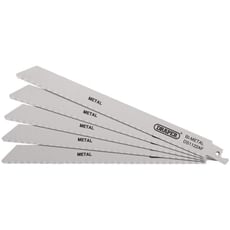
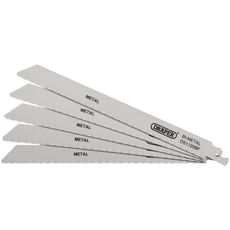
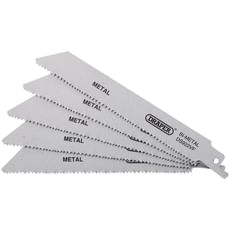
Bi-Metal Construction: Many Draper reciprocating blades feature bi-metal technology, combining a flexible backing material with hardened high-speed steel teeth. This construction prevents blade snapping whilst ensuring the cutting edge remains sharp through extended use.
Universal Shank Design: Draper sabre blades utilise the standard half-inch universal shank fitting, ensuring compatibility with virtually all reciprocating and sabre saws from leading manufacturers. This universal design eliminates compatibility concerns and allows quick blade changes.
Optimised Tooth Geometry: Each blade type features carefully engineered tooth patterns suited to specific materials. Variable tooth pitch designs reduce vibration and improve cutting speed, whilst set patterns ensure efficient chip clearance and prevent binding.
Length Variety: Available in multiple lengths ranging from compact 100mm blades for confined spaces to extended 300mm variants for deep cutting applications, Draper provides options for every scenario.
Material-Specific Options: The range includes blades optimised for wood cutting, metal cutting, demolition work, and multi-material applications, allowing users to select the ideal blade for their project requirements.
Popular Draper Sabre & Reciprocating Saw Blades
The Draper sabre blade collection at Tooled-Up encompasses several popular blade types tailored to different applications:
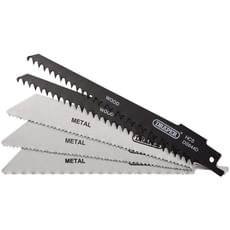
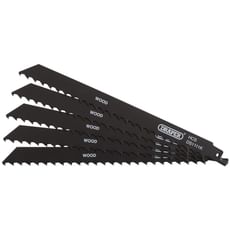
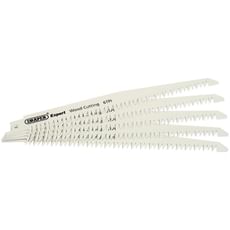
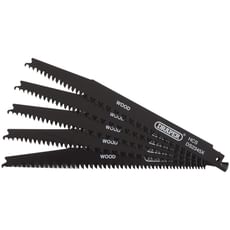
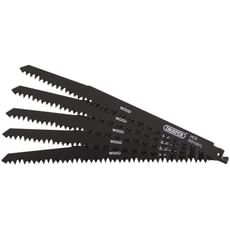
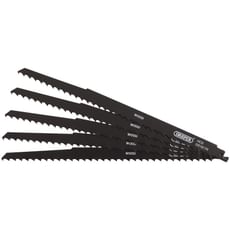
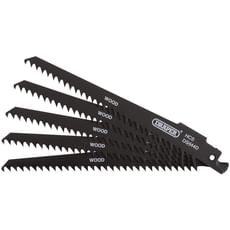
Wood Cutting Blades: High carbon steel blades with aggressive tooth patterns designed for rapid cutting through timber, plywood, chipboard, and composite wood materials. Available in various lengths with coarse tooth pitches typically ranging from 5-6 TPI for fast, rough cutting.
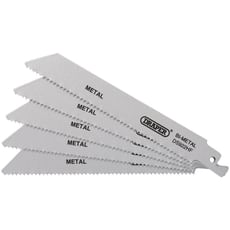
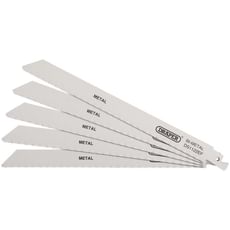
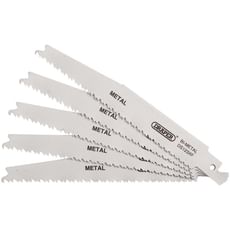
Metal Cutting Blades: Bi-metal construction blades featuring finer tooth configurations (typically 14-24 TPI) ideal for cutting ferrous and non-ferrous metals, including steel pipe, aluminium profiles, and sheet metal. The hardened teeth maintain sharpness even when cutting abrasive materials.
Demolition Blades: Robust blades engineered to withstand the punishment of demolition work, capable of cutting through wood embedded with nails, screws, and other metal fixings without premature failure.
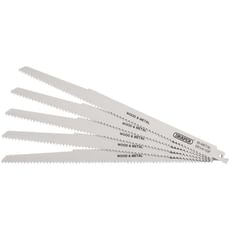
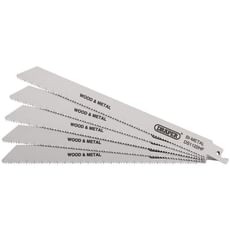
Multi-Material Blades: Versatile blade options designed to handle a variety of materials in a single application, reducing the need for frequent blade changes on diverse cutting tasks.
Safety and Compliance
When using Draper sabre and reciprocating saw blades, adherence to Health and Safety Executive (HSE) guidelines is essential. Always ensure blades are correctly fitted and fully secured before operation, and verify that the blade type is appropriate for the material being cut. Wear appropriate personal protective equipment including safety glasses or goggles, hearing protection, and heavy-duty work gloves when handling blades or operating reciprocating saws.
Inspect blades before each use for signs of damage, excessive wear, or missing teeth. Damaged blades should be discarded immediately as they pose safety risks and can damage workpieces. When cutting, maintain firm control of the saw and ensure the workpiece is properly secured. Be mindful of hidden hazards within walls or materials, including electrical cables, water pipes, and structural elements.
Always disconnect power tools from their electrical supply or remove batteries before changing blades. Allow blades to cool after use, as friction can generate significant heat during cutting operations. Store blades in their original packaging or a dedicated blade case to prevent damage and injury. Follow manufacturer guidelines regarding maximum operating speeds and material thickness capacities.
Frequently Asked Questions
Are Draper sabre blades compatible with all reciprocating saw brands?
Yes, Draper sabre and reciprocating saw blades feature the universal half-inch shank design, making them compatible with reciprocating saws from virtually all major manufacturers including Bosch, DeWalt, Makita, Milwaukee, and others. This standardised fitting ensures Tooled-Up customers can use Draper blades with confidence regardless of their saw brand.
What's the difference between bi-metal and high carbon steel blades?
High carbon steel blades are excellent for wood cutting applications, offering fast cutting speeds at an economical price point. Bi-metal blades combine a flexible spring steel body with high-speed steel teeth, providing superior durability when cutting metals and abrasive materials. Bi-metal construction resists breakage and maintains cutting edge sharpness significantly longer than standard carbon steel when used on harder materials.
How do I choose the correct TPI (teeth per inch) for my project?
Lower TPI counts (5-6 TPI) are ideal for fast, aggressive cuts in wood and softer materials where finish quality is less critical. Medium TPI ranges (8-12 TPI) suit general-purpose applications and provide a balance between cutting speed and finish. Higher TPI counts (14-24 TPI) are essential for cutting metals and achieving cleaner finishes, though cutting speed is reduced.
How long should a Draper reciprocating saw blade last?
Blade longevity depends on several factors including material being cut, saw speed settings, blade pressure applied, and blade type. When used appropriately, Draper bi-metal blades can complete hundreds of cuts in metal materials, whilst wood-cutting blades may last through numerous projects. Signs that replacement is needed include noticeably slower cutting speeds, excessive vibration, or visible tooth damage.
Can I use wood-cutting blades on metal or vice versa?
Whilst technically possible in emergency situations, using blades on materials they're not designed for significantly reduces performance and blade life. Wood-cutting blades have larger, more aggressive teeth that will quickly dull or break when used on metal. Conversely, metal-cutting blades will cut wood extremely slowly and may clog with wood fibres. For optimal results and value, always select the blade type matched to your cutting material.