

Draper Sanding Blocks
 Loading...
End of content
Error - No more pages to load
Draper Sanding Blocks at Tooled-Up.com
Draper Tools has established itself as one of the UK's most trusted names in hand tools and sanding accessories, with a heritage spanning over a century of British manufacturing excellence. The Draper sanding blocks range represents the company's commitment to delivering reliable, effective hand sanding solutions for professionals and DIY enthusiasts alike. These essential workshop tools provide the control and precision needed for achieving smooth, even finishes across a wide variety of materials and surfaces.
From traditional cork-backed blocks to innovative flexible rubber designs, Draper sanding blocks cater to every sanding requirement. Whether preparing surfaces for painting, smoothing woodwork between coats, or achieving fine finishing touches on furniture projects, these hand sanding tools deliver consistent results without the noise, dust, or complexity of powered alternatives. The Draper range combines time-tested ergonomic designs with modern materials to create sanding blocks that remain comfortable during extended use whilst delivering superior surface contact and control.
Tooled-Up.com stocks a comprehensive selection of Draper sanding blocks designed to meet the demands of both trade professionals and dedicated hobbyists. Each product in the range reflects Draper's understanding of practical workshop needs, offering durability, comfort, and value that has made the brand a staple in toolboxes across the UK for generations.
Why Choose Draper Sanding Blocks?
Draper's reputation for producing dependable hand tools at accessible price points makes their sanding blocks an intelligent choice for users at every skill level. The brand's extensive experience in tool manufacturing ensures that even their most basic sanding blocks incorporate thoughtful design features that enhance usability and longevity. Draper understands that effective hand sanding requires more than just a flat surface – it demands proper weight distribution, comfortable grip dimensions, and materials that maintain their integrity through repeated use.
Quality control remains paramount throughout Draper's manufacturing process, with rigorous testing ensuring that each sanding block meets the company's exacting standards for durability and performance. The backing materials used in Draper blocks are carefully selected to provide the right balance of flexibility and firmness for different applications, whilst handle designs promote natural hand positions that reduce fatigue during prolonged sanding sessions.
What truly distinguishes Draper sanding blocks is their exceptional value proposition. Professional tradespeople appreciate tools that deliver reliable performance without inflated pricing, and Draper consistently meets this requirement. The brand's widespread availability and strong warranty support provide additional peace of mind, making Draper sanding blocks a sensible investment for anyone serious about achieving quality surface preparation and finishing results.
Who Uses Draper Sanding Blocks?
- Carpenters and Joiners: Achieving smooth finishes on timber components and furniture pieces
- Painters and Decorators: Preparing walls, woodwork, and other surfaces between coats
- Cabinet Makers: Fine finishing work on bespoke furniture and fitted installations
- Automotive Body Repair Specialists: Smoothing filler and preparing panels for painting
- Boat Builders and Restorers: Sanding curved surfaces and preparing marine timbers
- Model Makers: Precision sanding of small components and detailed work
- DIY Enthusiasts: Home improvement projects requiring controlled hand sanding
- Furniture Restoration Professionals: Sympathetic finishing of antique and period pieces
- Maintenance Teams: General surface preparation and repair work across facilities
Key Features of Draper Sanding Blocks
Draper sanding blocks incorporate several distinctive features that enhance their practical performance. The ergonomic handle designs found throughout the range reflect decades of user feedback, with contoured grips that fit comfortably in the hand whilst providing secure control even when working overhead or at awkward angles. Cork and rubber backing materials are selected for their specific properties – cork offers firm, even pressure distribution ideal for flat surfaces, whilst flexible rubber variants conform to curved profiles and contoured workpieces.
The attachment systems used in Draper sanding blocks ensure that abrasive papers remain securely fixed throughout use, eliminating frustrating slippage that can ruin finishes and waste materials. Whether featuring traditional clamp mechanisms, spring-loaded clips, or grip-style holders, each design prioritises quick paper changes whilst maintaining reliable retention during vigorous sanding action.
Durability is built into every Draper sanding block through careful material selection and robust construction methods. The blocks resist warping, splitting, and degradation even when exposed to workshop dust, solvents, and the inevitable knocks of daily trade use. Comfortable hand positions are maintained through thoughtfully dimensioned profiles that suit various hand sizes, reducing the muscle strain and cramping that can occur with poorly designed alternatives.
Popular Draper Sanding Blocks
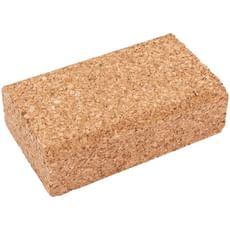
The classic Draper cork sanding block remains a workshop essential, providing firm, flat support for achieving perfectly level surfaces on timber, plasterboard, and previously painted woodwork. These traditional designs excel at flatting operations where consistent pressure across the entire abrasive surface is paramount. Browse the Draper selection at Tooled-Up to find cork blocks in various sizes suited to both large surface work and detailed finishing tasks.
Flexible rubber sanding blocks from Draper offer versatility for curved work, mouldings, and contoured surfaces where rigid blocks cannot maintain proper contact. These adaptable tools prove invaluable for automotive applications, furniture restoration, and any project involving non-flat profiles. The rubber construction provides cushioned grip comfort whilst the flexible backing conforms to surface irregularities.
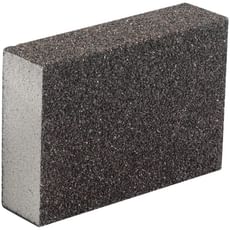
Draper also produces combination sanding blocks featuring dual-density construction, with firm centres for flat work and softer edges for blending and feathering operations. These versatile tools reduce the number of different blocks required on site, appealing to mobile tradespeople and compact workshop environments where space remains at a premium.
Safety and Compliance
Whilst hand sanding blocks are relatively simple tools, proper usage practices ensure safe, effective results. Always wear appropriate dust masks or respirators when sanding, particularly when working with MDF, old painted surfaces that may contain lead, or materials that generate fine, hazardous particles. The Health and Safety Executive (HSE) provides clear guidance on respiratory protection requirements for various materials and situations.
Maintain awareness of hand and wrist positioning during extended sanding sessions to prevent repetitive strain injuries. Take regular breaks and vary your working position to reduce fatigue. Ensure adequate ventilation in enclosed spaces, and consider using dust extraction or working outdoors when sanding generates significant airborne particles. Store Draper sanding blocks in dry conditions to prevent deterioration of backing materials and ensure longevity.
Frequently Asked Questions
What's the difference between cork and rubber sanding blocks?
Cork sanding blocks provide firm, rigid backing ideal for achieving perfectly flat surfaces and maintaining consistent pressure across the abrasive. Rubber blocks offer flexibility that allows them to conform to curved surfaces, mouldings, and contoured workpieces. Cork excels for flat panel work, whilst rubber suits shaped components and detail sanding.
How do I attach sandpaper to Draper sanding blocks?
Attachment methods vary by block design. Traditional cork blocks typically feature spring clips or clamps at each end that grip the sandpaper edges. Some Draper models use grip-style holders where the paper is simply pressed into slots. Always ensure paper is taut and secure before commencing work to prevent slippage and uneven sanding.
Can Draper sanding blocks be used wet?
Whilst cork-backed blocks should generally be kept dry to prevent deterioration, rubber sanding blocks can typically be used with wet-and-dry abrasive papers for wet sanding applications. This technique is common in automotive work and fine finishing where water lubricates the surface and reduces dust. Check specific product guidance before wet sanding with any Draper block.
What grit sandpaper should I use with my Draper sanding block?
Grit selection depends on your task rather than the block itself. Coarse grits (40-80) remove material quickly for shaping and heavy preparation. Medium grits (100-150) suit general smoothing and paint preparation. Fine grits (180-240) provide finishing smoothness, whilst very fine grits (320+) achieve ultra-smooth surfaces between finish coats. Always progress through successive grits rather than jumping from coarse to fine.
How long will a Draper sanding block last?
With proper care, Draper sanding blocks deliver years of reliable service. Cork backing may eventually compress with very heavy use but typically outlasts numerous sheets of abrasive paper. Rubber blocks resist degradation when stored away from direct sunlight and extreme temperatures. The robust construction throughout the Draper range ensures excellent longevity even in demanding professional environments.