

Draper Slotting & Grooving Bits
 Loading...
End of content
Error - No more pages to load
Draper Slotting & Grooving Bits at Tooled-Up.com
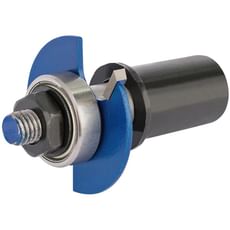
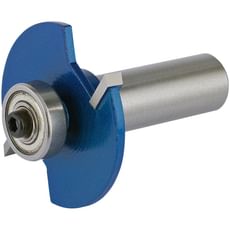
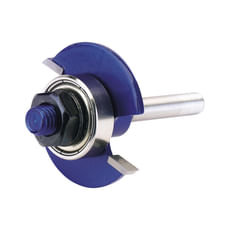
Draper has established itself as a trusted name in precision woodworking accessories, and their slotting and grooving bits exemplify the brand's commitment to quality and reliability. These essential router accessories are engineered to create clean, accurate slots and grooves in a variety of materials, making them indispensable for joinery work, cabinetmaking, and detailed woodworking projects. Whether you're cutting channels for drawer bottoms, creating decorative grooves, or producing precise slots for biscuit joints, Draper's range delivers consistent, professional results.
The Draper slotting and grooving bits available from Tooled-Up.com are manufactured to exacting standards, featuring high-grade materials and precision grinding for superior cutting performance. Each bit is designed with optimal cutting geometry to minimise vibration and reduce strain on your router, ensuring cleaner cuts and extended tool life. From standard straight cutters to specialist T-slot and keyhole bits, the Draper range covers the full spectrum of slotting and grooving applications encountered by both professional tradespeople and serious DIY enthusiasts.
Compatibility is a key consideration when selecting router bits, and Draper offers a comprehensive selection with various shank sizes to suit different router models. Whether you're working with softwoods, hardwoods, or composite materials like MDF, these precision-ground bits maintain their sharpness through extended use, delivering consistent performance across demanding workshop environments.
Why Choose Draper Slotting & Grooving Bits?
Draper's reputation for combining quality with value has made them a go-to choice for tradespeople across the UK for over a century. Their slotting and grooving bits benefit from decades of manufacturing expertise, with each tool undergoing rigorous quality control to ensure it meets the brand's exacting standards. The precision grinding process employed in manufacture creates razor-sharp cutting edges that produce clean, tear-free grooves, even in challenging grain patterns.
One of the standout features of Draper router bits is their exceptional balance and concentricity. Poor balance in a router bit can lead to vibration, premature wear, and inferior finish quality. Draper addresses this through careful manufacturing processes that ensure each bit runs true, reducing stress on router bearings whilst delivering smoother, more accurate cuts. This attention to detail translates directly to better results and longer tool life, making them a cost-effective choice for professionals who depend on reliable performance day after day.
The brand's commitment to innovation means that Draper continually refines their bit designs to incorporate improvements in cutting geometry and material technology. Many Draper slotting and grooving bits feature anti-kickback designs and optimised flute configurations that enhance chip clearance, reducing heat buildup and extending cutting life between sharpening sessions.
Who Uses Draper Slotting & Grooving Bits?
- Cabinet Makers and Joiners: Professionals requiring precision slots for panel construction and drawer assemblies
- Carpenters: Tradespeople creating housing joints and decorative grooves in architectural woodwork
- Shopfitters: Specialists needing reliable tools for display unit construction and retail installations
- Furniture Makers: Craftspeople producing bespoke pieces with intricate slot and groove details
- Maintenance Engineers: Professionals working on repairs and modifications across various sectors
- DIY Enthusiasts: Serious home woodworkers tackling ambitious projects requiring professional-grade tools
- Educational Institutions: Colleges and training centres teaching woodworking and joinery skills
Key Features of Draper Slotting & Grooving Bits
Draper slotting and grooving bits incorporate several design features that enhance their performance and durability. The cutting edges are manufactured from high-speed steel (HSS) or tungsten carbide-tipped (TCT) materials, depending on the specific bit type. TCT variants offer exceptional wear resistance and maintain their edge significantly longer than HSS alternatives, particularly when working with abrasive materials like chipboard or MDF.
The shank design is equally important, with precision-ground shanks ensuring secure, vibration-free mounting in router collets. This reduces the risk of bit slippage during operation and maintains concentricity for superior cut quality. Many Draper bits feature 8mm or 1/4-inch shanks for compatibility with standard routers, whilst larger profile bits utilise 12mm or 1/2-inch shanks for enhanced stability during heavy-duty applications.
Draper's slotting bits are designed with optimal gullet depths and flute angles to facilitate efficient chip evacuation. This prevents material buildup around the cutting edge, which can cause burning and premature dulling. The result is cleaner cuts with less post-processing required, saving valuable time on every project.
Popular Draper Slotting & Grooving Bits
The Draper range encompasses various specialist configurations to address specific woodworking requirements. Straight slotting bits are the workhorses of the collection, available in multiple widths for cutting standard grooves in panel construction and joinery work. These are essential for creating housing joints and channels for shelf supports.
T-slot cutters represent another popular category, perfect for creating the distinctive T-shaped channels used in jig-making and sliding mechanisms. These specialised bits allow craftspeople to produce tracks for adjustable fixtures and sliding components with professional accuracy.
Biscuit jointing slots require precise dimensions, and Draper offers bits specifically sized for this application, ensuring perfect fit for standard biscuit sizes. Keyhole bits are invaluable for picture hanging and cabinet mounting applications, creating the distinctive slot profile that allows secure, concealed wall mounting.
Safety and Compliance
Using router bits safely requires adherence to proper operating procedures and Health and Safety Executive (HSE) guidelines. Always ensure your router is disconnected from the power supply before changing bits, and verify that bits are securely tightened in the collet before operation. Eye protection is mandatory, as wood chips can be ejected at high velocity during routing operations.
Draper slotting and grooving bits should be inspected before each use for signs of damage, including chips, cracks, or excessive wear on cutting edges. Damaged bits must be replaced immediately, as they can shatter during operation, creating serious hazards. When working with routers powered by 240v mains electricity, ensure appropriate RCD protection is in place, particularly for site work or workshop environments where moisture may be present.
Feed direction is critical when using router bits. Always feed work against the direction of bit rotation to maintain control and prevent dangerous kickback. Use appropriate dust extraction to minimise airborne particles, complying with COSHH regulations regarding wood dust exposure. Never exceed the manufacturer's recommended maximum speed ratings for router bits, as excessive RPM can cause bits to fail catastrophically.
Frequently Asked Questions
What materials can I cut with Draper slotting and grooving bits?
Draper slotting and grooving bits are designed for use with softwoods, hardwoods, plywood, MDF, chipboard, and other composite wood materials. TCT-tipped variants offer superior performance in abrasive materials like MDF and chipboard, maintaining their cutting edge significantly longer than HSS alternatives. Always match your bit type to your material for optimal results and tool longevity.
How do I know which shank size I need for my router?
Check your router's collet size, which is typically stamped on the collet itself or listed in your router's manual. Common UK router collets accept 6mm, 8mm, or 12mm (or their imperial equivalents: 1/4-inch and 1/2-inch) shanks. Never force a bit into an incorrect collet size, and ensure you use the appropriate collet for each shank diameter. Many routers include multiple collets to accommodate different shank sizes.
How often should Draper router bits be sharpened?
Sharpening frequency depends on usage intensity and materials being cut. Signs that sharpening is needed include burning marks on workpieces, increased feed resistance, rough or torn edges, and excessive vibration during operation. TCT bits can often be professionally resharpened several times before replacement is necessary. Maintaining sharp bits not only improves cut quality but also reduces strain on your router motor and enhances workplace safety.
Can I use Draper slotting bits in a table-mounted router?
Yes, Draper slotting and grooving bits are suitable for both handheld and table-mounted router applications. Table mounting often provides enhanced control and consistency for slot cutting, particularly when working with smaller workpieces. Ensure your router table has adequate guarding and always use push sticks or blocks to keep hands safely away from the cutter. Table mounting is particularly advantageous for repetitive grooving operations where consistency is paramount.
What's the difference between HSS and TCT Draper router bits?
High-speed steel (HSS) bits are more economical and suitable for softwoods and occasional use. Tungsten carbide-tipped (TCT) bits feature brazed carbide cutting edges that stay sharp significantly longer, particularly in abrasive materials like MDF, chipboard, and laminates. Whilst TCT bits represent a higher initial investment, their extended lifespan makes them more cost-effective for professional use and frequent woodworking. TCT bits can also be professionally resharpened multiple times, further extending their service life.