

Draper Soldering Tips
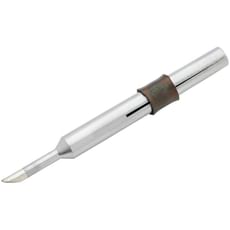
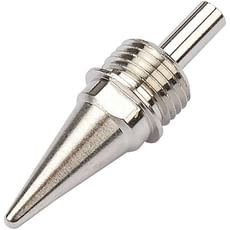
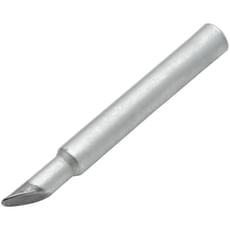
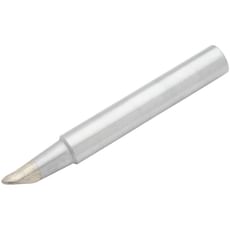
 Loading...
End of content
Error - No more pages to load
Draper Soldering Tips at Tooled-Up.com
Draper Tools has built a formidable reputation in the precision soldering market, and their range of soldering tips exemplifies the brand's commitment to quality and performance. Tooled-Up.com stocks a comprehensive selection of Draper soldering tips designed to meet the exacting demands of professional electronics engineers, electricians, and dedicated hobbyists alike. These replacement tips are engineered to deliver consistent heat transfer, precise tip geometry, and extended service life, making them an essential component for anyone serious about quality soldering work.
Draper's soldering tips are manufactured to exacting standards, utilising high-grade copper cores with iron plating and chromium overcoating to resist oxidation and provide superior thermal conductivity. Whether you're working on delicate circuit board repairs, automotive electronics, or intricate jewellery work, Draper offers tip profiles ranging from fine conical points for precision work to chisel tips for larger joints and wire connections. The Draper range available from Tooled-Up includes tips compatible with their popular soldering iron and soldering station models, ensuring seamless integration with your existing equipment.
Each Draper soldering tip is designed with the professional in mind, featuring secure fitting mechanisms that prevent tip wobble during operation and ensure optimal heat transfer from element to workpiece. The precision-machined construction means these tips maintain their geometry even after extended use at elevated temperatures, providing consistent performance throughout their service life.
Why Choose Draper Soldering Tips?
Draper's reputation for delivering professional-grade tools at accessible price points extends throughout their soldering tips range. Unlike cheaper alternatives that oxidise rapidly or lose their plating after minimal use, Draper tips are built to withstand the rigours of daily professional application. The brand's quality control processes ensure each tip meets stringent specifications for dimensional accuracy, plating thickness, and thermal performance.
One of the key advantages of choosing Draper soldering tips is their excellent heat retention characteristics. The copper core efficiently conducts heat from the element, whilst the protective iron and chromium layers prevent the corrosive effects of flux and high temperatures from degrading the tip surface. This results in tips that maintain their tinning ability far longer than economy alternatives, reducing downtime for cleaning and replacement whilst delivering more consistent soldering results.
Draper's commitment to standardisation means their tips are designed for easy replacement without the need for specialised tools or complicated procedures. This user-friendly approach, combined with competitive pricing, makes Draper soldering tips an economical choice for workshops that perform high-volume soldering work where tip replacement is a regular maintenance requirement.
Who Uses Draper Soldering Tips?
- Electronics Engineers: For prototype development, circuit board repair, and component-level diagnostics
- Electricians: Particularly those specialising in control panel assembly and low-voltage installations
- Automotive Technicians: For ECU repairs, sensor harness work, and dashboard electronics
- Jewellers and Silversmiths: Requiring precise heat control for delicate metalwork
- Model Makers and Hobbyists: Building RC vehicles, drones, and electronic projects
- Appliance Repair Technicians: Servicing white goods and consumer electronics
- IT and Computer Technicians: For laptop repairs, peripheral servicing, and cable manufacturing
- Educational Institutions: Design technology departments and electronics training programmes
- Maintenance Engineers: Supporting production equipment and industrial control systems
Key Features of Draper Soldering Tips
Draper soldering tips incorporate several distinctive features that enhance their performance and longevity. The copper core construction provides rapid heat-up times and excellent thermal recovery when making consecutive joints, essential for maintaining productivity during extended soldering sessions. The iron plating layer creates a durable interface that accepts and retains solder effectively, whilst the outer chromium coating resists oxidation even when tips are left at working temperature for prolonged periods.
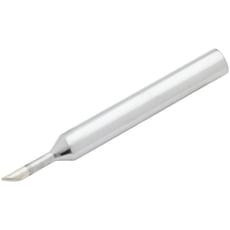
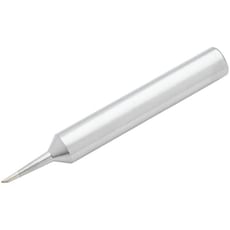
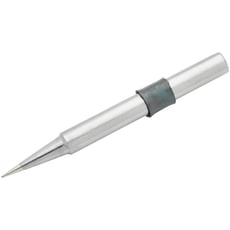
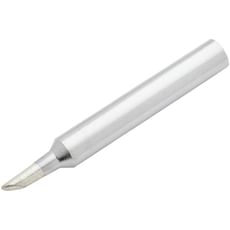
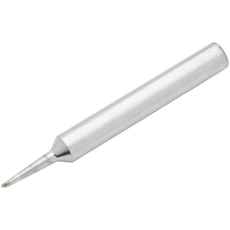
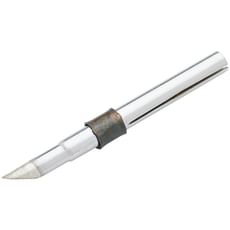
The precision-ground tip geometries available in the Draper range cater to diverse applications. Conical tips offer pinpoint accuracy for surface-mount components and fine wire work, whilst chisel profiles provide the thermal mass needed for larger through-hole components and cable terminations. Bevel tips combine aspects of both designs, offering versatility for mixed-task work environments.
Draper's attention to the fitting mechanism ensures reliable tip retention without excessive tightening force that could damage threads or heating elements. The tips are designed to sit securely within the heating element collar, maximising the contact area for efficient heat transfer whilst allowing quick changes when switching between tip profiles during varied work.
Popular Draper Soldering Tips
Within the Draper soldering tips range at Tooled-Up, certain profiles have established themselves as workshop staples. The 2.4mm chisel tip remains one of the most versatile options, providing sufficient thermal mass for general electronics work whilst maintaining reasonable precision for component-level soldering. This profile suits both leaded and lead-free solder formulations, making it ideal for workshops transitioning between different solder types.
Fine conical tips in the 0.5mm to 1.0mm range are favoured by those working with modern surface-mount technology and miniaturised electronics. These tips deliver heat precisely where needed without risking thermal damage to adjacent components, essential when working with temperature-sensitive semiconductors and compact PCB layouts.
For heavy-duty applications such as cable termination and chassis earthing, Draper's larger chisel and screwdriver profiles provide the thermal capacity to heat substantial copper conductors and lugs efficiently. These tips are particularly popular with auto-electricians and industrial maintenance teams who regularly work with higher-gauge wiring.
Safety and Compliance
When using Draper soldering tips, adherence to proper safety protocols is essential. Always ensure soldering irons are connected to 240V supplies via appropriate residual current devices (RCDs) to protect against electrical faults. Work in well-ventilated areas to disperse flux fumes, which can contain irritants requiring COSHH assessment in professional environments. The HSE recommends fume extraction systems for regular soldering work to protect respiratory health.
Draper soldering tips reach temperatures between 300°C and 450°C during normal operation, presenting burn hazards. Always use heat-resistant soldering iron stands and ensure tips have fully cooled before handling or replacement. Wear appropriate eye protection when soldering, as flux can splatter, and molten solder may produce sparks when applied to oxidised surfaces.
Regular inspection of tip condition helps maintain both safety and soldering quality. Replace tips that show excessive pitting, loss of plating, or dimensional changes that affect their secure seating within the heating element. Properly maintained tips transfer heat efficiently, reducing the need for excessive temperatures that accelerate component thermal degradation.
Frequently Asked Questions
How long do Draper soldering tips typically last?
Tip longevity depends on usage intensity, operating temperature, and maintenance practices. With proper care—including regular tinning, appropriate temperature settings, and avoiding abrasive cleaning methods—Draper soldering tips typically provide months of professional use. Working at the lowest effective temperature and cleaning with damp sponges rather than abrasive methods significantly extends tip life.
Are Draper soldering tips compatible with other brands of soldering irons?
Draper soldering tips are primarily designed for Draper soldering irons and stations, with specific fitting dimensions and thread patterns. Whilst some dimensional overlap may exist with other manufacturers, compatibility cannot be guaranteed. For optimal performance and safety, use Draper tips exclusively with Draper soldering equipment.
What's the best way to maintain Draper soldering tips?
Maintain a thin coating of solder on the tip at all times to prevent oxidation. Clean regularly using a damp cellulose sponge or brass wire tip cleaner—avoid abrasive files or sandpaper that remove protective plating. Work at the lowest temperature that achieves reliable joints, as excessive heat accelerates tip degradation. When finishing work, tin the tip generously before switching off to protect the surface during cooling.
Can Draper soldering tips be used with lead-free solder?
Yes, Draper soldering tips are suitable for both traditional leaded and modern lead-free solder formulations. However, lead-free solders typically require higher working temperatures (around 370°C versus 320°C for leaded), which may reduce tip lifespan slightly. Ensure your soldering iron provides adequate temperature control for lead-free work, and consider using activated flux to improve wetting characteristics.
Which Draper tip profile should I choose for general electronics work?
For versatile general-purpose electronics work, a 2.4mm chisel tip provides an excellent balance of precision and thermal capacity. This profile handles most through-hole components, connector pins, and moderate-sized surface-mount devices effectively. Those working predominantly with fine-pitch SMD components may prefer a 1.0mm conical tip, whilst heavier work benefits from 3.2mm or larger chisel profiles.