

Draper Taps & Dies

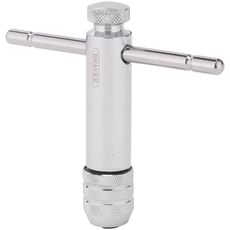





 Loading...
End of content
Error - No more pages to load
Draper Taps & Dies at Tooled-Up.com
Draper Tools has been a cornerstone of British engineering and craftsmanship since 1919, and their taps and dies continue to uphold this proud tradition of quality and reliability. The Draper taps and dies range available from Tooled-Up.com represents exceptional value for money whilst maintaining the high standards that professional tradespeople and serious DIY enthusiasts demand. From individual taps and dies through to comprehensive sets covering metric, imperial, and specialist thread sizes, Draper provides threading solutions for virtually every workshop application.
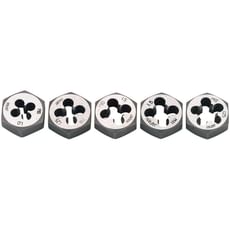
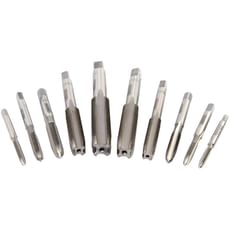
Whether you're a professional mechanic restoring threads in engine components, a maintenance engineer repairing damaged fasteners, or a home workshop enthusiast tackling general repairs, Draper taps and dies deliver consistent, accurate results. The range includes hand taps in taper, second, and plug configurations, allowing proper thread cutting progression for optimal results. Draper's die sets feature adjustable split dies and circular solid dies, manufactured from high-grade carbon steel or high-speed steel (HSS) depending on the application requirements.
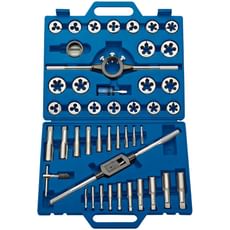
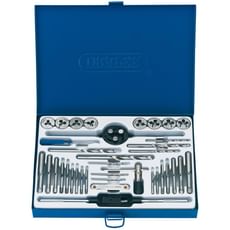
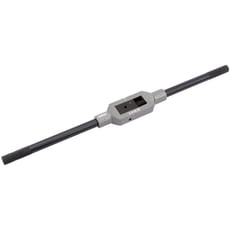
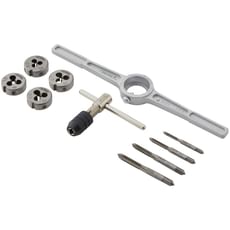
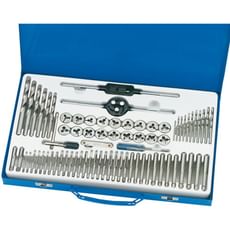
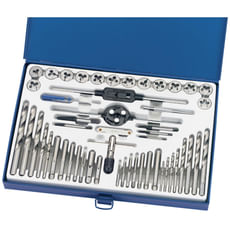
Tooled-Up stocks Draper tap and die sets in convenient storage cases, making them ideal for mobile mechanics and site work where portability matters. These sets typically include essential accessories such as tap wrenches, die stocks, thread gauges, and screw extractors, providing everything needed for professional thread cutting and repair work in one comprehensive package.
Why Choose Draper Taps & Dies?
Draper's reputation for producing reliable, hard-wearing tools at accessible price points makes their taps and dies an intelligent choice for both professional workshops and home mechanics. Unlike budget imports that can chip or produce inaccurate threads, Draper products undergo rigorous quality control and are manufactured to precise tolerances that ensure clean, accurate thread cutting every time. The brand's century-long heritage means they understand exactly what British tradespeople need from their threading tools.
The heat treatment processes used on Draper taps and dies create tools with excellent wear resistance and edge retention, meaning they'll cut dozens or even hundreds of threads before requiring replacement. Draper's carbon steel taps and dies are perfectly suited to general workshop use on mild steel, aluminium, and brass, whilst their HSS variants handle harder materials and production environments where tool life is critical. The clear marking on each tap and die makes size identification quick and straightforward, reducing time wasted searching through sets.
Value represents another compelling reason to choose Draper taps and dies. Whilst premium German or Swiss brands certainly have their place in specialist applications, Draper offers performance that satisfies the vast majority of threading tasks at a fraction of the cost. This makes them particularly attractive for smaller workshops, apprentices building their first tool kit, or DIY enthusiasts who need quality tools without professional-tier pricing.
Who Uses Draper Taps & Dies?
- Motor mechanics and automotive technicians restoring damaged threads in engine blocks, gearboxes, and chassis components
- Plant maintenance engineers repairing industrial machinery and manufacturing equipment
- Agricultural engineers maintaining farm machinery and fabricating repair parts
- Plumbers and heating engineers cutting threads on pipework and fixing damaged fittings
- Fabricators and welders creating threaded connections in custom metalwork projects
- Model engineers and hobbyists working on precision projects requiring accurate thread cutting
- General maintenance technicians across manufacturing, facilities management, and building services
- DIY enthusiasts and home workshop owners tackling vehicle repairs and restoration projects
- Bicycle mechanics repairing threads in frames, components, and accessories
Key Features of Draper Taps & Dies
Draper taps and dies incorporate several design features that enhance their performance and usability. The cutting edges are precision-ground to create sharp, clean-cutting flutes that efficiently remove swarf whilst cutting, reducing the effort required and producing superior thread quality. Chamfered lead-ins on taps guide them accurately into pilot holes, preventing cross-threading and damaged work pieces.
The range includes both carbon steel and high-speed steel options, with the latter offering significantly enhanced performance when cutting harder materials or when working in production environments requiring extended tool life. Draper's split adjustable dies allow fine-tuning of thread fit, enabling users to create slightly tighter or looser threads depending on application requirements—particularly valuable when dealing with worn or oversized holes.
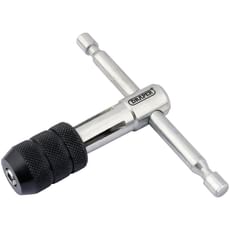
Organised storage cases feature clearly labelled compartments that keep taps and dies protected from damage and make size selection straightforward. Many Draper tap and die sets include useful accessories such as T-handle tap wrenches with square drive sockets that provide excellent leverage and control, die stocks with adjustable guide screws for accurate alignment, and thread pitch gauges for identifying existing threads before commencing repair work.
Popular Draper Taps & Dies
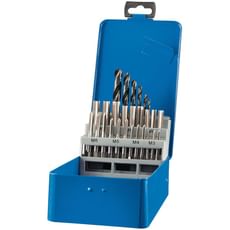
The Draper metric tap and die sets represent the most frequently chosen option, covering common sizes from M3 through M12 or M16 depending on the set specification. These comprehensive sets handle the vast majority of fastener sizes encountered in automotive work, machinery maintenance, and general fabrication. The inclusion of taper, second, and plug taps for each size ensures proper thread cutting technique can be followed.
Draper's imperial tap and die sets remain popular amongst classic vehicle enthusiasts, restorers working on older British machinery, and those maintaining equipment manufactured to imperial specifications. These sets typically cover sizes from 1/4" through 1/2", with BA (British Association) thread sets also available for specialist applications such as electrical equipment and model engineering.
Individual taps and dies from Draper allow tradespeople to replace worn sizes or expand existing sets with less common thread specifications. Specialist items such as pipe taps for BSP threads, spark plug thread repair taps, and left-hand thread taps for specialised applications complement the standard range available at Tooled-Up.
Safety and Compliance
When using Draper taps and dies, proper safety practices ensure both personal protection and optimal results. Always secure work pieces firmly in a vice or clamp before commencing thread cutting—hand-held work can slip and cause injury. Wear safety glasses to protect eyes from metal swarf, which can be sharp and may fly off during cutting operations. Use appropriate cutting fluid or lubricant when tapping or threading—this reduces friction, prevents overheating, and significantly extends tool life whilst improving thread quality.
Apply steady, controlled pressure when cutting threads, backing off regularly (approximately every half turn) to break chips and clear swarf from the cutting edges. Forcing taps or dies can result in breakage, with broken taps being particularly difficult to remove from work pieces. Ensure pilot holes are drilled to the correct diameter using proper tap drill sizes—holes that are too small will cause excessive load and potential breakage, whilst oversized holes result in weak, incomplete threads.
Store Draper taps and dies in their original cases when not in use, keeping them clean and dry to prevent rust formation that can affect cutting performance. Inspect cutting edges periodically for wear or damage, replacing tools that show signs of dulling or chipping to maintain thread quality and prevent work piece damage.
Frequently Asked Questions
What's the difference between carbon steel and HSS Draper taps and dies?
Carbon steel taps and dies from Draper are suitable for general workshop use on softer materials such as mild steel, aluminium, brass, and plastics. They offer excellent value for occasional use and general repairs. HSS (High-Speed Steel) variants provide superior hardness and heat resistance, making them better suited to harder materials, production environments, or situations where extended tool life justifies the higher initial cost.
Do I need taper, second, and plug taps, or will one type suffice?
For through holes (holes that go completely through the material), a taper tap alone often suffices. However, for blind holes (dead-end holes) or when cutting threads in harder materials, using the proper sequence—taper tap first to start the thread, second tap to cut most of the thread depth, and plug tap to cut to full depth at the bottom of blind holes—produces superior results and reduces the risk of tap breakage.
How do I know which tap drill size to use with Draper taps?
Most Draper tap and die sets include reference charts showing the correct tap drill sizes for each thread size. As a general rule, the tap drill should remove approximately 75% of the thread depth, leaving material for the tap to cut whilst ensuring adequate thread strength. Online tap drill charts and mobile apps provide comprehensive listings for both metric and imperial threads.
Can Draper taps and dies be resharpened when they become dull?
Whilst technically possible, resharpening taps and dies requires specialist grinding equipment and expertise to maintain the correct angles and clearances. Given Draper's competitive pricing, most users find replacement more economical than resharpening. However, keeping taps and dies clean, using appropriate cutting fluid, and storing them properly will maximise their working life before replacement becomes necessary.
Are Draper tap and die sets suitable for stainless steel?
Draper's HSS taps and dies can handle austenitic stainless steel (grades 304 and 316) with appropriate technique and generous use of cutting fluid designed for stainless steel. However, this material is notably more difficult to thread than mild steel, requiring slower speeds, frequent backing-off to clear chips, and patience. For extensive stainless steel threading work, consider specialist taps designed specifically for this challenging material.