

Draper Tenon Saws
 Loading...
End of content
Error - No more pages to load
Draper Tenon Saws at Tooled-Up.com
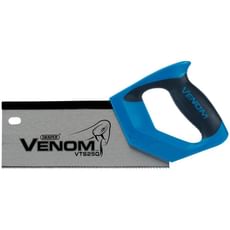
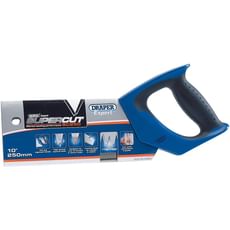
Draper Tools has built a formidable reputation over more than a century of manufacturing excellence, and their tenon saws exemplify the precision and reliability that professional tradespeople and serious woodworkers have come to expect. Combining traditional craftsmanship with modern manufacturing techniques, Draper tenon saws deliver the accuracy essential for creating tight-fitting joinery work, from classic mortise and tenon joints to delicate dovetails and precise trim work.
The Draper range available at Tooled-Up.com reflects the brand's commitment to offering quality hand tools at accessible price points without compromising on performance. Whether you're a joiner working on bespoke furniture, a carpenter tackling site installations, or a dedicated DIY enthusiast building your workshop skills, Draper tenon saws provide the control and cutting precision needed for clean, accurate results. These saws feature carefully hardened and tempered steel blades with fine tooth configurations designed specifically for cross-grain cutting in hardwoods and softwoods alike.
Each Draper tenon saw is engineered with the user in mind, featuring comfortable grip handles that reduce fatigue during extended use and rigid blade backs that prevent flexing during the cut. This attention to ergonomics and functionality has made Draper a trusted name in workshops throughout the UK, from professional joinery shops to home garages where quality matters.
Why Choose Draper Tenon Saws?
Draper Tools represents exceptional value in the hand tool market, delivering professional-grade performance at competitive prices. The brand's tenon saws are manufactured to exacting standards, with precision-ground teeth that maintain their sharpness through demanding use. The hardened steel construction ensures longevity, whilst the brass or steel back provides the rigidity essential for maintaining a straight cutting line through the workpiece.
Quality control is paramount in Draper's manufacturing process, with each saw undergoing rigorous testing before leaving the factory. This commitment to consistency means tradespeople can rely on Draper tenon saws to perform day after day, project after project. The brand's reputation for dependability has been earned through decades of service to the UK trade community, making Draper a familiar sight in toolboxes across the country.
Beyond the tools themselves, Draper offers comprehensive after-sales support and honours warranties that reflect their confidence in product durability. This combination of affordability, performance, and reliability explains why experienced joiners and carpenters continue to choose Draper when they need dependable hand tools that won't let them down on the job.
Who Uses Draper Tenon Saws?
- Joiners and cabinet makers creating precise furniture joints and bespoke woodwork
- Carpenters working on site installations, trim work, and structural joinery
- Furniture restorers requiring accuracy when repairing or recreating period pieces
- Shopfitters cutting precise joints for retail and commercial installations
- Building contractors who need reliable hand tools for detailed carpentry work
- Property maintenance professionals handling repair and renovation projects
- Woodworking instructors teaching traditional joinery techniques in colleges and workshops
- DIY enthusiasts developing their woodworking skills and building quality projects
- Set builders in theatre and television production requiring accurate joint cutting
Key Features of Draper Tenon Saws
Draper tenon saws incorporate several design features that enhance cutting accuracy and user comfort. The precision-ground teeth are set to optimal angles for efficient cutting through timber fibres, creating clean kerfs with minimal tearout. This attention to tooth geometry ensures that cuts remain straight and true, essential when fitting joints that must close without gaps.
The rigid back reinforcement—typically manufactured from brass or steel—prevents blade flex during sawing, maintaining the cutting line even when working through dense hardwoods. This rigidity is crucial for tenon work where accuracy of even a millimetre can mean the difference between a tight joint and one requiring remedial work. Handle designs prioritise user comfort, with ergonomic shapes that provide secure grip whilst allowing the natural wrist movement essential for controlled cutting.
Blade lengths in the Draper range are carefully selected to suit different applications, with common sizes including 250mm and 300mm options. The teeth-per-inch (TPI) configurations are optimised for fine crosscutting, typically ranging from 13 to 15 TPI, striking the ideal balance between cutting speed and surface finish quality. Draper's heat treatment processes ensure blade steel maintains hardness at the cutting edge whilst retaining flexibility that resists breakage under stress.
Popular Draper Tenon Saws
Tooled-Up stocks Draper's most sought-after tenon saw configurations, catering to different woodworking requirements and user preferences. The standard pattern tenon saws feature traditional designs with hardwood handles and brass-backed blades, appealing to those who appreciate classic tool aesthetics alongside proven functionality.
Draper's professional-grade tenon saws incorporate premium materials and manufacturing refinements that appeal to demanding tradespeople. These models typically feature finer tooth configurations and heavier back weights for enhanced cutting stability. For users seeking maximum value, Draper's economy range provides reliable performance at entry-level prices, making quality tenon saws accessible to apprentices and hobbyists building their tool collections.
Many woodworkers choose to own multiple Draper tenon saws in different sizes, allowing them to select the optimal tool for each task. Smaller saws excel at delicate work and confined spaces, whilst larger models make light work of cutting broader stock when preparing larger joints or working with substantial timber sections.
Safety and Compliance
Whilst tenon saws are hand-powered tools without the electrical safety considerations of power equipment, proper usage techniques remain essential for preventing injury. The sharp teeth can cause serious cuts if the saw slips or is handled carelessly. Always secure workpieces properly using vices or clamps before cutting, ensuring both hands can maintain controlled positions throughout the sawing motion.
Draper recommends keeping tenon saws properly maintained with sharp teeth and clean blades. Dull saws require excessive force that increases the risk of slipping and losing control. When not in use, store tenon saws with blade guards or in dedicated tool rolls to protect both the teeth and anyone reaching into toolboxes. The HSE advises that even simple hand tools require respect and proper technique to ensure safe operation in professional and domestic workshops alike.
Regular inspection of handles ensures fixings remain tight and wood shows no signs of splitting that could cause failure during use. Replacing damaged handles promptly prevents accidents caused by tool failure. Always cut away from your body and keep your free hand clear of the cutting line, maintaining awareness of the blade's path throughout each stroke.
Frequently Asked Questions
What makes Draper tenon saws suitable for professional use?
Draper tenon saws combine quality materials, precision manufacturing, and rigorous quality control to deliver professional-grade performance at competitive prices. The hardened steel blades maintain sharpness through demanding use, whilst rigid backs ensure cutting accuracy essential for tight-fitting joinery. Many professional joiners and carpenters rely on Draper tools daily, testament to their durability and dependability in trade environments.
How do I maintain my Draper tenon saw?
Keep the blade clean and lightly oiled to prevent rust, wiping away sawdust and resin after each use. Store the saw in a dry location, ideally with a blade guard to protect the teeth. When sharpness diminishes, have the saw professionally sharpened by a saw doctor who can restore the correct tooth geometry and set. Check handle fixings periodically, tightening any loose screws to maintain safe operation.
What tooth count should I choose for a Draper tenon saw?
For general joinery work in both hardwoods and softwoods, a 13-15 TPI (teeth per inch) configuration provides an excellent balance between cutting speed and finish quality. Higher TPI counts around 15-17 suit fine work in hardwoods where surface finish is critical, whilst lower counts around 11-13 TPI cut faster through softwoods. Most woodworkers find a 13 TPI Draper tenon saw versatile enough for the majority of workshop tasks.
Can Draper tenon saws cut hardwoods like oak and maple?
Yes, Draper tenon saws are fully capable of cutting dense hardwoods when properly maintained. The hardened steel blades retain their edge through demanding materials, whilst the rigid back prevents flexing that could cause the blade to wander. Take steady, controlled strokes without forcing the saw, allowing the sharp teeth to do the work. Harder timbers may require more strokes than softwoods, but a sharp Draper tenon saw will produce clean, accurate cuts in any wood species.
Are Draper tenon saws suitable for beginners learning woodworking?
Absolutely. Draper tenon saws offer excellent value for those developing their hand tool skills, providing quality performance without the investment required for premium brands. The forgiving nature of well-made tenon saws helps beginners learn proper sawing technique, with the rigid back guiding cuts whilst users develop muscle memory and control. Many woodworking instructors recommend Draper tools for students precisely because they combine affordability with the quality necessary for successful learning outcomes.