

Draper Tinsnips
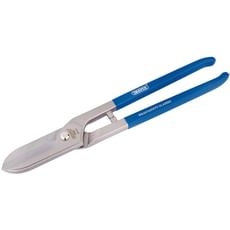
 Loading...
End of content
Error - No more pages to load
Draper Tinsnips at Tooled-Up.com
Draper Tools has been a cornerstone of British manufacturing excellence for nearly a century, and their tinsnips exemplify the precision engineering and durability that tradespeople across the UK have come to expect. Tooled-Up.com stocks a comprehensive range of Draper tinsnips, designed to deliver clean, accurate cuts through sheet metal, aluminium, and other thin materials. Whether you're working with guttering, ducting, flashing, or general sheet metalwork, Draper's tinsnips offer the reliability and performance that professionals demand on every job.
The Draper tinsnips collection encompasses everything from straight-cutting patterns to left and right curved aviation snips, each engineered with hardened cutting edges and comfortable grip handles for extended use. Draper's commitment to quality control ensures that every pair of tinsnips meets rigorous British and European standards, providing consistent performance whether you're on a construction site, in a workshop, or tackling a home improvement project. The brand's reputation for producing tools that withstand the demands of daily professional use makes them a trusted choice for metalworkers, roofers, plumbers, and HVAC engineers throughout the country.
Available from Tooled-Up.com, Draper tinsnips combine traditional manufacturing craftsmanship with modern material technology to deliver cutting tools that maintain their edge and mechanical integrity through thousands of cuts. The ergonomic design philosophy that runs through the Draper range ensures reduced hand fatigue during repetitive cutting tasks, making them equally suitable for precision work and high-volume applications.
Why Choose Draper Tinsnips?
Draper's heritage in tool manufacturing spans generations, with the brand earning its reputation through consistent quality and practical innovation. Their tinsnips are manufactured using high-carbon steel blades that are precision-ground and heat-treated to maintain sharpness even when cutting through tough materials. The attention to detail extends to the blade alignment and pivot mechanism, ensuring smooth cutting action that doesn't require excessive hand pressure.
One of the distinguishing features of Draper tinsnips is their exceptional value proposition. Whilst maintaining professional-grade quality, Draper positions their products at accessible price points that appeal to both established tradespeople and those just starting their careers. This combination of affordability and durability means that investing in Draper tinsnips doesn't break the budget, yet the tools will reliably serve you for years of regular use.
The brand's commitment to continuous improvement means that Draper incorporates user feedback into their product development, resulting in tinsnips with enhanced safety features, improved grip materials, and cutting geometries optimised for specific materials and applications. This responsive approach to design keeps Draper products relevant and competitive in an ever-evolving marketplace.
Who Uses Draper Tinsnips?
Draper tinsnips are the tool of choice for a diverse range of professionals and enthusiasts, including:
- Roofers and cladding specialists cutting flashing, valley gutters, and metal roofing materials
- Sheet metal workers fabricating ductwork, enclosures, and custom metalwork
- Plumbers and heating engineers trimming copper, aluminium, and thin-gauge steel
- HVAC technicians working with ventilation ducting and metal components
- Automotive restoration specialists shaping body panels and trim pieces
- Electricians cutting cable tray, trunking, and metal back boxes
- Builders and general contractors requiring reliable cutting tools for various metalwork tasks
- DIY enthusiasts tackling home improvement and craft projects involving sheet metal
- Maintenance teams in industrial and commercial facilities
Key Features of Draper Tinsnips
Draper tinsnips incorporate several distinctive features that enhance their performance and longevity. The cutting blades are manufactured from drop-forged high-carbon steel, providing the hardness necessary to cut cleanly through various gauges of metal without dulling prematurely. Precision grinding ensures the blade edges meet at the optimal angle for efficient cutting whilst minimising material distortion.
The handle design reflects decades of ergonomic research, with cushioned grips that distribute pressure evenly across the hand and reduce the risk of blisters during extended use. Many Draper models feature colour-coded handles that instantly identify the cutting pattern—yellow for straight cuts, green for right curves, and red for left curves—a system that speeds up tool selection on busy job sites.
Safety features include spring-loaded handles that automatically open after each cut, reducing repetitive strain, and locking mechanisms that secure the blades closed during transport and storage. The robust pivot mechanism is engineered to maintain precise blade alignment throughout the tool's working life, preventing the blade misalignment that can compromise cut quality and safety.
Popular Draper Tinsnips
The Tooled-Up Draper range includes several popular configurations to suit different cutting requirements. Straight-cutting tinsnips are the workhorse of the collection, ideal for making long, straight cuts through sheet metal up to 1.2mm thick. These are essential for cutting straight edges on guttering, flashing, and ductwork.
Aviation snips represent the premium segment of Draper's tinsnips offering, featuring compound-leverage mechanisms that multiply cutting force, allowing users to cut through thicker materials with less effort. Available in left-cutting, right-cutting, and straight patterns, aviation snips are indispensable for detailed work where following curved lines or cutting tight radii is required.
Universal tinsnips with serrated blades provide additional grip on slippery materials like aluminium and coated metals, preventing the workpiece from sliding during cutting. Offset handle designs in the Draper range keep hands clear of the work surface, providing better visibility and reducing the risk of hand injuries when cutting flat sheets.
Safety and Compliance
Draper manufactures their tinsnips in accordance with relevant British and European standards, ensuring that products meet stringent safety and performance requirements. Users should always wear appropriate personal protective equipment when cutting metal, including safety glasses to protect against flying fragments, and cut-resistant gloves to prevent hand injuries from sharp edges.
Proper maintenance is essential for safe operation. Regular cleaning to remove metal particles and occasional lubrication of the pivot point maintains smooth operation and prevents premature wear. Blades should be inspected before use for damage or excessive wear, and any tinsnips with misaligned or damaged blades should be replaced rather than used in compromised condition.
In accordance with HSE guidelines for hand tool use, operators should ensure they maintain proper posture and take regular breaks during repetitive cutting tasks to prevent musculoskeletal strain. The workpiece should be properly supported and secured before cutting, and cuts should be made away from the body to minimise injury risk in case of slippage.
Frequently Asked Questions
What thickness of metal can Draper tinsnips cut?
Standard Draper tinsnips typically cut mild steel up to 1.2mm thick, stainless steel up to 0.7mm, and aluminium up to 1.5mm. Aviation snips with compound leverage can handle slightly thicker materials. Always check the specific model's specifications for exact cutting capacities.
What's the difference between straight and aviation tinsnips?
Straight tinsnips have a simple pivot mechanism suitable for general-purpose cutting, whilst aviation snips feature compound leverage that multiplies cutting force, making them more effective for thicker materials and curved cuts. Aviation snips also typically have offset handles for improved clearance.
How do I maintain my Draper tinsnips?
Clean the blades after each use to remove metal particles and corrosive residues. Apply a light machine oil to the pivot point periodically to ensure smooth operation. Store in a dry location with the safety lock engaged. Never use tinsnips as prying tools or to cut materials harder than their rated capacity.
Can I sharpen Draper tinsnips when they become dull?
Whilst it's technically possible to sharpen tinsnip blades, it requires maintaining the precise bevel angle and blade alignment. Most professionals find it more cost-effective to replace worn tinsnips rather than attempting to restore them, as improper sharpening can compromise cutting performance and safety.
Are left and right aviation snips really necessary, or can I use one type for all curves?
Left and right-cutting aviation snips are specifically designed for their respective cutting directions, with the blade geometry and handle offset optimised for visibility and control. Using the correct orientation significantly improves cutting accuracy and reduces hand fatigue, making both types worthwhile investments for professionals who regularly cut curved patterns.