

Draper Wood Rasps


 Loading...
End of content
Error - No more pages to load
Draper Wood Rasps at Tooled-Up.com
Draper Tools has earned its reputation as one of Britain's most trusted tool manufacturers, and their wood rasps exemplify the brand's commitment to quality craftsmanship and practical design. Whether you're a professional joiner shaping intricate timber profiles or a dedicated DIY enthusiast restoring antique furniture, Draper wood rasps deliver the precision and reliability demanded by discerning woodworkers across the UK.
The Draper range of wood rasps combines traditional hand tool design with modern manufacturing excellence, resulting in tools that excel at rapid stock removal whilst maintaining exceptional control. Each rasp features carefully engineered cutting teeth that bite cleanly into softwoods and hardwoods alike, making them indispensable for shaping, smoothing, and refining timber surfaces where powered tools would be too aggressive or impractical.
Available from Tooled-Up.com, Draper wood rasps cater to a wide spectrum of woodworking applications, from cabinet making and joinery to carving and general timber preparation. These hand tools represent excellent value without compromising on the performance characteristics that professional tradespeople rely upon daily.
Why Choose Draper Wood Rasps?
Draper's reputation for producing dependable, well-engineered hand tools spans decades, and their wood rasps maintain this proud tradition. The brand focuses on creating tools that balance affordability with genuine professional-grade performance – a combination that has made Draper a staple in toolboxes across British building sites, workshops, and garages.
One of the key advantages of choosing Draper wood rasps is their consistent quality control. Each rasp undergoes rigorous manufacturing standards to ensure the cutting teeth are uniform, properly hardened, and correctly pitched for efficient material removal. This attention to detail translates directly into tools that work predictably and last considerably longer than budget alternatives, reducing replacement costs and frustration on the job.
The ergonomic design of Draper wood rasps also sets them apart. Comfortable handles reduce hand fatigue during extended use, whilst the balanced weight distribution allows for precise control when working on delicate pieces. For tradespeople who rely on their tools day in and day out, these seemingly small details make a significant difference to both productivity and comfort.
Who Uses Draper Wood Rasps?
Draper wood rasps are trusted by a diverse range of users across numerous trades and applications:
- Joiners and carpenters who need reliable hand tools for fitting door frames, window casements, and custom timber installations
- Furniture makers and restorers working on both new pieces and antique restoration projects requiring delicate shaping
- Boat builders shaping wooden components and finishing curved timber sections
- Luthiers and instrument makers who demand precision when shaping necks, bodies, and other wooden components
- Pattern makers creating wooden moulds and templates for casting applications
- Wood carvers and sculptors removing bulk material before finer finishing work
- DIY enthusiasts tackling home improvement projects, shed building, and woodworking hobbies
- Set designers and theatrical carpenters crafting props and scenery elements
- General builders requiring versatile hand tools for site work involving timber preparation
Key Features of Draper Wood Rasps
Draper wood rasps incorporate several design features that enhance their performance and durability. The cutting surfaces utilise individually formed teeth rather than simply punched patterns, resulting in sharper, more aggressive cutting action that clears waste material efficiently without clogging. This design is particularly effective when working with resinous softwoods or damp timber where lesser rasps would quickly become fouled.
The tang-and-handle construction employed by Draper ensures secure attachment between the rasp blade and handle, eliminating the wobble and looseness that can compromise accuracy and safety. Handles are typically manufactured from hardwood or impact-resistant composite materials, providing excellent grip even when working in dusty conditions or with slightly damp hands.
Draper pays careful attention to the hardening process used on their rasp teeth, achieving the optimal balance between hardness for edge retention and toughness to resist chipping or breaking. This heat treatment extends the working life of the tool significantly, meaning the rasp maintains its cutting efficiency through countless projects before requiring replacement.
Popular Draper Wood Rasps
The Draper wood rasp collection typically includes several essential profiles to suit different woodworking requirements. Half-round rasps are perhaps the most versatile, featuring a flat face for general planing work and a curved face for shaping concave surfaces and enlarging holes. These dual-purpose tools are invaluable for joiners working on varied projects throughout the day.
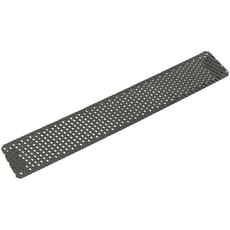
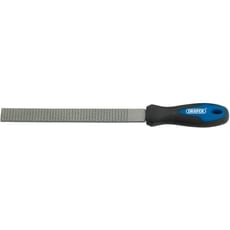
Flat wood rasps from Draper excel at smoothing large, flat surfaces and are particularly useful for levelling joints, removing planer marks, or preparing timber for final finishing. The uniform cutting surface allows for even material removal across the workpiece width, reducing the risk of creating unwanted hollows or bumps.
Round rasps, sometimes called rat-tail rasps, are specifically designed for enlarging holes, smoothing curved internal surfaces, and reaching into tight spaces where other tools cannot access. Cabinet makers and furniture restorers find these indispensable for detailed work on period pieces with intricate profiles.
Safety and Compliance
Whilst wood rasps may seem straightforward tools, proper usage is essential for both safety and optimal results. Always ensure the handle is securely fitted to the tang before use – a loose handle can cause the rasp to slip unexpectedly, potentially causing injury or damaging the workpiece. When working with Draper wood rasps, maintain a firm grip and work with controlled, deliberate strokes rather than excessive force, which can cause the tool to slip or catch.
Wear appropriate personal protective equipment when rasping timber, particularly safety glasses to protect against flying wood particles and, if working with certain hardwoods or treated timber, a suitable dust mask to prevent inhalation of fine particles. The Health and Safety Executive (HSE) provides comprehensive guidance on woodworking dust control, which should be followed in professional workshops.
Store Draper wood rasps properly when not in use, ideally hanging them or keeping them in a tool roll to prevent the teeth becoming damaged through contact with other metal tools. Regular cleaning with a wire brush removes accumulated wood fibres and resin, maintaining cutting efficiency and prolonging tool life.
Frequently Asked Questions
What's the difference between a wood rasp and a wood file?
Draper wood rasps feature individual raised teeth designed for aggressive stock removal from timber, whilst wood files have finer, parallel ridges for smoother finishing work. Rasps remove material more quickly but leave a rougher surface that typically requires further refinement with files or abrasives. Most woodworkers use rasps first for shaping, then progress to files for smoothing.
How do I maintain my Draper wood rasp?
Clean your Draper wood rasp regularly during use with a wire brush, working along the length of the teeth to remove accumulated wood fibres and resin. After use, wipe the tool down to remove dust and store it in a dry location away from moisture. Occasionally applying a light coat of oil to the metal surfaces helps prevent rust, particularly important in damp workshop environments.
Can Draper wood rasps be used on materials other than timber?
Whilst specifically designed for woodworking, Draper wood rasps can be used on softer materials such as plasterboard, foam, and some plastics. However, they are not suitable for metalwork or very hard materials, which would quickly damage the teeth. For non-wood applications, consider whether a specialist rasp or file would be more appropriate for the material in question.
What size wood rasp should I choose?
The ideal size depends on your typical applications. For general workshop use and furniture making, a 250mm (10-inch) half-round rasp offers excellent versatility. Smaller 150-200mm rasps provide better control for detailed work and are easier to manage in confined spaces, whilst larger 300mm+ rasps are preferred by carpenters and joiners tackling bigger structural timber projects requiring rapid stock removal.
Are Draper wood rasps suitable for professional daily use?
Absolutely. Draper manufactures their wood rasps to withstand the rigours of professional trade use, with properly hardened teeth and robust construction that endures daily workshop demands. Many British tradespeople rely on Draper hand tools as their go-to option, appreciating the combination of professional performance and sensible pricing that doesn't compromise on quality or longevity.