

Draper Wrecking Bars
 Loading...
End of content
Error - No more pages to load
Draper Wrecking Bars at Tooled-Up.com
Draper Tools has built a formidable reputation for manufacturing dependable hand tools that stand up to the rigours of professional use, and their wrecking bars exemplify this commitment to quality. These essential demolition and prying tools combine robust construction with practical design features that make light work of dismantling, levering, and nail extraction tasks across construction sites, renovation projects, and workshop environments.
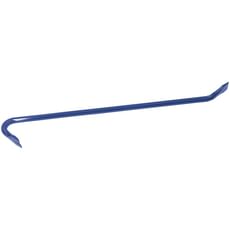
The Draper wrecking bar range encompasses various sizes and configurations to suit different applications, from compact models perfect for detailed carpentry work to heavy-duty variants designed for structural demolition. Each tool is precision-forged from high-grade carbon steel, then heat-treated to achieve the optimal balance between strength and flexibility that prevents bending or snapping under load. The characteristic blue Draper finish not only provides corrosion resistance but also makes these tools instantly recognisable on busy job sites.
Tooled-Up.com stocks the complete selection of Draper wrecking bars, ensuring tradespeople and DIY enthusiasts can find the right tool for their specific requirements. Whether you're stripping out old timber frames, removing floorboards, or separating firmly fixed materials, the Draper range delivers the leverage and durability needed to complete the job efficiently and safely.
Why Choose Draper Wrecking Bars?
Draper's heritage spans over a century of tool manufacturing, and this experience translates directly into the quality of their wrecking bars. The brand's commitment to value without compromising on performance makes their demolition tools particularly attractive to both professional contractors managing budgets and serious DIYers who demand trade-quality equipment.
The forged construction method employed by Draper creates wrecking bars with superior molecular structure compared to cheaper cast alternatives. This manufacturing approach results in tools that can withstand tremendous prying forces without permanent deformation. The precisely engineered claw and chisel ends are designed to concentrate force exactly where needed, whilst the bevelled edges facilitate insertion into tight gaps between materials.
Draper's quality control procedures ensure consistent performance across their entire wrecking bar range. Each tool undergoes rigorous testing to verify it meets the brand's exacting standards for strength, surface finish, and dimensional accuracy. This attention to detail has earned Draper a loyal following amongst tradespeople who rely on their tools day after day, knowing they won't let them down when maximum leverage is required.
Who Uses Draper Wrecking Bars?
- Demolition contractors who require robust tools for structural dismantling work
- Carpenters and joiners using them for careful removal of architraves, skirting boards, and timber fixings
- Building refurbishment specialists stripping out kitchens, bathrooms, and interior fittings
- Groundworkers and landscapers leveraging paving slabs, edging stones, and compacted materials
- Roofers removing tiles, battens, and fascia boards during repairs and replacements
- Property maintenance teams tackling diverse dismantling tasks across residential and commercial premises
- DIY enthusiasts undertaking home renovation projects requiring controlled demolition
- Salvage and reclamation specialists carefully extracting reusable materials without damage
Key Features of Draper Wrecking Bars
The defining characteristic of Draper wrecking bars is their drop-forged carbon steel construction, which provides exceptional strength-to-weight ratio. This manufacturing process aligns the steel's grain structure along the tool's length, dramatically increasing resistance to bending and breakage under extreme loads. The subsequent heat treatment further enhances these properties, creating tools that maintain their shape even after years of demanding use.
Each wrecking bar features precisely machined working ends designed for specific tasks. The chisel end provides a flat, sharp edge perfect for splitting materials and creating initial purchase points, whilst the curved claw end excels at gripping nail heads and providing mechanical advantage when prying. The offset design of many models in the range allows users to apply maximum leverage whilst keeping their hands clear of pinch points.
The surface finish applied to Draper wrecking bars serves both aesthetic and functional purposes. The durable coating resists corrosion from moisture and chemical exposure commonly encountered on construction sites, whilst the distinctive colour scheme aids tool identification and inventory management. The smooth finish also facilitates easy cleaning, allowing dried concrete, paint, and other residues to be removed without difficulty.
Popular Draper Wrecking Bars
The Draper range at Tooled-Up includes various lengths to suit different applications and working environments. Compact 300mm models offer excellent control for detailed work in confined spaces, making them ideal for careful removal of delicate joinery or working in restricted areas where full-size tools cannot be manoeuvred effectively.
Mid-length 450mm and 600mm variants represent the workhorses of the range, providing the optimal balance between portability and leverage for general construction and renovation tasks. These sizes prove particularly popular with carpenters and general builders who appreciate their versatility across multiple applications throughout the working day.
Heavy-duty 900mm and larger wrecking bars deliver maximum leverage for the most demanding demolition work. Their extended length generates tremendous mechanical advantage, enabling single operators to shift substantial loads and separate firmly fixed structural elements. The additional mass of these larger tools also contributes momentum when used in a striking motion to break stubborn connections.
Safety and Compliance
When using Draper wrecking bars, appropriate personal protective equipment is essential. Safety glasses or goggles protect eyes from flying debris, whilst heavy-duty work gloves provide grip and guard against splinters, sharp edges, and trapped fingers. Steel toecap boots offer vital protection should heavy materials or the tool itself be dropped during use.
Always inspect wrecking bars before use, checking for signs of damage such as mushrooming on the striking end, cracks, or excessive wear on working surfaces. Damaged tools should be withdrawn from service immediately as they may fail unpredictably under load. Ensure adequate working clearance exists around your body, particularly when applying maximum force, to prevent injury should the tool slip or materials give way suddenly.
The HSE recommends assessing the structural implications of any demolition work before commencing. When prying or levering, apply force steadily rather than in sudden jerks, and position yourself to avoid overbalancing if resistance suddenly releases. Store wrecking bars securely when not in use, preventing trip hazards and protecting cutting edges from damage that would impair performance.
Frequently Asked Questions
What length Draper wrecking bar should I choose?
Select length based on your typical applications and available working space. For general carpentry and light demolition, a 450-600mm bar offers excellent versatility. Heavier structural work benefits from 750-900mm models that provide greater leverage. Consider purchasing multiple lengths if you regularly tackle diverse tasks.
How do Draper wrecking bars differ from crowbars?
Whilst the terms are sometimes used interchangeably, wrecking bars typically feature a flattened, curved design optimised for demolition work, with pronounced claw and chisel ends. Draper's wrecking bars are specifically engineered for prying, nail extraction, and material separation, with geometry that maximises leverage in these applications.
Can Draper wrecking bars be struck with a hammer?
The chisel end of Draper wrecking bars can withstand being struck to create initial purchase points or drive the blade between materials. However, use a proper lump hammer rather than a claw hammer, and avoid repeated heavy blows to the same spot which may cause mushrooming. Never strike the curved claw end.
How should I maintain my Draper wrecking bar?
Clean thoroughly after use to remove debris, moisture, and corrosive materials. Store in a dry environment to prevent rust formation. Periodically inspect working ends and dress with a file if edges become rolled or damaged. A light coating of oil on exposed steel surfaces provides additional corrosion protection during storage.
Are Draper wrecking bars suitable for professional daily use?
Absolutely. Draper's forged construction and heat treatment process creates tools capable of withstanding the demands of professional tradespeople. Many contractors choose Draper for their excellent balance between performance and value, making them ideal for site work where tools face harsh conditions and potential loss or damage.