

Facom Engineers Hammers
 Loading...
End of content
Error - No more pages to load
Facom Engineers Hammers at Tooled-Up.com
Facom engineers hammers represent the pinnacle of French engineering excellence in striking tools, combining precision manufacturing with decades of professional tool heritage. As part of the prestigious Stanley Black & Decker family, Facom has earned its reputation among discerning tradespeople who demand tools that deliver consistent performance across thousands of strikes. The Facom range available from Tooled-Up.com encompasses ball pein hammers, cross pein hammers, and specialist engineering patterns designed specifically for metalworking, fabrication, and precision assembly work.
What sets Facom engineers hammers apart is their meticulous attention to head geometry, handle ergonomics, and material selection. Each hammer head is forged from high-grade carbon steel that's carefully heat-treated to achieve optimal hardness across the striking face whilst maintaining necessary toughness in the body to prevent chipping or cracking. The striking faces are precision-ground to exact tolerances, ensuring flat, true contact that reduces the risk of glancing blows and improves energy transfer to the workpiece.
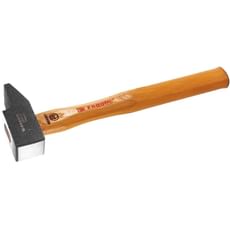
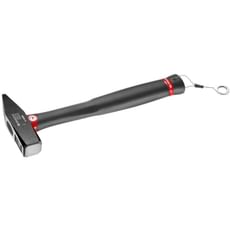
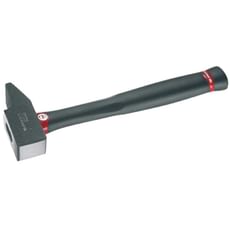
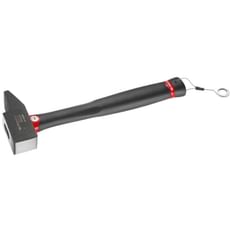
Tooled-Up stocks Facom engineers hammers in various weights and configurations to suit different engineering disciplines, from delicate instrument work requiring 100g ball pein hammers through to substantial 1000g versions for heavy fabrication tasks. The handles feature either traditional hickory with oval cross-sections for superior grip control, or modern fibreglass composite construction with anti-vibration properties that reduce operator fatigue during extended use.
Why Choose Facom Engineers Hammers?
Facom's reputation in the engineering hammer market stems from their unwavering commitment to producing tools that professional metalworkers and fabricators can rely upon throughout their careers. Unlike mass-market alternatives, Facom engineers hammers undergo rigorous quality control processes at their European manufacturing facilities, ensuring each tool meets exacting standards before reaching the end user. The brand's heritage dates back to 1918, and this century of tool-making experience is evident in every aspect of their hammer design.
The precision forging process employed by Facom creates a denser, more uniform grain structure in the hammer head compared to cast alternatives, resulting in superior durability and reduced risk of face mushrooming even after years of professional use. The brand's engineers collaborate directly with metalworking professionals across Europe to refine handle ergonomics, weight distribution, and balance points, ensuring their hammers reduce wrist strain and deliver maximum striking efficiency. Facom also offers a comprehensive warranty on their hand tools, demonstrating confidence in their manufacturing quality and providing tradespeople with peace of mind when investing in premium striking tools.
Who Uses Facom Engineers Hammers?
Facom engineers hammers are the preferred choice for professionals across numerous metalworking disciplines:
- Precision Engineers: For assembly work, bearing installation, and component adjustment requiring controlled strikes
- Fabricators and Welders: For metal forming, panel beating, and tack positioning in steel fabrication workshops
- Maintenance Fitters: For machinery repair, bearing removal, and general mechanical maintenance in industrial settings
- Tool and Die Makers: For precision metalworking where accuracy and tool quality are paramount
- Automotive Technicians: For panel work, component alignment, and mechanical repairs requiring specialist striking tools
- Sheet Metal Workers: For forming operations, seam closing, and detail work in ductwork and architectural metalwork
- Marine Engineers: For maintenance and repair work in demanding maritime environments
- Railway Engineering Technicians: For heavy-duty mechanical work on rolling stock and infrastructure
Key Features of Facom Engineers Hammers
Forged Carbon Steel Construction: Facom utilises high-carbon steel forgings that are heat-treated to achieve Rockwell hardness ratings optimised for engineering applications. This process creates exceptional wear resistance on striking faces whilst maintaining the toughness required to withstand off-centre strikes without chipping.
Precision-Ground Striking Faces: Both the primary striking face and secondary features such as ball or cross peins are machine-ground to exact flatness tolerances, ensuring consistent energy transfer and reducing the likelihood of workpiece damage or marking during precision work.
Ergonomic Handle Design: Whether traditional hickory or modern fibreglass composite, Facom handles feature carefully considered grip diameters and oval cross-sections that nest comfortably in the palm whilst providing secure control during strikes. The handle-to-head attachment utilises mechanical wedging systems that maintain secure fixing throughout the tool's working life.
Optimised Weight Distribution: Each hammer pattern features carefully calculated balance points that position the centre of gravity to maximise striking efficiency whilst minimising operator fatigue. This attention to dynamic balance is particularly noticeable during repetitive striking operations.
Anti-Vibration Technology: Modern Facom fibreglass-handled engineers hammers incorporate damping materials that absorb shock transmission to the operator's hand and wrist, significantly reducing the cumulative strain associated with prolonged hammer use.
Popular Facom Engineers Hammers
Ball Pein Hammers: The most versatile engineers hammer pattern, available in weights from 100g through to 1000g. The rounded pein opposite the flat striking face excels at riveting, metal shaping, and closing operations. Tooled-Up.com typically stocks the popular 227g (8oz), 340g (12oz), and 680g (1.5lb) sizes that cover the majority of engineering workshop requirements.
Cross Pein Hammers: Featuring a wedge-shaped pein perpendicular to the handle, these specialised hammers are favoured for metal forming, starting panel pins in confined spaces, and creating raised beads in sheet metal. The cross pein design concentrates striking force along a line rather than a point, making it ideal for specific fabrication techniques.
Fibreglass Handle Range: Facom's modern composite-handled engineers hammers combine traditional head geometry with contemporary materials science. The fibreglass construction provides superior vibration damping compared to wood whilst offering consistent performance across temperature extremes and resistance to degradation from oils and solvents commonly found in engineering workshops.
Hickory Handle Range: For traditionalists who prefer the feel and feedback of wooden handles, Facom's hickory-handled engineers hammers utilise carefully selected, straight-grained American hickory that's been seasoned and treated to resist moisture absorption and dimensional changes during use.
Safety and Compliance
Facom engineers hammers are manufactured to meet or exceed relevant British and European standards for hand striking tools, including BS EN 12999 for ball pein hammers. Users should always inspect hammer heads before use for signs of mushrooming, chipping, or cracks that could indicate the tool has reached the end of its safe working life. The HSE recommends that any hammer showing signs of face deformation should be removed from service immediately to prevent the risk of metal fragments becoming projectiles during use.
Proper personal protective equipment is essential when using engineers hammers. Safety glasses or face shields conforming to EN 166 standards should always be worn to protect against metal fragments or scale dislodged during striking operations. Steel toe-capped boots meeting EN ISO 20345 standards provide necessary foot protection in the event of dropped tools. When working in environments with hearing protection requirements, be aware that hammer strikes on metal surfaces can generate significant noise levels exceeding 85dB.
Handle condition is equally critical to safe operation. Wooden handles should be inspected for splits, excessive wear, or looseness in the head fitting. Damaged handles compromise control and can lead to the head detaching during use. Fibreglass handles should be checked for cracking or delamination, particularly in the stress concentration area immediately below the head. Facom recommends replacing any hammer showing handle damage rather than attempting field repairs, as striking tools operate under considerable dynamic forces that can exploit weaknesses in compromised components.
Frequently Asked Questions
What weight of Facom ball pein hammer should I choose for general engineering work?
For versatile workshop use, a 340g (12oz) or 454g (1lb) ball pein hammer provides the best balance between striking force and control. The 340g size suits precision work, bearing installation, and light forming operations, whilst the 454g version handles heavier assembly tasks and moderate forming work. Many professional engineers keep both weights in their toolkits to cover the full spectrum of daily tasks without resorting to unnecessarily heavy hammers that increase fatigue.
How do Facom fibreglass handles compare to traditional hickory for engineers hammers?
Fibreglass composite handles offer superior vibration damping, which reduces operator fatigue during extended use and provides better protection against conditions such as hand-arm vibration syndrome. They're also impervious to moisture, oils, and solvents that can degrade wooden handles over time. However, traditional hickory provides tactile feedback that some experienced engineers prefer, as it communicates strike quality through subtle vibrations. Hickory also offers a degree of flex that absorbs shock differently to rigid fibreglass. The choice often comes down to personal preference and working environment—fibreglass excels in harsh conditions whilst hickory appeals to traditionalists who value its natural characteristics.
Can Facom engineers hammers be used for striking hardened steel components?
Whilst Facom engineers hammers feature hardened striking faces suitable for general metalworking, repeatedly striking fully hardened steel components (such as hardened punches, chisels, or bearing races) will eventually cause face damage. For applications involving hardened steel, use a soft-face hammer or copper/brass drift to protect both the hammer and workpiece. If you must strike hardened components directly, ensure the hammer face remains clean and flat, inspect it regularly for mushrooming or cracking, and accept that this demanding use may shorten tool life compared to striking softer materials.
How should I maintain my Facom engineers hammers for maximum lifespan?
Keep striking faces clean and free from oils or debris that could cause slippage during use. Periodically inspect for mushrooming around face edges—if deformation occurs, carefully dress the face with a file or bench grinder to restore proper geometry, ensuring you don't overheat the steel which could affect its temper. For hickory handles, occasionally treat with linseed oil to maintain moisture content and prevent drying and splitting. Store hammers in dry conditions where heads won't contact other tools that could cause damage. Check handle tightness regularly—wooden handles may require periodic re-wedging as the wood compresses with use. Never use a hammer with a loose head, and replace handles showing cracks or significant wear immediately.
What's the difference between Facom's French and cross pein patterns?
Both patterns feature a wedge-shaped pein opposite the main striking face, but they differ in orientation and application. Cross pein hammers have the wedge oriented perpendicular (at 90 degrees) to the handle, making them ideal for starting pins, forming narrow grooves, and working in confined spaces where the wedge needs to run across the line of the handle. French pattern engineers hammers (also called straight pein) have the wedge aligned parallel to the handle, which suits different forming operations and provides better visibility of the pein position during precision work. Cross pein designs are more common in British engineering workshops, whilst French patterns have specialist applications in particular metalworking disciplines. Most general engineering work can be accomplished with a standard cross pein configuration.