

Facom Pipe Cutters
 Loading...
End of content
Error - No more pages to load
Facom Pipe Cutters at Tooled-Up.com
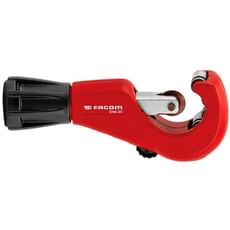
Facom has built an exceptional reputation in the professional tool industry, and their pipe cutting solutions exemplify the French manufacturer's commitment to precision engineering and durability. The Facom pipe cutter range available from Tooled-Up.com represents decades of innovation in cutting technology, delivering clean, accurate cuts across copper, aluminium, stainless steel, and plastic pipework. These professional-grade tools are engineered to meet the demanding requirements of modern plumbing and heating installations, where precision and reliability are non-negotiable.
What distinguishes Facom pipe cutters from competitors is their meticulous attention to detail in both design and manufacturing. Each tool features hardened steel cutting wheels that maintain their edge through thousands of cuts, whilst ergonomic handles reduce operator fatigue during extended use on site. The brand's ratcheting mechanisms are particularly renowned for their smooth operation and longevity, allowing tradespeople to work efficiently in confined spaces where traditional cutters would prove impractical.
Whether you're working on residential installations, commercial projects, or industrial maintenance, Tooled-Up stocks Facom pipe cutters designed to handle pipes ranging from compact 3mm tubes through to substantial 67mm diameter pipework. The collection includes both standard and automatic models, each engineered to deliver burr-free cuts that eliminate the need for extensive finishing work.
Why Choose Facom Pipe Cutters?
Facom's heritage in professional tool manufacturing spans over a century, and this experience is evident in every pipe cutter they produce. The brand's commitment to quality has made them the preferred choice for professional plumbers, heating engineers, and maintenance technicians across the UK and Europe. Facom pipe cutters consistently outperform cheaper alternatives in terms of cutting accuracy, blade longevity, and overall durability.
The cutting wheels used in Facom pipe cutters are manufactured from specially hardened steel alloys that resist chipping and maintain their sharpness significantly longer than standard alternatives. This translates directly into cost savings for professional users, as replacement wheels are needed far less frequently. Additionally, Facom's precise manufacturing tolerances ensure that cuts remain perfectly square to the pipe axis, crucial for creating leak-free joints in compression and soldered connections.
Facom also excels in ergonomic design, with contoured handles that distribute pressure evenly across the palm and reduce the risk of repetitive strain injuries. The ratcheting mechanisms found in their premium models allow operators to make clean cuts with minimal hand movement, particularly valuable when working in awkward positions or restricted access areas common in renovation work.
Who Uses Facom Pipe Cutters?
Facom pipe cutters are trusted by a wide range of professionals and skilled DIY enthusiasts:
- Plumbers and Gas Engineers: For cutting copper and plastic pipes during installation and repair work
- Heating Engineers: Particularly for microbore and standard central heating pipework
- Air Conditioning Technicians: For precision cutting of refrigerant lines
- Maintenance Engineers: In commercial and industrial facilities requiring regular pipe system modifications
- Construction Professionals: Working on new build projects with extensive pipework requirements
- Facilities Managers: Maintaining building services and infrastructure
- Automotive Technicians: For cutting brake lines and fuel pipes
- Serious DIY Enthusiasts: Undertaking bathroom, kitchen, or heating system installations
Key Features of Facom Pipe Cutters
Facom pipe cutters incorporate several distinctive features that enhance their performance and longevity. The progressive cutting wheel design ensures even pressure distribution around the pipe circumference, preventing deformation of softer materials like copper and aluminium. This is particularly important when working with thin-walled pipes where crushing could compromise joint integrity.
The automatic models feature self-adjusting mechanisms that maintain optimal cutting pressure throughout the operation, requiring only a simple rotation of the tool around the pipe. This innovation significantly reduces operator fatigue whilst ensuring consistently clean cuts. The quick-release mechanisms allow for rapid repositioning, speeding up work on multiple cuts.
Facom's attention to material selection extends beyond the cutting wheels to include corrosion-resistant body construction and reinforced adjustment screws that won't strip under heavy use. Many models feature fold-away reamers integrated into the body, providing immediate deburring capability without requiring a separate tool. The clearly marked adjustment scales help achieve precise cutting depths when working with multilayer or composite pipes.
Popular Facom Pipe Cutters
Whilst specific product availability varies, the Facom pipe cutter range typically encompasses several distinct categories designed for different applications and user preferences. Their compact mini cutters excel in tight spaces and are ideal for 6mm to 22mm copper pipe, making them perfect for domestic plumbing work. The standard ratcheting pipe cutters cover the most common pipe sizes from 12mm to 42mm and represent the workhorse tools found in most professional plumbers' kits.
For larger diameter work, Facom manufactures heavy-duty cutters capable of handling pipes up to 67mm, featuring reinforced frames and enhanced leverage systems. The automatic pipe cutters with self-ratcheting mechanisms are particularly popular among heating engineers who frequently work with repetitive cuts. Facom also produces specialised plastic pipe cutters with modified blade geometries optimised for PVC, PEX, and multilayer composite pipes commonly used in modern installations.
Safety and Compliance
When using Facom pipe cutters, proper safety practices ensure both operator wellbeing and optimal tool performance. Always ensure pipes are properly secured before cutting to prevent movement that could result in injury or inaccurate cuts. The cutting wheels are extremely sharp and should never be touched directly; always use the supplied key or adjustment mechanism when changing blades.
When cutting pipes that may contain residual liquids or under pressure systems, always isolate and drain the system completely before commencing work. Wear appropriate PPE including safety glasses to protect against metal fragments and gloves when handling freshly cut pipe ends. Facom tools meet relevant European CE marking requirements and comply with applicable BS EN standards for hand tools.
Regular maintenance extends tool life and maintains safety standards. Clean cutting wheels after use, particularly when working with plastic pipes that can leave residue. Store pipe cutters in a dry environment to prevent corrosion of adjustment mechanisms. Inspect cutting wheels regularly for chips or excessive wear, replacing them promptly to maintain cutting quality and prevent pipe deformation.
Frequently Asked Questions
How often should I replace the cutting wheel on my Facom pipe cutter?
The longevity of Facom cutting wheels depends on usage intensity and materials being cut. Professional plumbers typically replace wheels after cutting approximately 500-1000 pipes, though this varies significantly. Signs that replacement is needed include requiring excessive pressure to complete cuts, visible chips or flat spots on the wheel, or cuts that aren't perfectly square. The hardened steel construction of Facom wheels generally outlasts cheaper alternatives by a considerable margin.
Can Facom pipe cutters handle stainless steel pipes?
Yes, many Facom pipe cutters are capable of cutting stainless steel, though it's essential to select a model specifically rated for this harder material. Stainless steel requires cutters with specially hardened wheels and reinforced frames to handle the additional cutting forces. Always verify the manufacturer's specifications for your particular model, and expect to replace cutting wheels more frequently when working with stainless steel compared to copper or aluminium.
What's the difference between standard and automatic Facom pipe cutters?
Standard Facom pipe cutters require manual adjustment of the cutting wheel pressure using a thumbscrew or knob as you rotate the tool around the pipe. Automatic or ratcheting models feature mechanisms that progressively increase cutting pressure with each rotation, eliminating the need for manual adjustment. Automatic cutters are faster and less tiring for repetitive cutting work but typically cost more initially. Both types deliver excellent cutting quality when properly maintained.
How do I prevent my Facom pipe cutter from crushing thin-walled copper pipes?
Pipe deformation occurs when excessive pressure is applied too quickly. With Facom pipe cutters, advance the cutting wheel gradually—typically no more than a quarter turn of the adjustment mechanism between each complete rotation around the pipe. Let the cutting wheel do the work rather than forcing it. Facom's progressive wheel design helps distribute pressure evenly, but patient operation is key. For particularly thin-walled pipes, consider using a Facom model specifically designed for thin materials with modified wheel profiles.
Are Facom pipe cutters suitable for plastic and composite pipes?
Whilst Facom manufactures pipe cutters suitable for plastic materials, it's important to select the appropriate model. Standard cutters designed for copper may crush or deform plastic pipes rather than cutting cleanly. Facom produces dedicated plastic pipe cutters featuring modified blade geometries and cutting angles optimised for PVC, MDPE, PEX, and multilayer composite pipes. These specialised cutters prevent the material compression and distortion that can occur when using metal-pipe cutters on plastics.