

Facom Pry Bars
 Loading...
End of content
Error - No more pages to load
Facom Pry Bars at Tooled-Up.com
Facom has built an enviable reputation across the professional tool industry, and their pry bars exemplify the French manufacturer's commitment to precision engineering and durability. These essential workshop tools combine superior metallurgy with ergonomic design, making them the go-to choice for mechanics, bodywork specialists, and maintenance professionals who demand reliable performance day after day. Whether you're removing stubborn components, separating panels, or aligning parts during assembly, Facom pry bars deliver the leverage and control needed for precision work.
The Facom pry bar range available from Tooled-Up.com showcases the brand's expertise in producing tools that withstand the demanding conditions of professional workshops and automotive environments. Each pry bar is manufactured from high-grade alloy steel that's been heat-treated to resist bending and wear, whilst the carefully shaped profiles ensure optimal force distribution and access into tight spaces. From compact mini pry bars perfect for delicate trim work to heavy-duty models designed for stubborn suspension components, Facom offers solutions for virtually every levering and separating task.
Facom pry bars feature precisely ground tips that maintain their shape even under significant load, reducing the risk of slipping and preventing damage to surrounding components. The ergonomic handles provide secure grip even when working with oily hands, whilst the distinctive Facom red finish makes these tools instantly recognisable in busy workshop environments. This attention to practical detail reflects decades of collaboration with professional users who rely on their tools for their livelihood.
Why Choose Facom Pry Bars?
Facom's distinguished heritage in the automotive and industrial sectors means their pry bars are engineered to meet the exacting standards of professional tradespeople. The brand's commitment to quality is evident in every aspect of their pry bar construction, from the selection of raw materials through to the final heat treatment processes that ensure optimal hardness and flexibility. Unlike cheaper alternatives that may bend, chip, or break under load, Facom pry bars are built to maintain their integrity throughout years of professional use.
The precision manufacturing standards applied to Facom pry bars result in tools with exceptional dimensional accuracy. Tips are ground to precise angles that maximise effectiveness whilst minimising the risk of component damage, whilst the shafts are carefully profiled to provide access into restricted spaces without compromising strength. This level of engineering excellence translates into increased productivity for professionals who can work confidently knowing their tools won't let them down during critical tasks.
Facom's reputation for innovation extends to their pry bar designs, with features such as multi-functional tip geometries and optimised leverage ratios that reduce the physical effort required for demanding jobs. The brand also maintains rigorous quality control throughout production, ensuring consistency across their entire range. For professionals who understand that tool failure can mean lost time and potentially dangerous situations, Facom represents a trusted investment in workshop reliability.
Who Uses Facom Pry Bars?
- Automotive Technicians: Motor mechanics and vehicle technicians rely on Facom pry bars for separating ball joints, removing trim panels, and accessing hard-to-reach fasteners during repair and maintenance work
- Bodywork Specialists: Panel beaters and automotive refinishers use Facom pry bars for carefully removing body panels, badges, and trim without causing cosmetic damage
- Plant Engineers: Industrial maintenance professionals depend on Facom pry bars for machinery assembly, bearing removal, and general workshop tasks in manufacturing environments
- Agricultural Engineers: Farm mechanics use these robust tools for maintaining and repairing agricultural machinery, where reliability in harsh conditions is paramount
- Heavy Vehicle Technicians: Commercial vehicle mechanics choose Facom pry bars for the demanding work involved in maintaining lorries, buses, and construction equipment
- Manufacturing Assembly Workers: Production line technicians utilise Facom pry bars for precise component alignment and assembly operations
- Skilled DIY Enthusiasts: Serious home mechanics who appreciate professional-grade tools for their personal workshop projects and vehicle maintenance
Key Features of Facom Pry Bars
Facom pry bars incorporate several distinctive features that set them apart from standard workshop levers. The alloy steel construction undergoes specialist heat treatment to achieve the optimal balance between hardness and flexibility, preventing both permanent deformation and brittle fracture. This metallurgical precision means the tools can withstand significant leverage forces whilst maintaining their original profile even after extended professional use.
The tip geometry on Facom pry bars receives particular attention during manufacturing. Ground to precise angles and profiles, these tips are designed to slide beneath components and into gaps without causing damage to painted surfaces or threaded fasteners. The controlled taper allows progressive insertion whilst the hardened finish resists mushrooming and deformation. Many Facom pry bars feature multi-angle tips that provide versatility for different applications without requiring multiple tool changes.
Handle design on Facom pry bars prioritises both comfort and control. Ergonomically shaped grips reduce hand fatigue during extended use, whilst textured surfaces maintain grip security even in oily workshop conditions. The balanced weight distribution ensures natural handling characteristics, allowing precise control when working around delicate components. Strategic placement of fulcrum points maximises mechanical advantage, reducing the physical effort required for levering operations.
Facom applies their signature red powder coating not merely for brand identification but also for corrosion protection in demanding workshop environments. This durable finish resists chemical exposure, moisture, and mechanical abrasion, maintaining the tools' appearance and functionality throughout their working life. The distinctive colouring also aids tool management and inventory control in busy professional workshops.
Popular Facom Pry Bars
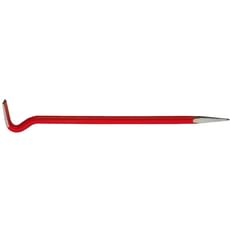
Within the Facom pry bar collection at Tooled-Up, several designs have become workshop staples across various industries. The classic straight pry bar range offers lengths from compact 200mm models for confined spaces through to substantial 600mm versions that provide significant mechanical advantage for heavy-duty applications. These feature the trademark Facom chisel tip design that's proven effective across countless automotive and industrial applications.
Facom's rolling head pry bars represent a specialised solution for tasks requiring controlled leverage without surface marking. The rotating fulcrum head distributes load across a wider area whilst allowing continuous adjustment of the working angle, making these particularly valuable for panel alignment and assembly work. The curved profile versions excel at reaching behind panels and into recessed areas where straight bars cannot access effectively.
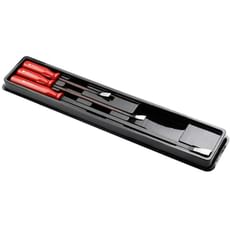
Mini pry bar sets from Facom cater specifically to precision work involving delicate trim components, electronic assemblies, and interior fittings. These compact tools provide the control needed when working with plastic clips, rubber seals, and finished surfaces where damage must be avoided. Despite their smaller dimensions, they maintain the same build quality and material standards as their full-size counterparts.
Safety and Compliance
Whilst pry bars are relatively simple tools, proper usage remains essential for both operator safety and effective results. Facom designs their pry bars to minimise common hazards, but users should always wear appropriate personal protective equipment including safety glasses to guard against flying debris and work gloves to protect hands from sharp edges. When applying significant force, ensure stable footing and body positioning to prevent injury should the tool slip or the component suddenly release.
The hardened steel construction of Facom pry bars means they can store considerable energy when flexed under load. Never exceed the working capacity of the tool or use extension tubes to increase leverage, as this may cause sudden failure or loss of control. Always inspect pry bars before use for any signs of damage, deformation, or cracks that could compromise structural integrity. Tools showing wear or damage should be removed from service immediately.
When working on vehicles or machinery, ensure components are properly supported before attempting removal or adjustment. The HSE guidelines for hand tool usage emphasise selecting the correct tool for each specific task rather than improvising with inappropriate equipment. Facom pry bars should be used only for their intended levering and separating purposes, never as chisels, punches, or striking tools, as such misuse may damage the tool and create hazardous situations.
Proper storage extends tool life and maintains workplace safety. Keep Facom pry bars organised in dedicated tool storage where they cannot cause injury through accidental contact. Regular cleaning removes corrosive residues, whilst periodic inspection ensures any developing issues are identified before they compromise safety or performance.
Frequently Asked Questions
What makes Facom pry bars superior to budget alternatives?
Facom pry bars are manufactured from premium alloy steel with specialist heat treatment that provides exceptional durability and resistance to bending or breaking. The precision grinding of tips maintains their effectiveness over time, whilst the ergonomic design reduces user fatigue. Budget alternatives often use inferior materials that deform under professional use, potentially damaging components and requiring frequent replacement.
How should I maintain my Facom pry bars?
After each use, wipe Facom pry bars clean of oil, grease, and debris to prevent corrosion. Inspect the tips regularly for damage or deformation, and store tools in a dry environment. The powder-coated finish provides good corrosion protection, but a light coating of oil on exposed steel surfaces offers additional protection in humid workshop conditions. Never expose pry bars to excessive heat or use them for hammering, as this compromises the heat treatment.
Can Facom pry bars be used on painted or finished surfaces?
Whilst Facom pry bars feature smoothly finished tips designed to minimise marking, direct contact with painted or polished surfaces should be avoided where possible. For work involving finished surfaces, use protective materials such as plastic shims or masking tape between the tool and the component. Facom's mini pry bar range offers smaller contact areas for more delicate applications, whilst their rolling head designs distribute forces to reduce marking risk.
What length pry bar should I choose for automotive work?
Most automotive technicians require multiple lengths for different applications. A 300-400mm straight pry bar handles general tasks such as trim removal and suspension work, whilst a 500-600mm model provides additional leverage for stubborn components. Complementing these with a mini pry bar set covers delicate interior trim and electrical connector work. The specific requirements depend on the vehicle types you work with and the nature of typical tasks.
Are Facom pry bars suitable for heavy industrial applications?
Facom manufactures their pry bars to professional standards suitable for demanding industrial environments. The heat-treated alloy steel construction withstands the rigours of plant maintenance, machinery assembly, and heavy component work. However, always select the appropriate size and type for the specific application, and never exceed the working capacity of the tool. For extremely heavy-duty industrial levering, dedicated industrial pry bars or mechanical lifting equipment may be more appropriate than standard automotive pry bars.