

Faithfull Anvils
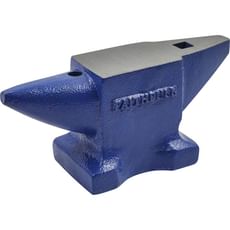
 Loading...
Faithfull Anvils at Tooled-Up.com
Faithfull has established itself as a trusted name in metalworking equipment, and their anvil range exemplifies the brand's commitment to delivering professional-grade tools at accessible prices. Designed for blacksmiths, metalworkers, farriers, and engineering professionals, Faithfull anvils combine traditional craftsmanship with modern manufacturing standards to provide reliable performance across demanding workshop applications. Each anvil in the Faithfull collection is manufactured from high-quality cast iron or steel, featuring precision-machined working surfaces that deliver the accuracy and durability required for shaping, forming, and finishing metal components.
The Faithfull anvil range available from Tooled-Up includes various weight options to suit different workshop requirements and metalworking tasks. From compact bench-mounted models ideal for jewellery making and light fabrication work, through to substantial workshop anvils capable of handling heavy forging operations, Faithfull provides solutions for both hobbyist craftspeople and professional tradespeople. Each anvil features the classic design elements that metalworkers rely upon, including a flat working face, hardy hole for tooling, and a horn for bending and shaping curved profiles.
Recognising that anvils represent a significant investment for any workshop, Faithfull ensures their products deliver exceptional value without compromising on essential quality standards. The brand's anvils undergo rigorous quality control processes to guarantee consistent performance, with hardened working surfaces that resist deformation even under repeated hammer strikes. This attention to detail has made Faithfull anvils a popular choice among tradespeople who require dependable equipment that will serve them reliably for years to come.
Why Choose Faithfull Anvils?
Faithfull has built a reputation for delivering professional-quality tools that represent outstanding value for money, and their anvil range perfectly demonstrates this philosophy. The brand understands that metalworkers require equipment that can withstand the rigours of daily workshop use, which is why Faithfull anvils are manufactured to exacting standards using durable materials. The working faces are precision-ground to provide a flat, smooth surface essential for accurate metalworking, whilst the robust construction ensures stability during heavy hammering operations.
Quality control sits at the heart of Faithfull's manufacturing process. Each anvil is carefully inspected to ensure it meets the brand's stringent specifications for dimensional accuracy, surface finish, and structural integrity. This commitment to consistency means that tradespeople can purchase Faithfull anvils with confidence, knowing they're investing in equipment that will perform reliably from day one. The brand's extensive experience in the tool industry, spanning several decades, provides additional reassurance that Faithfull understands the real-world demands placed upon workshop equipment.
Another compelling reason to choose Faithfull anvils is the brand's focus on practical design features that enhance usability. From the ergonomically positioned hardy holes that accept a range of tooling accessories, to the carefully shaped horns that facilitate efficient curve forming, every element is designed with the working tradesperson in mind. Faithfull anvils also offer excellent weight-to-performance ratios, providing sufficient mass for effective metalworking whilst remaining manageable for workshop positioning and occasional relocation.
Who Uses Faithfull Anvils?
Faithfull anvils serve a diverse range of metalworking professionals and enthusiasts:
- Blacksmiths and Forge Workers: Traditional and modern blacksmiths rely on Faithfull anvils for shaping hot metal, creating decorative ironwork, and general forging operations
- Farriers: Horse shoe specialists who require portable yet robust anvils for on-site work and stable-based shoeing operations
- Metal Fabricators: Workshop professionals engaged in custom metalwork, repairs, and bespoke fabrication projects
- Engineering Workshops: Maintenance engineers and fabrication specialists who need anvils for forming, straightening, and assembly tasks
- Jewellery Makers and Silversmiths: Craftspeople working with precious metals who require smaller anvils for detailed forming and shaping work
- Agricultural Engineers: Farm-based engineers and mechanics who perform repairs and fabrication work in rural workshop settings
- Educational Institutions: Colleges, technical schools, and training centres teaching metalworking and blacksmithing skills
- Hobbyist Metalworkers: DIY enthusiasts and craft hobbyists developing their metalworking skills and creating projects at home
- Restoration Specialists: Professionals restoring vintage machinery, vehicles, and architectural metalwork requiring period-appropriate fabrication techniques
Key Features of Faithfull Anvils
Faithfull anvils incorporate several important features that enhance their functionality and durability:
High-Quality Cast Iron and Steel Construction: Manufactured from robust materials selected for their ability to withstand repeated impact forces, Faithfull anvils provide the solid foundation essential for effective metalworking. The dense material composition absorbs hammer strikes efficiently, reducing rebound and improving control during forming operations.
Precision-Ground Working Surfaces: The flat face of each Faithfull anvil is carefully machined to provide a smooth, level working surface. This precision ensures that metal components can be formed accurately without unwanted distortion or surface marking, which is particularly important for finishing operations and decorative work.
Hardened Face Plates: Many Faithfull anvils feature hardened working surfaces that resist deformation and wear over extended periods of use. This heat-treatment process enhances the longevity of the anvil whilst maintaining the rebound characteristics that experienced metalworkers rely upon for efficient hammer work.
Traditional Horn Design: The tapered horn section allows metalworkers to form curved profiles, rings, and circular components with ease. The gradual taper provides multiple working radii within a single feature, offering versatility for different project requirements.
Hardy and Pritchel Holes: These standard anvil features accept various tooling accessories including hardy tools for cutting and forming operations. The holes are precisely sized to accept standard tooling, ensuring compatibility with a wide range of metalworking accessories.
Stable Base Design: Faithfull anvils feature wide, stable bases that can be securely mounted to workshop benches or dedicated anvil stands. This stability is crucial for safety and accuracy, preventing movement during heavy hammering operations.
Popular Faithfull Anvils
Tooled-Up stocks a comprehensive selection of Faithfull anvils to suit different workshop requirements and metalworking applications. The range includes various weight categories, each designed to meet specific user needs:
Light-Duty Bench Anvils: Compact models typically weighing between 5-15kg, ideal for jewellery making, small-scale metalwork, and hobbyist applications. These anvils are perfect for workshops with limited space or for tradespeople requiring a secondary anvil for detailed work.
Medium Workshop Anvils: Mid-range options weighing approximately 20-40kg, suitable for general fabrication, farrier work, and small blacksmithing operations. These anvils offer an excellent balance between portability and functional mass for everyday metalworking tasks.
Heavy-Duty Professional Anvils: Substantial workshop anvils exceeding 50kg in weight, designed for serious blacksmithing, heavy forging, and industrial metalworking applications. The increased mass provides superior stability and more effective energy transfer during heavy hammering operations.
Specialist Anvils: Faithfull also produces anvils with specific features tailored to particular trades, including farrier anvils with extended horns and stake anvils for panel beating and automotive restoration work.
Safety and Compliance
Whilst anvils themselves are relatively simple tools, their safe use requires adherence to proper workshop practices and health and safety guidelines. The Tooled-Up range of Faithfull anvils is manufactured to meet relevant quality standards, ensuring they're fit for professional workshop environments.
When using any anvil, including Faithfull models, operators should ensure the anvil is securely mounted to prevent movement during use. The mounting surface should be solid and capable of supporting both the anvil's weight and the forces generated during hammering operations. Anvils should be positioned at an appropriate working height – typically with the face at knuckle height when the operator's arm hangs naturally at their side – to reduce strain and improve control.
Personal protective equipment is essential when working with anvils and metalworking operations. Safety glasses or a face shield should always be worn to protect against flying scale, metal fragments, and spark hazards. Hearing protection is advisable during extended hammering sessions, whilst steel-toed boots provide essential foot protection should tools or workpieces be dropped. When working with hot metal in forging operations, appropriate heat-resistant gloves and protective clothing should be worn.
Workshop environments should be well-ventilated, particularly when working with hot metals that may produce fumes or when using treatments such as oils or chemical patinas. Adequate lighting is essential for accurate work and helps operators identify potential hazards. Fire safety equipment should be readily accessible, especially in workshops where hot metalworking is performed. Regular inspection of the anvil for damage, such as cracks or excessive deformation of the working surface, helps maintain safe working conditions and ensures continued performance.
Frequently Asked Questions
What weight of Faithfull anvil do I need for general metalworking?
For general workshop metalworking and light blacksmithing, an anvil weighing between 25-50kg provides a good balance of functionality and portability. Heavier anvils offer better stability and more effective energy transfer for serious forging work, whilst lighter models suit jewellery making, small repairs, and situations where workshop space is limited. Consider the heaviest anvil your workshop space and mounting surface can accommodate, as greater mass generally improves performance.
How should I mount my Faithfull anvil?
Anvils should be securely mounted to a stable base such as a hardwood stump, purpose-built anvil stand, or robust workbench. Traditional mounting methods include setting the anvil on a substantial timber base secured to the workshop floor, which absorbs vibration whilst providing excellent stability. Some metalworkers prefer steel stands, which offer portability and adjustable height options. Ensure the mounting is rigid and capable of supporting both the anvil's weight and the forces generated during use. The working face should be positioned at approximately knuckle height for comfortable operation.
Do Faithfull anvils require any special maintenance?
Faithfull anvils require minimal maintenance but benefit from basic care to preserve their working surfaces. Keep the face clean and free from debris, and wipe it down with a light machine oil after use to prevent rust formation. Avoid striking the anvil face directly with hardened tools, as this can cause damage – always place work material between the tool and anvil surface. If the face becomes marked or slightly uneven over time, it can be carefully dressed with a fine file or grinding stone, though this should be done sparingly to preserve the working surface. Store anvils in a dry environment when not in use, and inspect regularly for cracks or damage.
Can Faithfull anvils be used for hot forging work?
Yes, Faithfull anvils are suitable for hot forging operations including traditional blacksmithing work. The robust construction and hardened working surfaces can withstand the thermal cycling and impact forces associated with forging hot metal. However, avoid rapid temperature changes (such as quenching hot workpieces directly on the anvil face) as this can cause thermal shock and potential damage. When performing hot work, ensure your workshop has adequate ventilation and that appropriate safety equipment is used. The anvil face may develop a patina or discolouration from hot work, which is normal and doesn't affect functionality.
What's the difference between cast iron and steel anvils?
Faithfull produces anvils in both cast iron and steel construction, each offering distinct characteristics. Cast iron anvils are typically more affordable and provide adequate performance for general metalworking, hobby use, and light fabrication tasks. Steel anvils, particularly those with hardened face plates, offer superior rebound characteristics and greater resistance to deformation under heavy use, making them preferred for serious blacksmithing and professional forging operations. Steel anvils also tend to have better ring and feel, which experienced metalworkers value for control and feedback during hammering. Choose based on your intended use, budget, and the intensity of work the anvil will perform.