

Faithfull Bars
 Loading...
End of content
Error - No more pages to load
Faithfull Bars at Tooled-Up.com
Faithfull has earned a reputation as one of the UK's most trusted names in hand tools and site equipment, and their range of bars exemplifies the brand's commitment to quality and durability. The Faithfull Bars collection encompasses essential prying, levering, and demolition tools designed to withstand the rigours of professional construction, renovation, and dismantling work. From compact wrecking bars for precise demolition tasks to heavy-duty crowbars for major structural work, Tooled-Up.com stocks a comprehensive selection of Faithfull bars engineered to deliver reliable performance across diverse applications.
Manufactured from hardened and tempered steel, Faithfull bars are built to resist bending, breaking, and deformation even under extreme force. Each tool features carefully designed leverage points and striking faces that maximise efficiency whilst minimising user fatigue during extended use. Whether you're removing floorboards, dismantling frameworks, or breaking out brickwork, Faithfull's bars provide the mechanical advantage and structural integrity professionals demand on challenging job sites.
The Faithfull range available from Tooled-Up includes wrecking bars, pinch bars, crowbars, and specialist prying tools in various lengths and profiles. Each design serves specific purposes, from delicate extraction work to heavy-duty demolition, ensuring tradespeople have access to the right tool for every prying and levering requirement. Protective coatings and ergonomic features throughout the range demonstrate Faithfull's understanding of real-world working conditions and user needs.
Why Choose Faithfull Bars?
Faithfull's reputation in the UK tool market rests on decades of delivering robust, reliable equipment at accessible price points without compromising on performance. Their bars are manufactured to exacting standards using premium-grade materials, ensuring consistent quality across the entire range. The heat treatment processes applied to Faithfull bars create the optimal balance between hardness and toughness, preventing both brittleness and excessive flex that could compromise effectiveness or safety.
Value for money distinguishes Faithfull from premium brands whilst maintaining performance standards that satisfy professional tradespeople. The brand's understanding of British working conditions means their bars are designed with features particularly suited to UK construction practices and site environments. Faithfull's extensive distribution network and established presence in the UK market also ensure excellent parts availability and consistent product quality, giving buyers confidence in their investment.
Faithfull backs their bars with quality assurance processes and responsive customer support, reflecting the brand's commitment to customer satisfaction. The company's continuous product development programme ensures their tools incorporate feedback from working professionals, resulting in practical design improvements that enhance usability and longevity on actual job sites.
Who Uses Faithfull Bars?
- General Builders – for demolition work, formwork removal, and general prying tasks
- Carpenters and Joiners – removing nails, dismantling frameworks, and precision prying
- Roofers – stripping old roofing materials and removing battens
- Groundworkers – levering paving slabs, manhole covers, and kerb stones
- Demolition Contractors – structural dismantling and material separation
- Shopfitters – removing fixtures, fittings, and temporary installations
- Property Maintenance Teams – renovation work and repair tasks
- DIY Enthusiasts – home improvement projects requiring demolition or dismantling
- Landscapers – moving heavy materials and removing established features
- Salvage Specialists – careful extraction of reusable materials
Key Features of Faithfull Bars
Hardened and Tempered Steel Construction: Faithfull bars are forged from high-carbon steel that undergoes heat treatment to achieve optimal hardness ratings, preventing bending whilst maintaining impact resistance. This manufacturing process creates tools capable of withstanding repeated heavy use without structural compromise.
Optimised Leverage Geometry: Each bar features carefully calculated curves, angles, and fulcrum points that maximise mechanical advantage, allowing users to apply substantial force with minimal effort. This thoughtful design reduces physical strain during extended demolition or prying work.
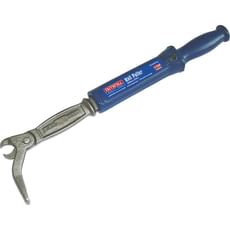
Dual-Purpose Nail Pullers: Many Faithfull wrecking bars incorporate integrated nail pullers with precision-ground slots that grip nail heads securely, facilitating clean extraction without damaging surrounding materials—essential for renovation work where preservation matters.
Protective Surface Finishes: Black oxide or powder-coated finishes protect against corrosion whilst providing improved grip characteristics. These coatings extend tool life, particularly important in damp site conditions typical of UK construction environments.
Striking Surfaces: Designated striking points on Faithfull bars allow users to apply percussive force with hammers or mauls without damaging the tool, enabling techniques that combine leverage with impact for stubborn materials.
Popular Faithfull Bars
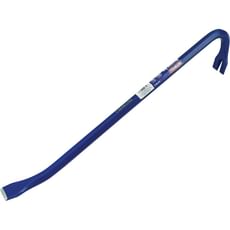
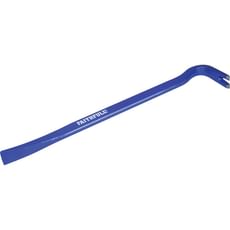
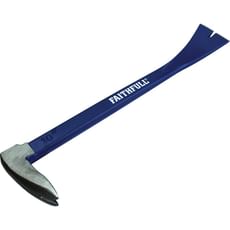
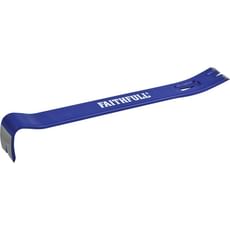
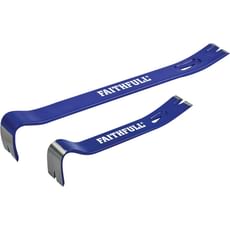
Wrecking Bars: Available in lengths from 300mm to 900mm, these versatile tools feature flat prying ends and curved nail pullers, making them indispensable for carpentry and general demolition work. The smaller sizes excel in confined spaces whilst longer variants provide increased leverage for substantial materials.
Crowbars: Heavy-duty straight and curved crowbars in the Faithfull range deliver maximum leverage for demanding demolition tasks. Lengths typically range from 600mm to 1800mm, with thicker cross-sections providing the structural strength required for breaking out brickwork, concrete, and structural timbers.
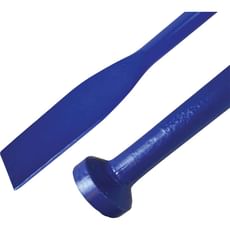
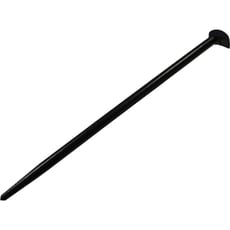
Pinch Bars: Also known as jimmy bars, these straight prying tools feature wedge-shaped tips ideal for creating initial gaps before applying greater leverage. Faithfull pinch bars are particularly effective for lifting paving, separating timber joints, and general site levering tasks.
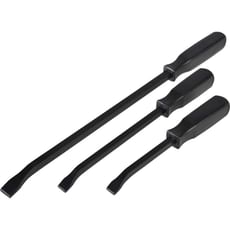
Decorators' Stripping Bars: Slimmer profile bars designed for more delicate work, including removing architraves, skirting boards, and decorative mouldings without causing excessive damage to surrounding surfaces—essential for renovation projects requiring careful material preservation.
Safety and Compliance
When using Faithfull bars, appropriate personal protective equipment is essential. Safety glasses or goggles protect against flying debris, whilst heavy-duty gloves prevent blisters and protect hands from sharp edges on both tools and materials being worked. Steel toe-capped boots provide crucial protection should heavy materials or tools fall during demolition work.
Always inspect bars before use for signs of damage, including cracks, excessive wear, or bent sections that could fail under load. Never exceed the tool's designed capacity or use extensions to increase leverage beyond manufacturer specifications, as this creates dangerous failure risks. When striking bars with hammers, ensure bystanders maintain safe distances from potential projectiles.
The HSE recommends proper manual handling techniques when using prying tools, emphasising stable footing, balanced posture, and controlled force application to prevent muscle strains and loss of control. Position yourself to avoid injury should the bar slip or the material suddenly give way. When working at height or in confined spaces, ensure bars are properly secured when not in immediate use to prevent them becoming falling hazards.
Store Faithfull bars in designated tool storage areas where they won't create trip hazards or fall on personnel. Regular maintenance, including cleaning debris from working surfaces and checking for developing cracks, ensures tools remain safe and effective throughout their service life.
Frequently Asked Questions
What's the difference between a wrecking bar and a crowbar?
Wrecking bars typically feature curved profiles with integrated nail pullers and flattened prying ends, making them versatile for carpentry and lighter demolition work. Crowbars are generally straighter and heavier with greater cross-sectional thickness, designed specifically for maximum leverage in heavy-duty demolition applications. Faithfull offers both types to suit different task requirements and user preferences.
What length bar should I choose for general site work?
For versatile general use, a 600mm to 750mm wrecking bar provides an excellent balance between portability and leverage for most common tasks. Professional tradespeople often carry multiple lengths—a compact 300-400mm bar for confined spaces and precise work, plus a longer 900mm-1200mm option for situations requiring greater mechanical advantage on stubborn materials.
Are Faithfull bars suitable for professional daily use?
Absolutely. Faithfull bars are manufactured to professional specifications using hardened steel construction that withstands the demands of daily site use. Whilst positioned as value-oriented tools, they deliver durability and performance standards that satisfy working tradespeople across various construction disciplines, making them popular choices for both established professionals and those building their tool collections.
Can I use a Faithfull bar as a chisel by striking it with a hammer?
Many Faithfull bars feature designated striking surfaces that can safely receive hammer blows, but you should never strike hardened prying ends directly as this may cause dangerous chipping or spalling. Always check the manufacturer's guidance for your specific bar model, and use proper cold chisels for dedicated chiselling tasks rather than adapting prying tools beyond their intended purpose.
How do I maintain Faithfull bars to maximise their lifespan?
Clean bars after use to remove concrete residue, dirt, and moisture that accelerate corrosion. Store in dry conditions and periodically apply light machine oil to uncoated surfaces. Inspect regularly for developing cracks, excessive wear, or deformation, removing damaged tools from service immediately. Avoid exposing bars to extreme heat, which can compromise the heat treatment and reduce structural integrity.