

Faithfull Files

 Loading...
End of content
Error - No more pages to load
Faithfull Files at Tooled-Up.com
Faithfull has established itself as a trusted name in hand tools across the UK, and their range of files exemplifies the brand's commitment to delivering professional-quality tools at accessible prices. For over 50 years, Faithfull has been supplying tradespeople and DIY enthusiasts with reliable metalworking and woodworking solutions, and their file collection represents decades of refinement in design and manufacture. From precision needle files for intricate work to robust bastard files for heavy stock removal, the Faithfull range covers the full spectrum of filing applications.
The Faithfull Files selection available from Tooled-Up.com encompasses everything from traditional hand files to specialised chainsaw sharpening files, catering to metalworkers, engineers, carpenters, and general maintenance professionals. Each file is manufactured to exacting standards, ensuring consistent tooth patterns and proper hardening for extended working life. Whether you're deburring metal components, shaping timber, or maintaining cutting tools, Faithfull provides the right file for the task.
What distinguishes Faithfull files from budget alternatives is their attention to manufacturing quality. Proper heat treatment ensures the file teeth maintain their cutting edge without becoming brittle, whilst ergonomic handle designs reduce hand fatigue during prolonged use. This balance between affordability and performance has made Faithfull a go-to choice for professionals who need reliable tools without premium price tags.
Why Choose Faithfull Files?
Faithfull has built its reputation on providing honest, hardworking tools that deliver day after day on site and in the workshop. Their files are manufactured using quality carbon steel that's properly hardened and tempered to achieve the optimal balance between cutting performance and durability. Unlike cheaper imports that lose their bite after minimal use, Faithfull files maintain their sharpness through extended applications, providing genuine value for money.
The brand's extensive experience in the hand tool market means their file designs incorporate practical features that matter to working tradespeople. Comfortable, securely fitted handles prevent hand slippage and reduce the risk of injury, whilst the range of cuts available—from coarse to smooth—ensures you can select the precise tool for your material and finish requirements. Faithfull also offers specialist files for specific trades, including auger bit files, chainsaw files, and raker depth gauges, demonstrating their understanding of diverse professional needs.
Quality control is central to the Faithfull philosophy. Each file undergoes inspection to ensure tooth consistency, proper alignment, and correct hardness ratings. This attention to detail means you can rely on predictable performance across the range, whether you're purchasing a single file or equipping an entire workshop. For businesses and tradespeople who need dependable tools without breaking the budget, Faithfull represents exceptional value.
Who Uses Faithfull Files?
- Metalworkers and Fabricators: For deburring, shaping, and finishing metal components in workshops and on fabrication sites
- Engineers and Fitters: Precision filing of parts, valve seats, and mechanical components
- Carpenters and Joiners: Shaping timber, fine-tuning joints, and general woodworking applications
- Automotive Technicians: Filing brake components, bodywork preparation, and general mechanical work
- Tool and Die Makers: Precision work requiring needle files and specialist profiles
- Maintenance Engineers: General site maintenance, repair work, and equipment servicing
- Groundscare Professionals: Sharpening chainsaw chains and maintaining cutting equipment
- DIY Enthusiasts: Home workshop projects, hobby metalworking, and general household repairs
- Locksmiths: Filing keys and precision work on lock mechanisms
- Educational Workshops: Training facilities and technical colleges teaching metalwork and engineering skills
Key Features of Faithfull Files
Quality Carbon Steel Construction: Faithfull files are manufactured from properly graded carbon steel that's been hardened and tempered to deliver optimal cutting performance. This ensures the file teeth remain sharp through extended use whilst resisting chipping or breaking under normal working conditions.
Comprehensive Cut Options: The range includes bastard cut (coarse), second cut (medium), and smooth cut files, allowing users to select the appropriate aggressiveness for their material and desired finish. Coarser cuts remove material quickly, whilst finer cuts produce smoother surfaces.
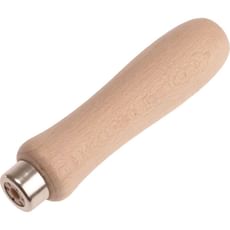
Ergonomic Handle Design: Fitted handles provide comfortable grip and control, reducing hand fatigue during repetitive filing operations. Securely attached handles prevent dangerous slippage and improve work accuracy.
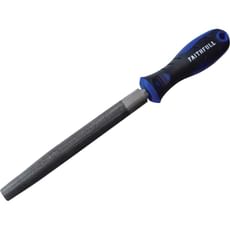
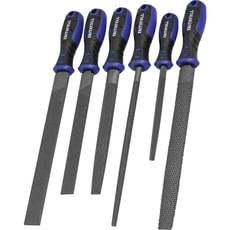
Diverse Profile Selection: From flat and hand files to half-round, round, square, and triangular profiles, Tooled-Up stocks Faithfull files in shapes suited to every application. Specialist profiles include needle files for precision work and chainsaw files in various diameters.
Consistent Tooth Patterns: Precision manufacturing ensures even tooth spacing and depth across the file surface, delivering predictable cutting action and preventing gouging or uneven material removal.
Double-Cut and Single-Cut Options: Double-cut files feature intersecting tooth patterns for aggressive stock removal, whilst single-cut files provide smoother finishes and better control on softer materials.
Popular Faithfull Files
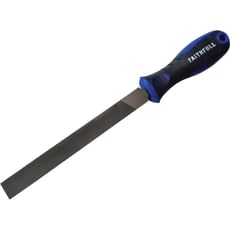
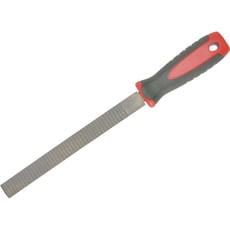
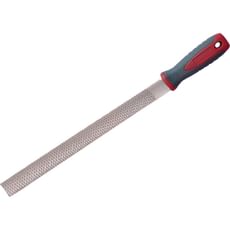
Engineer's Files: The backbone of any metalworking toolkit, Faithfull's engineer's files come in various lengths and cuts. Flat files handle general surface work, whilst hand files with their safe edge allow filing into corners without damaging adjacent surfaces.
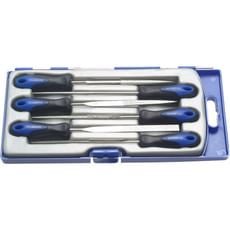
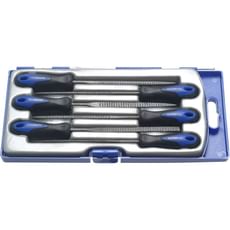
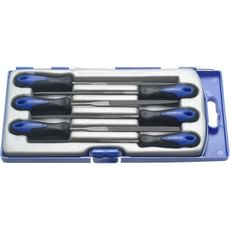
Needle File Sets: Essential for precision work, these fine files come in multiple profiles for detailed shaping, finishing, and accessing tight spaces. Popular with jewellers, model makers, and anyone requiring delicate material removal.
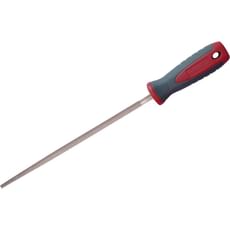
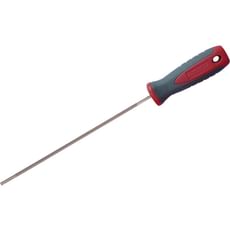
Chainsaw Sharpening Files: Available in multiple diameters to suit different chain pitches, these round files maintain the cutting edge on chainsaw teeth. Faithfull also offers combination file guides and raker depth gauges for complete chain maintenance.
Wood Files and Rasps: Designed specifically for timber, these tools feature coarser teeth optimised for wood fibres rather than metal. Cabinet rasps and wood files shape and smooth timber efficiently without clogging.
Auger Bit Files: Specialist files designed for sharpening auger bits and drill points, featuring tapered profiles that access the cutting edges and flutes of boring tools.
Safety and Compliance
Whilst files are relatively simple hand tools, proper use is essential for both personal safety and optimal results. Always ensure files are fitted with secure handles before use—never use a tang file without proper handle fitting, as the sharp tang can cause serious hand injuries. When filing, use smooth, forward strokes with moderate pressure; files cut on the forward stroke only, and excessive pressure or backward dragging reduces effectiveness and can damage teeth.
Wear appropriate personal protective equipment including safety glasses to protect against metal filings, and consider gloves when handling sharp-edged workpieces. Ensure workpieces are properly secured in a vice or clamp before filing—never attempt to file hand-held objects. Keep files clean and free from oil or grease, as this causes clogging and reduces cutting efficiency. Use a file card or wire brush to remove debris from between teeth.
Store files separately or with protective sleeves to prevent tooth damage from contact with other tools. Filing creates sharp edges and burrs on workpieces—always deburr finished work and handle with care. In professional environments, ensure compliance with HSE guidelines for manual handling and workspace organisation to prevent accidents and repetitive strain injuries.
Frequently Asked Questions
What's the difference between bastard, second cut, and smooth files?
These terms refer to the coarseness of the file teeth. Bastard cut is the coarsest, ideal for rapid material removal and rough shaping. Second cut offers medium coarseness for general-purpose filing and achieving reasonable surface finishes. Smooth cut provides the finest teeth for finishing work and achieving smooth surfaces. Choose based on how much material you need to remove and the finish quality required.
How long should a Faithfull file last?
With proper use and care, a quality Faithfull file should provide years of service in a professional environment. Lifespan depends on usage frequency, materials being filed, and maintenance practices. Filing very hard materials or applying excessive pressure shortens file life. Regular cleaning and proper storage significantly extend working life. When teeth become noticeably worn or the file stops cutting efficiently, it's time for replacement.
Can I use the same file for wood and metal?
Whilst technically possible, it's not recommended. Wood files and rasps feature tooth patterns optimised for timber fibres, whilst metal files are designed for harder materials. Using a metal file on wood often causes clogging, whilst using a wood rasp on metal is ineffective and may damage the tool. For best results and tool longevity, use files appropriate to your material.
What diameter chainsaw file do I need?
Chainsaw file diameter must match your chain's pitch and tooth profile. Common sizes include 4.0mm, 4.8mm, and 5.5mm. Check your chainsaw manual or the markings on your chain to determine the correct file size. Using an incorrectly sized file won't sharpen effectively and may damage your chain. Faithfull offers files in all standard sizes to suit different chainsaw specifications.
Why does my file seem to slip across the metal without cutting?
This typically indicates either a worn-out file with dulled teeth, or you're attempting to file hardened steel that's harder than the file itself. Files won't cut materials harder than their own hardness rating. Additionally, excessive pressure, incorrect filing angle, or a clogged file can reduce cutting effectiveness. Try cleaning the file with a file card, using moderate pressure with forward strokes only, and ensure you're working with fileable materials.