

Faithfull Mallets
 Loading...
End of content
Error - No more pages to load
Faithfull Mallets at Tooled-Up.com
Faithfull has established itself as a trusted name in hand tools, and their mallet range exemplifies the brand's commitment to producing reliable, hard-wearing tools for professional tradespeople and serious DIY enthusiasts. With decades of experience in the tool industry, Faithfull understands the demands placed on striking tools across various trades and applications. Their mallets are engineered to deliver controlled striking force whilst minimising damage to work surfaces, making them indispensable for carpentry, joinery, assembly work, and countless other applications where a traditional hammer would be too aggressive.
The Faithfull mallet collection available from Tooled-Up encompasses a diverse selection of head materials and handle configurations to suit different tasks. From traditional wooden mallets with beech or ash heads to modern rubber and polyurethane variants, each design serves specific purposes across the trades. Whether you're working with chisels, driving wooden joints together, or assembling delicate frameworks, Faithfull offers purpose-built solutions that balance striking power with surface protection.
Faithfull's reputation for value without compromising on quality makes their mallets particularly popular among tradespeople who need dependable tools that won't break the bank. Each mallet in the range undergoes rigorous quality control to ensure it meets the exacting standards that professionals demand day in, day out on site.
Why Choose Faithfull Mallets?
Faithfull mallets stand out in a crowded marketplace through their combination of traditional craftsmanship and modern material science. The brand has built its reputation on delivering tools that perform reliably across demanding professional environments, and their mallet range is no exception. Each product is designed with user comfort and longevity in mind, featuring ergonomically shaped handles that reduce fatigue during extended use.
The quality of materials used in Faithfull mallets sets them apart from budget alternatives. Wooden mallets feature carefully selected hardwoods with straight grain patterns for maximum durability, whilst synthetic-headed models utilise high-grade polymers that resist splitting, chipping, and degradation over time. The heads are securely fixed to handles using proven joinery techniques or modern bonding methods that ensure they won't work loose during use.
Faithfull's commitment to offering professional-grade tools at competitive price points has made them a go-to choice for tradespeople establishing their toolkit and experienced professionals alike. The brand understands that a mallet is often subject to heavy use and occasional misuse on busy sites, so they engineer their products to withstand the rigours of daily professional application whilst remaining affordable enough to replace when necessary.
Who Uses Faithfull Mallets?
- Carpenters and Joiners: For assembling joints, striking chisels, and general woodworking applications where controlled force is essential
- Cabinet Makers: Requiring precision striking tools that won't damage delicate timber or finished surfaces
- Furniture Restorers: Needing soft-faced mallets for dismantling and reassembling antique pieces without causing damage
- Upholsterers: Using mallets for tacking and assembly work where metal hammers would be unsuitable
- Stone Masons: Employing specialist mallets alongside chisels for detailed stonework
- Mechanics and Fitters: Utilising rubber and soft-faced mallets for assembly work and panel beating where surface protection is paramount
- General Builders: Keeping various mallet types in their toolkit for diverse applications across different trades
- DIY Enthusiasts: Investing in quality tools for home workshop projects and renovations
Key Features of Faithfull Mallets
Faithfull mallets incorporate several distinctive features that enhance their performance and durability. The handles are typically crafted from straight-grained hardwoods such as ash or hickory, selected for their natural shock-absorbing properties and resistance to splitting. These handles are shaped to provide comfortable grip and optimal balance, reducing user fatigue during repetitive striking tasks.
Head materials are chosen specifically for their intended applications. Traditional wooden heads, usually manufactured from beech, offer excellent weight distribution and a satisfying striking feel that experienced tradespeople appreciate. Rubber and polyurethane heads provide superior surface protection and reduced bounce-back, making them ideal for delicate assembly work or situations where metal contact would cause damage.
The head-to-handle joints in Faithfull mallets represent a critical quality feature. Wooden mallets typically employ wedged through-tang construction, where the handle extends through the head and is secured with hardwood wedges, creating a virtually unbreakable bond. Synthetic-headed models use advanced adhesives or mechanical fixing methods that ensure the head remains firmly attached throughout the tool's working life.
Weight distribution is carefully calibrated across the Faithfull range, with various head sizes available to suit different applications. From lightweight mallets for precision work to heavier models for driving large joints or striking cold chisels, Tooled-Up stocks options that deliver the right amount of force for every task.
Popular Faithfull Mallets
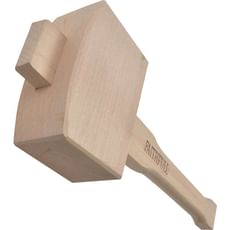
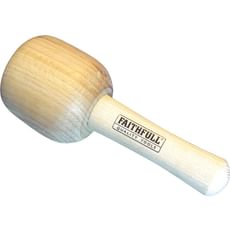
The Faithfull wooden mallet range remains perennially popular among traditionalists and woodworkers who appreciate the classic design and natural materials. These mallets feature solid beech heads paired with ash handles, offering excellent durability and the authentic feel that many craftspeople prefer. Available in various head weights from lightweight precision models to heavy-duty striking tools, they cater to diverse applications.
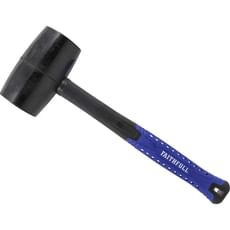
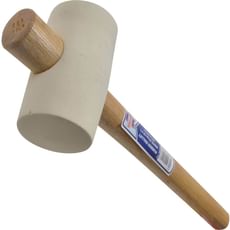
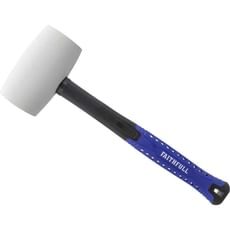
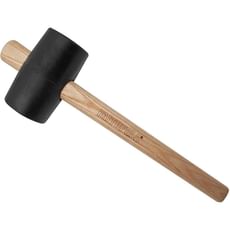
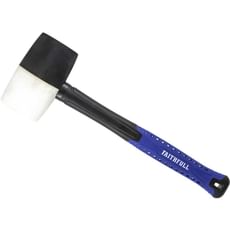
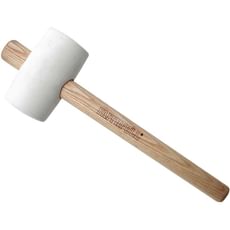
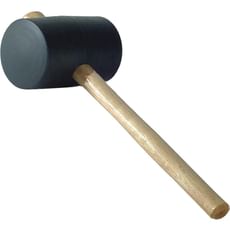
Faithfull rubber mallets have become essential tools across multiple trades, particularly valued by mechanics, fitters, and anyone working with pre-finished surfaces. The non-marking rubber heads protect delicate materials whilst providing substantial striking force, and the range includes both white rubber for maximum surface protection and black rubber for general-purpose use.
Dead blow mallets from Faithfull represent modern striking tool technology, featuring hollow heads filled with steel shot or sand. This design delivers maximum energy transfer with minimal bounce-back, making them ideal for assembly work, panel beating, and applications requiring controlled, powerful strikes without damaging the work piece or causing user fatigue.
Nylon and polyurethane-faced mallets in the Faithfull collection offer the perfect middle ground between traditional wooden mallets and softer rubber alternatives. These tools provide firm striking capability whilst protecting both the work piece and the striking tool itself, making them popular choices for engineering applications and precision assembly work.
Safety and Compliance
Whilst mallets are relatively straightforward hand tools, proper use and maintenance are essential for safety and longevity. Faithfull mallets should be inspected regularly for signs of damage, particularly checking that heads remain securely attached to handles and that striking faces show no dangerous splitting or degradation. Loose heads present a serious safety hazard and should be repaired or the tool replaced immediately.
When using any mallet, appropriate personal protective equipment should be worn, including safety glasses to protect against flying debris and steel toe-capped boots on professional sites. The work piece should always be properly secured before striking, and users should ensure adequate clearance around the working area to prevent accidental contact with other people or objects.
Wooden mallets require occasional maintenance to preserve their performance. The handles should be kept clean and dry, and can be treated with linseed oil to prevent moisture absorption and splitting. If a wooden head becomes damaged or begins to mushroom at the striking face, it can often be carefully trimmed back and reshaped to extend the tool's serviceable life.
The Health and Safety Executive (HSE) provides guidance on the selection and use of hand tools in professional environments. Employers should ensure that tradespeople have access to appropriate striking tools for their specific tasks and that these tools are maintained in safe working condition. Using the correct mallet type for each application reduces the risk of injury and damage whilst improving work quality and efficiency.
Frequently Asked Questions
What's the difference between a mallet and a hammer?
Mallets feature larger striking heads made from softer materials such as wood, rubber, or polyurethane, designed to deliver force whilst protecting the work surface. Hammers have smaller, harder metal heads intended for driving nails and striking metal objects. Mallets are essential when working with chisels, assembling joints, or striking any surface where a metal hammer would cause damage.
Which Faithfull mallet should I choose for woodworking?
For traditional joinery and chisel work, a Faithfull wooden mallet with a beech head provides authentic feel and excellent control. For assembly work or situations where you need to protect finished surfaces, consider a rubber or polyurethane-faced mallet. Many woodworkers keep multiple mallet types in their workshop to suit different applications.
How do I maintain my Faithfull wooden mallet?
Keep wooden mallets clean and dry when not in use, storing them in a dry environment away from temperature extremes. Occasionally treat the handle with linseed oil to prevent moisture absorption. Check regularly that the head remains firmly attached to the handle, and re-wedge if necessary. If the striking face becomes damaged or mushroomed, carefully trim it back with a saw and sand smooth.
Are Faithfull mallets suitable for professional use?
Absolutely. Faithfull mallets are designed to withstand the demands of daily professional use across various trades. The brand's combination of quality materials, proven construction methods, and competitive pricing makes them popular choices among tradespeople who need reliable tools that deliver value for money without compromising on performance.
What size mallet do I need?
Mallet size depends on your specific application. Lighter mallets (around 340-450g) suit precision work, chisel striking, and delicate assembly tasks. Medium weights (450-680g) offer versatility for general carpentry and joinery. Heavier mallets (680g and above) are appropriate for driving large joints, striking cold chisels, or heavy assembly work. Tooled-Up stocks various sizes across the Faithfull range to suit every requirement.