

Faithfull Marking Gauges
 Loading...
End of content
Error - No more pages to load
Faithfull Marking Gauges at Tooled-Up.com
Faithfull has earned a distinguished reputation among woodworkers and joiners for producing precision marking and measuring tools that combine traditional craftsmanship with modern manufacturing standards. Their marking gauges represent decades of experience in understanding what professional tradespeople and dedicated hobbyists need from their hand tools. Built to exacting standards, Faithfull marking gauges deliver the accuracy and reliability essential for quality joinery work, whether you're cutting mortise and tenon joints, setting out dovetails, or scribing parallel lines for precise woodworking projects.
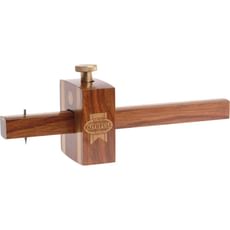
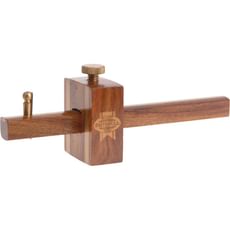
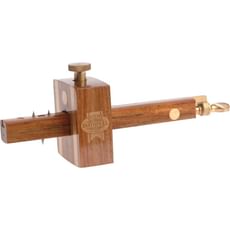
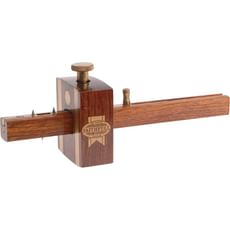
The Faithfull marking gauge range at Tooled-Up encompasses both traditional wooden models and modern variants, each designed to provide consistent, accurate marking performance. These tools feature hardened steel pins or cutting blades that maintain their sharpness through extended use, combined with precisely machined brass fittings that ensure smooth, controlled adjustment. The attention to detail in every Faithfull marking gauge reflects the brand's commitment to supporting craftspeople who demand professional-grade tools without compromise.
Why Choose Faithfull Marking Gauges?
Faithfull's reputation in the hand tool market stems from their unwavering focus on practical functionality and lasting durability. Their marking gauges are manufactured using carefully selected hardwoods such as beech and rosewood, chosen specifically for dimensional stability and resistance to warping over time. The brass wear strips and adjustment mechanisms found on Faithfull gauges are engineered to maintain accuracy even after years of workshop use, making these tools a genuine investment rather than a disposable purchase.
The brand's commitment to value doesn't mean compromising on quality. Faithfull marking gauges undergo rigorous quality control processes to ensure each tool meets strict tolerances before reaching the customer. The pins and cutters are precisely ground and hardened to maintain their edge, whilst the wooden stocks are finished to resist moisture absorption that could affect accuracy. This combination of traditional materials and modern manufacturing oversight has made Faithfull a trusted name among joiners, cabinet makers, and furniture craftspeople throughout the UK.
Who Uses Faithfull Marking Gauges?
Faithfull marking gauges are trusted by a diverse range of woodworking professionals and enthusiasts, including:
- Professional joiners and cabinet makers requiring precision layout tools
- Furniture makers and restoration specialists working on bespoke pieces
- Carpenters performing traditional timber framing and joinery
- Shopfitters and architectural woodworkers on commercial projects
- Woodworking instructors teaching traditional hand tool techniques
- Serious DIY enthusiasts and hobbyists pursuing fine woodworking
- Historic building restoration specialists maintaining period authenticity
- Luthiers and musical instrument makers requiring exacting accuracy
Key Features of Faithfull Marking Gauges
Faithfull marking gauges incorporate several distinctive features that enhance their performance and longevity. The hardwood stocks are typically manufactured from stable, close-grained timbers that resist dimensional changes in varying workshop conditions. Brass wear strips on contact surfaces prevent the inevitable wear that occurs with regular use, ensuring the gauge maintains its accuracy throughout its working life. The thumbscrew mechanisms provide positive, secure locking that won't slip during use, whilst still allowing quick adjustments when needed.
The marking pins themselves are precision-ground from hardened steel, maintaining a sharp point that scores clean, visible lines without tearing wood fibres. Many Faithfull models feature carefully shaped wooden fences that sit flat and stable against reference edges, with generous dimensions that prevent rocking on uneven surfaces. The overall design philosophy emphasises ergonomics and practical workshop use, with comfortable proportions that allow extended use without fatigue. The lacquered or oiled finishes applied to Faithfull marking gauges protect the wood whilst maintaining the natural feel that experienced craftspeople prefer.
Popular Faithfull Marking Gauges
Tooled-Up stocks various Faithfull marking gauge styles to suit different woodworking applications. Traditional single-pin marking gauges remain the most versatile option, ideal for scribing parallel lines and setting out basic joinery. Mortise gauges with dual pins allow accurate marking of mortise widths and tenon shoulders in a single operation, essential for efficient joint cutting. Cutting gauges, featuring a blade rather than a pin, excel at scoring across grain and cutting thin veneers or laminates cleanly.
Panel gauges with extended stems accommodate wider stock, proving invaluable when working with large boards or sheet materials. Combination gauges offer the versatility of both marking and mortise functions in one tool, appealing to woodworkers with limited tool storage or those seeking maximum utility from their kit investment.
Safety and Compliance
Whilst marking gauges are relatively simple hand tools, proper handling ensures both personal safety and optimal results. The sharp pins and cutters should always be retracted or protected when not in use, preventing accidental injury during storage or transport. When using Faithfull marking gauges, always work away from your body and keep fingers clear of the marking path. Ensure the workpiece is properly secured to prevent movement that could cause the gauge to slip.
Regular maintenance extends tool life and maintains accuracy – periodically check that thumbscrews operate smoothly and that brass fittings remain secure. The marking pins should be kept sharp; a dull pin tears fibres rather than cleanly scribing them, producing inferior results. Store marking gauges in a dry environment to prevent wood movement or corrosion of metal components, and apply occasional light oil to brass parts to maintain smooth operation.
Frequently Asked Questions
What's the difference between a marking gauge and a cutting gauge?
A marking gauge uses a pointed pin to score lines parallel to an edge, working best along the grain. A cutting gauge features a blade instead, allowing it to sever fibres cleanly when working across grain or cutting thin materials. Faithfull produces both types for different applications.
How do I maintain the accuracy of my Faithfull marking gauge?
Keep the fence face flat and free from damage, ensure the thumbscrew locks securely without stripping, and maintain a sharp point on the pin or blade. Store in stable conditions to prevent wood movement, and periodically check that brass wear strips remain secure and level.
Can Faithfull marking gauges be used on hardwoods?
Absolutely. Faithfull marking gauges feature hardened steel pins designed specifically to score even dense hardwoods cleanly. The key is maintaining a sharp point – a properly maintained pin will mark oak, maple, or tropical hardwoods as effectively as softwoods.
Are wooden marking gauges better than metal alternatives?
Wooden gauges like those from Faithfull offer excellent stability, comfortable handling, and traditional feel that many craftspeople prefer. The wood construction provides sufficient weight for control whilst remaining light enough for extended use. Quality wooden gauges with brass fittings are highly durable when properly maintained.
What size marking gauge do I need for general woodworking?
A standard Faithfull marking gauge with approximately 150-200mm stem length suits most general joinery and furniture making. For wider stock, consider a panel gauge with extended reach. Many woodworkers find that owning both a marking gauge and a mortise gauge covers the majority of workshop requirements.