

Faithfull Smoothing Planes
 Loading...
End of content
Error - No more pages to load
Faithfull Smoothing Planes at Tooled-Up.com
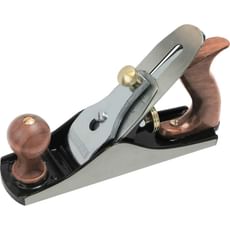
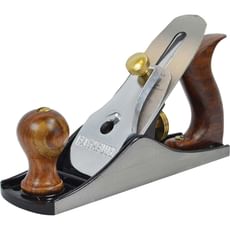
Faithfull has earned a distinguished reputation in the hand tool market, and their smoothing planes exemplify the brand's commitment to delivering traditional craftsmanship with modern manufacturing consistency. These essential woodworking tools are designed for achieving perfectly flat, smooth surfaces on timber, making them indispensable for fine finishing work. The Faithfull smoothing plane range combines tried-and-tested designs with quality materials, offering both professional tradespeople and dedicated DIY woodworkers reliable performance at accessible price points.
Smoothing planes are the shorter, more compact members of the bench plane family, typically measuring between 225mm and 250mm in length. This compact size makes them ideal for final surface preparation, removing planer marks, and achieving glass-smooth finishes on timber. Tooled-Up.com stocks Faithfull's carefully engineered smoothing planes, which feature precision-ground cast iron bodies for stability and flat soles that ensure consistent contact with the workpiece throughout the planing stroke.
The Faithfull smoothing plane selection available from Tooled-Up features models suitable for various skill levels and applications, from traditional No. 4 pattern planes for general smoothing work to premium variants with enhanced blade retention and adjustment mechanisms. Each plane is supplied with a sharpened, heat-treated carbon steel blade that holds an edge well and can be easily resharpened when required.
Why Choose Faithfull Smoothing Planes?
Faithfull has built its reputation on delivering honest value without compromising on essential quality features. Their smoothing planes represent this philosophy perfectly, offering cast iron construction where it matters most—in the body and frog—ensuring the mass and rigidity needed for effective planing. Unlike cheaper alternatives with pressed steel bodies, Faithfull's cast iron construction provides the weight and stability that dampens vibration and helps the plane glide smoothly across timber surfaces.
The brand's attention to machining quality sets these planes apart in their price category. Faithfull ensures that sole surfaces are ground flat to close tolerances, reducing the setup work required before first use. The blade adjustment mechanisms are manufactured to minimise backlash, allowing for precise depth-of-cut settings that remain stable during use. For woodworkers who appreciate traditional tool design but require reliability and consistency, Faithfull smoothing planes strike an excellent balance between heritage patterns and dependable modern manufacturing.
Faithfull's commitment to affordability doesn't mean disposable tools—these planes are designed to be maintained, adjusted, and kept in service for years. Replacement blades and spare parts are readily available, supporting the sustainable practice of tool maintenance rather than replacement. This approach appeals to both budget-conscious beginners building their first tool kit and experienced craftspeople seeking backup tools or site work planes they're less concerned about marking.
Who Uses Faithfull Smoothing Planes?
- Furniture Makers: For final surface preparation before finishing, removing milling marks and achieving hand-planed surfaces
- Joiners and Bench Joiners: For fitting work, fine-tuning joints, and finishing visible timber surfaces
- Carpenters: For on-site trimming and smoothing of timber components, door fitting, and detail work
- Cabinet Makers: For preparing drawer components, fitting doors, and achieving seamless joints
- Restoration Specialists: For sympathetically working historic timbers using traditional methods
- Woodworking Enthusiasts: DIY practitioners learning traditional hand tool techniques and building foundational skills
- Education Providers: Colleges and training centres teaching traditional woodworking methods where reliable, cost-effective tools are essential
- Set Builders and Prop Makers: For quick timber preparation and finishing in theatrical and film production workshops
Key Features of Faithfull Smoothing Planes
Cast Iron Construction: The body and frog are manufactured from cast iron, providing the necessary mass for stable planing and effective chatter reduction. This traditional material choice ensures the plane sits firmly on the workpiece and resists the tendency to bounce or skip that lighter materials exhibit.
Precision-Ground Sole: Faithfull machines the sole surface to ensure flatness across the length and width of the plane. A flat sole is fundamental to producing flat timber surfaces, as any deviation transfers directly to the workpiece. This attention to the sole preparation reduces the fettling work users need to perform.
Quality Blade Steel: Smoothing planes are supplied with heat-treated carbon steel blades that can be honed to a sharp edge capable of producing fine shavings. The blade width typically matches traditional No. 4 specifications at approximately 50mm, providing good coverage for efficient work.
Reliable Adjustment Mechanisms: The depth adjustment wheel and lateral adjustment lever allow for controlled blade positioning. Faithfull's manufacturing tolerances ensure these mechanisms operate smoothly with minimal play, allowing repeatable settings that hold during use.
Comfortable Handles: Ergonomically shaped front knob and rear tote (handle) are positioned to encourage proper planing technique. The handles are typically manufactured from stained hardwood and securely fixed to the body.
Standard Pattern Design: Following established bench plane geometry means that techniques, sharpening practices, and tuning knowledge transfer directly from traditional woodworking practice. Users familiar with Bailey-pattern planes will find no surprises in the Faithfull design.
Popular Faithfull Smoothing Planes
No. 4 Pattern Smoothing Plane: The most popular and versatile smoothing plane size, measuring approximately 245mm long with a 50mm wide blade. This size represents the sweet spot for general smoothing work, offering enough mass for stability whilst remaining manoeuvrable for working smaller components. Suitable for the majority of smoothing tasks in furniture making and joinery.
No. 4-1/2 Pattern Smoothing Plane: A slightly larger and heavier variant, providing increased mass for working difficult or figured grain. The additional width (typically 60mm blade) covers more surface area per stroke, making it efficient for larger panels whilst the extra weight helps cut through reversing grain with less tearout.
Standard and Premium Variants: Faithfull offers smoothing planes at different specification levels, with premium models featuring additional refinements such as improved blade quality, enhanced finish standards, and tighter manufacturing tolerances. These variations allow users to select the appropriate quality level for their specific requirements and budget.
Safety and Compliance
Whilst smoothing planes are manual, non-powered tools, safe operation remains essential. The blade must be kept sharp—counterintuitively, a sharp blade is safer as it requires less force and is less likely to slip or catch unexpectedly. Always plane with the workpiece securely clamped or held in a vice, never attempt to plane hand-held timber. Keep fingers well clear of the sole and blade area during use.
When adjusting or changing blades, exercise caution as freshly sharpened edges can cause serious cuts. Store planes with the blade retracted or laid on their side to protect both the blade edge and users' hands. When not in use, consider retracting the blade slightly to prevent accidental contact.
Maintain awareness of grain direction and knots, which can cause the plane to deflect unexpectedly. Wear appropriate eye protection, as although smoothing planes produce fine shavings rather than dust, splinters can occasionally be ejected. Ensure adequate workshop lighting to clearly see the workpiece surface and grain direction. For educational settings, proper instruction in hand tool techniques should precede independent use.
Frequently Asked Questions
Do Faithfull smoothing planes come sharpened and ready to use?
Faithfull smoothing planes are supplied with sharpened blades, though many woodworkers prefer to hone the blade to their own standards before first use. The plane may also benefit from minor fettling—checking sole flatness and ensuring the frog seats properly—to optimise performance. This initial setup is standard practice with most bench planes regardless of manufacturer.
What's the difference between a smoothing plane and a jack plane?
Smoothing planes are shorter (typically 225-250mm) and designed specifically for fine finishing work, producing thin shavings to achieve smooth surfaces. Jack planes are longer (approximately 355-380mm), making them better suited for initial stock preparation, flattening, and straightening operations. The smoothing plane is traditionally the final plane used in the sequence of surface preparation.
Can Faithfull smoothing plane blades be resharpened?
Absolutely. The carbon steel blades supplied with Faithfull smoothing planes are designed to be resharpened multiple times throughout their service life. Using traditional sharpening stones, honing guides, or modern sharpening systems, the blade can be restored to a keen edge. Regular honing maintains performance, whilst occasional regrinding addresses wear or damage. Replacement blades are also available when the original eventually wears down.
Are these planes suitable for hardwoods as well as softwoods?
Yes, Faithfull smoothing planes are capable of working both hardwoods and softwoods when properly set up and maintained. Hardwoods may require a finer blade projection and a sharper edge to achieve clean cuts without tearout, particularly in species with difficult or interlocking grain. The cast iron construction provides sufficient mass to handle denser timbers effectively.
How do I prevent the plane from leaving tracks or ridges on the timber?
Tracks or ridges typically result from either a blade edge that isn't square to the sole (corrected using the lateral adjustment lever) or corners of the blade that aren't slightly eased. Most experienced users apply a tiny chamfer to the blade corners to prevent them digging in. Ensuring the sole is flat, the blade is sharp, and you're using consistent pressure throughout the stroke also contributes to track-free surfaces.